





A Global Hub for Mission Operations
The International Conference on Spacecraft Mission Operations, or SMOPS, is a major gathering for the people who fly satellites. The recent 2026 edition, held in Bengaluru, brought together experts from global space agencies like ISRO, NASA, and ESA,
alongside industry leaders and researchers. The theme focused on innovative and smart management of space missions. While topics ranged from interplanetary exploration to cybersecurity, a central thread was the increasing need for automation and artificial intelligence in managing spacecraft. This isn't about replacing human controllers but empowering them to handle the growing complexity of space operations.
Why Autonomy Is No Longer Optional
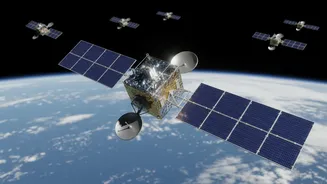
For decades, managing a satellite was a hands-on job. Ground crews would constantly monitor a spacecraft's health and send commands for every action. That model is becoming unsustainable. The sheer number of satellites, especially with the rise of massive constellations from companies like SpaceX, makes micromanagement impossible. A single operator can't manually schedule communication passes for a hundred satellites at once. Furthermore, communication delays (latency) are a significant problem, especially for deep-space missions where a signal can take minutes or hours to travel each way. If a critical failure occurs, waiting for instructions from Earth could mean losing the mission. Automation solves these issues by moving the decision-making loop from the ground into orbit, giving the spacecraft the ability to act on its own within predefined limits.
From Grand Plans to Orbital Chores
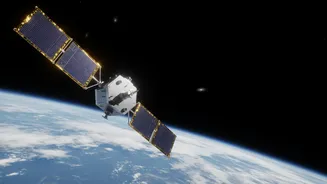
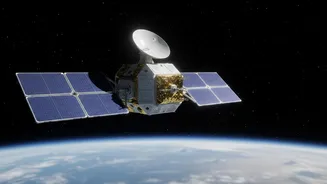
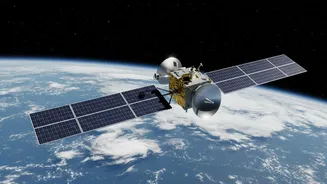
The 'practical side' of automation lies in handling the mundane, repetitive tasks that keep a satellite functioning. Instead of a human operator executing a checklist, onboard AI can manage these routine decisions. These 'chores' include tasks like orienting solar panels to capture maximum sunlight for power, managing the satellite's temperature, performing basic system health checks, and making minor adjustments to maintain a stable orbit. By automating these daily workflows, operators reduce the chance of human error and free up valuable time and resources. This allows human experts to focus on the bigger picture: analyzing scientific data, planning complex maneuvers, and responding to unexpected anomalies that require creative problem-solving.
A Smarter, More Resilient Fleet
Beyond efficiency, automation makes spacecraft more robust. An autonomous satellite can monitor its own systems, detect early signs of a component failure, and adjust its operations to prevent the problem from escalating. This could involve rerouting power from a faulty system or entering a 'safe mode' without waiting for a command from Earth. In an increasingly crowded and contested orbital environment, AI can also help with collision avoidance. An AI-powered system can detect a potential collision with another satellite or piece of space debris and execute an evasive maneuver far faster than a human operator ever could. This self-preservation instinct is critical for protecting expensive assets and ensuring the long-term sustainability of space activities.
The Human Role in an Automated Future
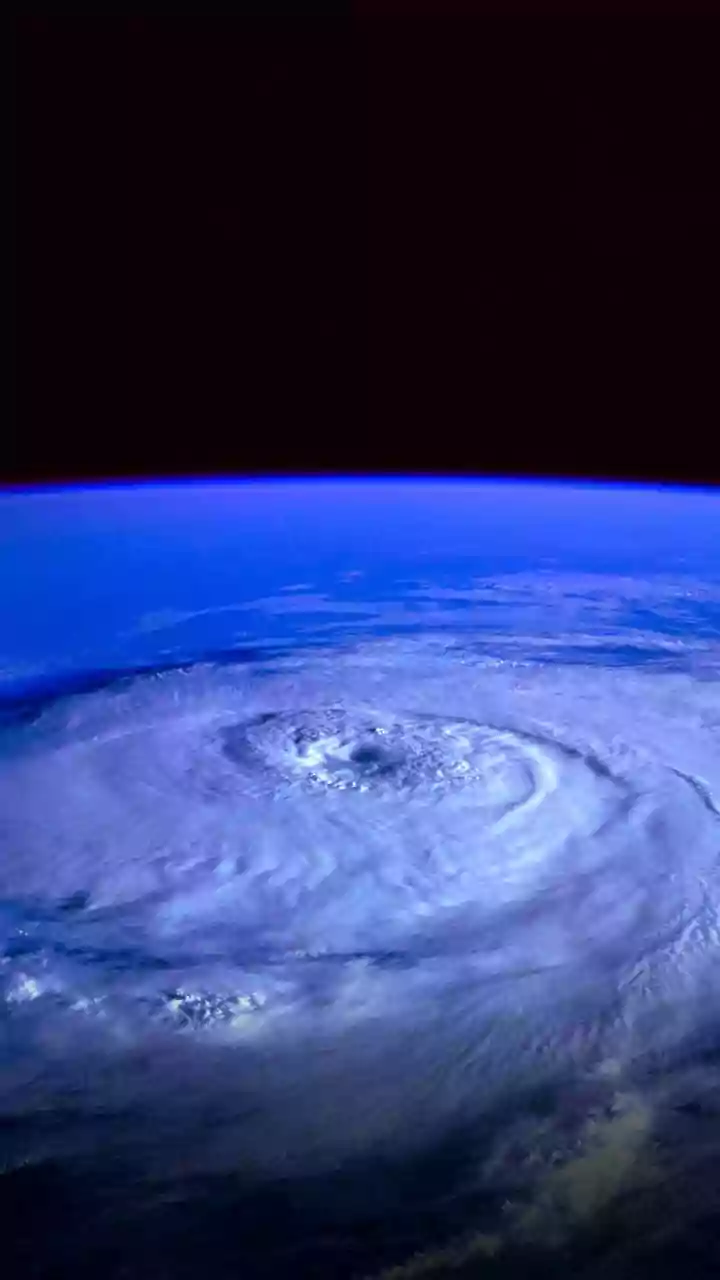
The goal of spacecraft automation isn't to create fully independent robots in space, but to forge a more effective human-machine partnership. Experts emphasize that human operators will shift from being pilots to becoming strategic overseers. They will set the boundaries and goals, but let the AI handle the minute-to-minute execution. This frees up mission controllers to manage larger and more complex fleets of satellites or to focus on high-value scientific outcomes. For example, an autonomous system on an Earth-observation satellite could be programmed to identify and capture images of fleeting events like floods or wildfires on its own, without waiting for a new set of commands to be uploaded from the ground. This transition ultimately makes space missions more efficient, resilient, and capable of greater scientific discovery.