





The Black Sea: A Global Trade Superhighway
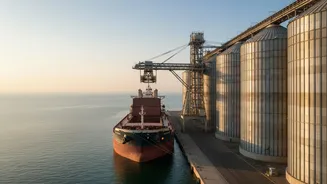
The Black Sea is far more than just a body of water; it's a vital economic artery connecting major producers like Russia and Ukraine with markets across Europe, Asia, and the Middle East. Historically, this route has been indispensable for the global
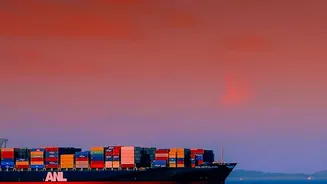
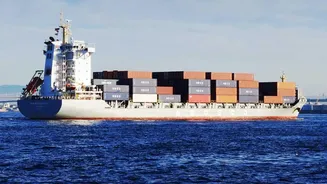
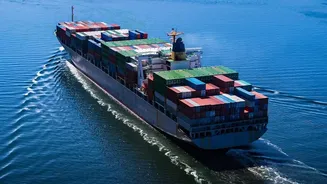
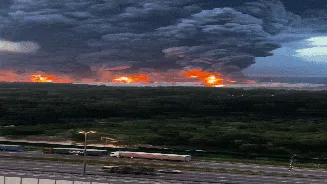
trade of several key commodities. Before the conflict escalated, sea routes handled about 90% of Ukraine's agricultural exports. Any disruption, from direct attacks on vessels to soaring insurance costs, creates a bottleneck that sends immediate shockwaves through global supply chains. Recent escalations have seen intensified attacks on ports and commercial vessels from both sides, dramatically increasing the risk and cost of shipping. War-risk insurance premiums for voyages have doubled, adding hundreds of thousands of dollars to the cost of a single trip, while some shipping companies have suspended new cargo bookings altogether.
Which Commodities Are Most at Risk?
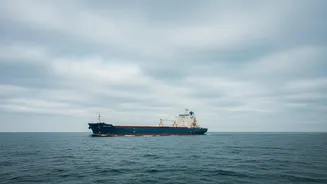
The Black Sea region is a powerhouse for agricultural and energy products. The primary commodities at risk are wheat, corn, sunflower oil, crude oil, and fertilizers. Russia is the world's largest wheat exporter, and Ukraine is also a massive supplier of grain and accounts for a significant share of global sunflower oil exports. Any halt in these shipments tightens global food supplies almost instantly. Furthermore, the region is a key source of nitrogen-based fertilizers like urea. Disruptions to fertilizer exports drive up the cost of farming worldwide, which eventually translates into higher food prices on supermarket shelves. The impact on crude oil is also significant, with Black Sea ports handling a substantial portion of Russian oil exports, some of which are bound for India.
The Ripple Effect on India
India is directly and indirectly exposed to the volatility in the Black Sea. The most immediate impact is on the nation's edible oil supply. With sunflower oil shipments from the Black Sea region delayed or cancelled, Indian refiners are being forced to find alternatives. This has led to a surge in demand for soybean oil, with India's soyoil imports for August expected to hit a record high. This shift is happening as refiners stock up for the upcoming festival season, putting upward pressure on domestic edible oil prices. Beyond cooking oil, disruptions also affect energy security. While the majority of India's crude from Russia comes from Baltic ports, Black Sea ports still supply a notable portion, and recent data shows loadings from the region to India have fallen sharply. This forces India to seek more expensive alternatives, potentially impacting fuel prices.
From Market Panic to Your Wallet
The mechanism by which distant conflict affects local prices involves several steps. First, the physical disruption and associated risks increase costs for shippers. Daily charter rates for tankers and insurance costs have skyrocketed. This immediately makes every shipment more expensive. Second, uncertainty drives market speculation. Traders, fearing future shortages, bid up the prices of commodity futures, which sets a new, higher benchmark for physical goods. Wheat prices, for example, have already risen significantly on the back of renewed tensions. Third, importers like those in India must pay these higher global prices. This increased cost is passed down the supply chain from the importer to the refiner or processor, then to the wholesaler, the retailer, and finally, to the consumer at their local kirana store. This chain reaction can happen quickly, often within weeks, turning a geopolitical event into a tangible increase in the cost of living.
What Can Be Done?
For importers and governments, the primary response is diversification. As seen with the switch to soyoil, buyers are actively seeking alternative sources to mitigate supply risks. However, this often comes at a higher price, as demand shifts to a smaller pool of reliable suppliers. Diplomatically, nations like Turkey are attempting to broker new agreements to ensure the safety of commercial shipping, potentially creating safe corridors for vessels. For countries like Ukraine, the focus is on developing alternative export routes via land, though these cannot fully replace the massive capacity of maritime ports. For India, managing the economic fallout involves monitoring inflation, securing new supply contracts, and potentially using fiscal measures to cushion consumers from the sharpest price hikes. But as long as the conflict persists, the threat of supply shocks will remain a constant pressure point for the global and Indian economy.