





A Nation of Adventurers
The data, published in Agoda's 2027 Asia Travel Pulse report, paints a clear picture: Indian travellers are the most adventurous in Asia. According to the survey, a remarkable 55% of Indians are likely to visit a lesser-known destination in the coming
year. This figure is significantly higher than the Asian average of just 36%, suggesting a powerful and growing desire to move beyond the conventional. This isn't just about avoiding queues; it's about actively seeking out unique experiences, from spiritual journeys to rugged outdoor activities. The findings indicate a fundamental shift from destination-ticking to experience-gathering.
What's Driving the Change?
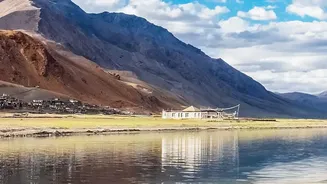
Several factors are fuelling this 'inward wanderlust'. For many, it's a reaction to the over-commercialisation of traditional hotspots. The search is on for authenticity, for stories that haven't been told a million times on social media. Outdoor adventure is a major motivator, with 42% of Indian travellers identifying it as a key reason for their trip, placing India among the highest in Asia for adventure-led travel. There's also a significant spiritual component. A notable 14% of Indians cite spiritual or religious journeys as a primary travel motivation, a figure that is three and a half times the Asian average. This quest for meaning is reflected in search data, with destinations like Pushkar, Dharamshala, and Leh seeing massive spikes in interest.
The Rise of Hidden Gems
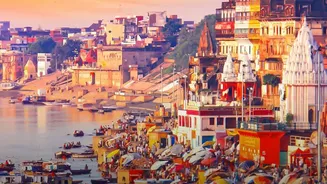
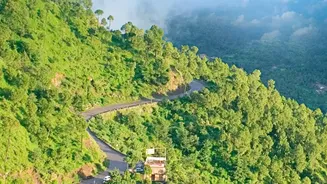
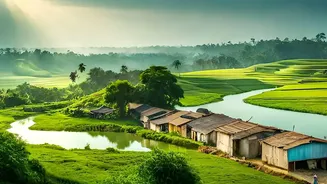
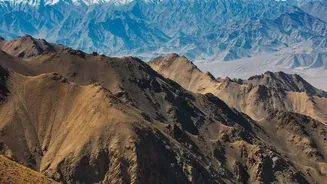
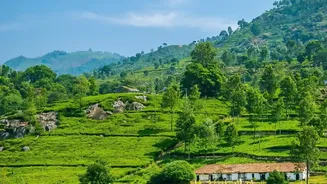
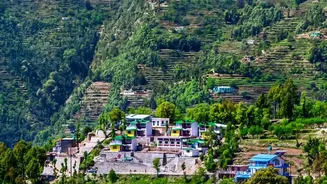
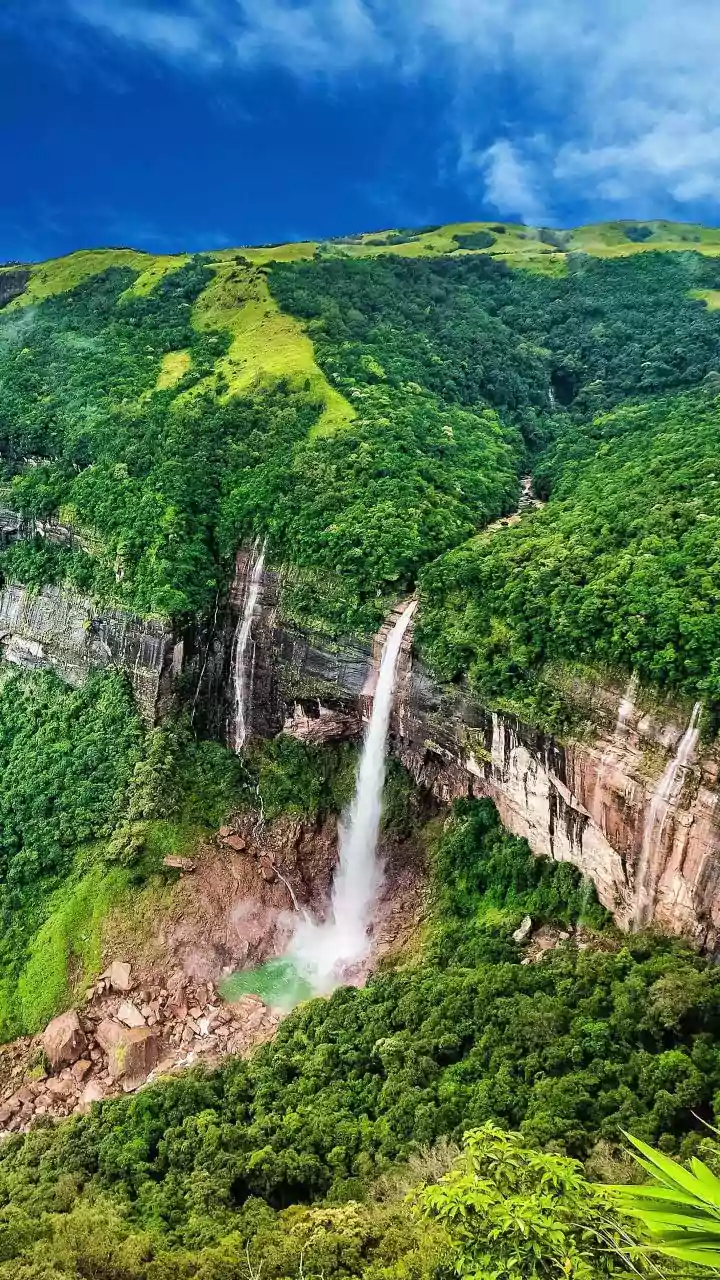
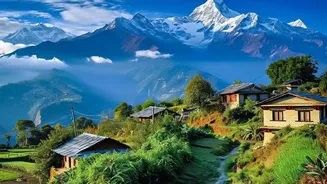
So, where are these adventurous travellers going? Instead of just Shimla, they might explore the tranquil valleys of Jibhi or Shoja. Rather than the crowded beaches of Goa, they are discovering quieter coastlines in places like Gokarna or Rayong in Thailand. The trend points towards places that offer space and a deeper connection to local life. Domestically, destinations like the Ziro Valley in Arunachal Pradesh, the Dzukou Valley in Nagaland, and Gurez Valley in Kashmir are gaining traction for their untouched beauty and unique cultural experiences. It's a move away from the five-star checklist and towards immersive stays that offer a real sense of place.
Longer Stays, Deeper Exploration
This shift in mindset is also changing the duration of holidays. The quick weekend getaway is being complemented by a desire for longer, more meaningful trips. The Agoda survey found that 26% of Indian travellers plan for their trips to last between eight and 12 days, which is considerably higher than the Asian average of 15%. This preference for longer stays allows for a slower pace of travel, enabling tourists to move beyond the main attractions and explore a region's hidden corners, interact with local communities, and gain a richer, more nuanced understanding of their destination.
Is This the End for Famous Spots?
Not at all. Popular destinations will always have their appeal, and places like the Taj Mahal or the backwaters of Kerala will continue to draw crowds. However, the trend suggests that travellers are becoming more discerning. They may use a popular city as a gateway, but then venture further into lesser-known regions. The 'anti-tourist' isn't necessarily against tourism; they are against the feeling of being just one of the crowd. They seek a more personal connection, a travel experience that feels uniquely theirs. This challenges the industry to innovate, developing infrastructure in tier-2 and tier-3 cities and offering more than just the standard tour package.