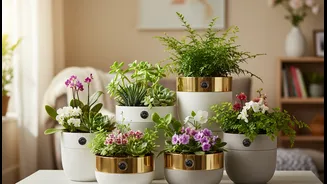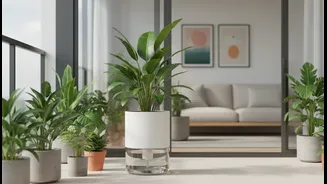



Step 1: Know Your Light and Space
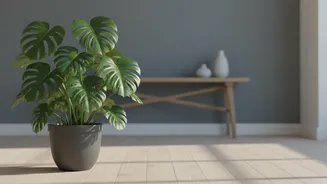
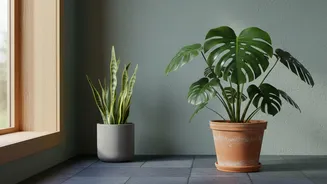
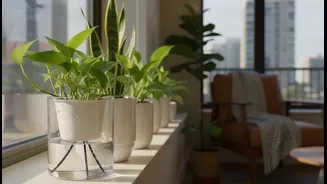
Before you even think of visiting a nursery, take a moment to assess your home. The single most important factor for a plant's survival is light. Observe your windows throughout the day. A south-facing window gets strong, direct light, perfect for sun-loving
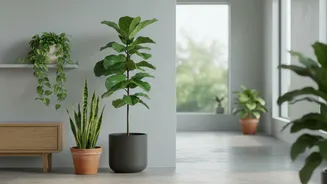
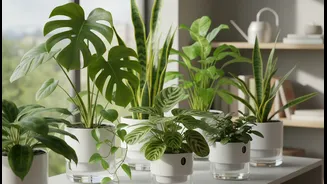
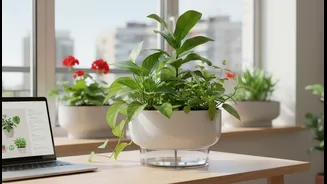
plants like succulents. East-facing windows offer gentle morning sun, ideal for a wide variety of tropical plants like ferns and calatheas. West-facing windows get intense afternoon sun, while north-facing windows provide low, indirect light suitable for hardy plants like the snake plant or ZZ plant. Once you know your light, measure the space you have in mind. Note down the dimensions and consider if you want a tall floor plant, a bushy plant for a tabletop, or a trailing one for a high shelf. This simple act prevents you from bringing home a giant Areca Palm for a tiny corner.
Step 2: Match Your Lifestyle
Be honest about the time and energy you can commit. If you travel frequently or are a self-proclaimed “plant killer,” look for forgiving options. Snake plants, ZZ plants, and money plants (Pothos) are famously resilient and can tolerate some neglect. Another critical consideration, especially in homes with curious children or pets, is toxicity. Many common houseplants, like the beautiful peace lily and popular snake plant, can be toxic if ingested. Do a quick search for pet-safe plants. Thankfully, there are many beautiful, non-toxic options available in India, such as the Areca Palm, Spider Plant, and Boston Fern, ensuring your green addition doesn't pose a risk to your furry friends.
Step 3: The At-the-Nursery Inspection
With your homework done, it’s time to shop. But don’t just grab the first plant you see. A thorough inspection is crucial. First, look at the leaves. They should be vibrant and firm, not yellow, brown-spotted, or wilted. Check the undersides of leaves and where they meet the stem for any signs of pests, which can look like tiny webs, white fuzzy spots, or dark specks. Don't bring an infestation home. Next, check the soil; it shouldn't be bone-dry or completely waterlogged, both of which indicate poor care. Finally, if you can, gently slide the plant out of its plastic pot. Healthy roots are typically firm and white or light-coloured, not dark, mushy, or circling tightly at the bottom, which means the plant is root-bound and stressed.
Step 4: Think About the Whole Package
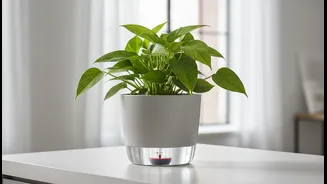
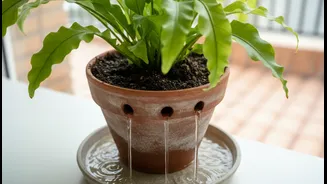
A plant is more than just the plant itself. As you make your selection, consider its future home. Does the pot it's in have drainage holes? This is non-negotiable for most houseplants, as waterlogged soil leads to root rot. If it's in a flimsy nursery pot, you'll need to purchase a decorative pot with drainage to move it into. Also, ask the nursery staff if the plant will need a specific type of soil mix. While many all-purpose potting mixes work well, some plants, like succulents and orchids, have very different needs. Factoring in the cost of a good pot and the right soil will give you a more realistic budget and set your new plant up for long-term success from day one.