





The Royal Standard: Biryani
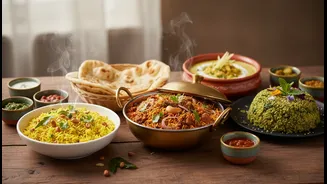
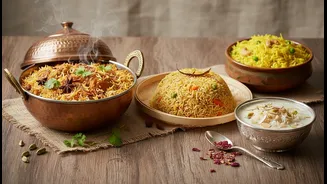
No conversation about Basmati can begin without paying homage to Biryani. This iconic dish, with roots in Persian cuisine, is a layered masterpiece of fragrant rice, marinated meat or vegetables, and a symphony of spices like saffron and cardamom. The
magic lies in the 'dum pukht' method, where the pot is sealed and cooked on low heat, allowing the long grains of Basmati to absorb all the complex flavours while remaining perfectly separate and fluffy. Its preparation is a labour of love, reserved for weddings, festivals, and grand family feasts, cementing Basmati’s reputation as a grain for special occasions. Every spoonful is a taste of history and celebration combined.
The Versatile Cousin: Pulao
A close relative of biryani, the pulao (or pilaf) offers a more approachable, one-pot alternative that doesn't compromise on flavour. Unlike the layered complexity of biryani, a pulao involves sautéing whole spices and aromatics in ghee or oil, toasting the rice, and then cooking everything together with vegetables, paneer, or meat. The result is a fragrant, flavourful dish where each grain of Basmati is infused with goodness. From a simple vegetable pulao for a weeknight dinner to a richer yakhni pulao from Kashmiri cuisine, this dish showcases Basmati's ability to be both a centrepiece and a comforting staple.
The Sweet Surprise: Rice Kheer
Proving its versatility extends beyond savoury meals, Basmati rice is the star of one of India's most beloved desserts: kheer. This creamy pudding is made by slowly simmering rice in milk until it thickens, sweetened with sugar, and delicately flavoured with cardamom, saffron, and rose water. The choice of rice is crucial; the natural fragrance of Basmati adds an aromatic depth that other grains can't match. Garnished with slivered almonds and pistachios, rice kheer is the ultimate comfort food, served warm or chilled at festivals and family gatherings, showcasing a softer, sweeter side of the grain.
The Daily Essential: Steamed Basmati
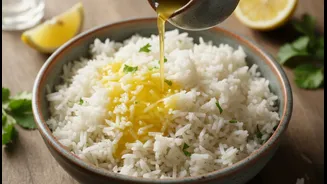
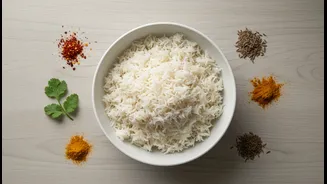
Moving away from elaborate preparations, the simplest form of Basmati is often its most profound. A bowl of perfectly steamed, fluffy white rice is the backbone of countless Indian meals. When cooked correctly—rinsed well to remove excess starch and then simmered until each long grain is separate and tender—its subtle, nutty flavour shines through. This is Basmati in its purest form, the perfect canvas for a flavourful dal, a spicy curry, or a simple sabzi. It’s a daily luxury that reminds us that elegance doesn't always require complexity. In many households, this is the most common way Basmati is enjoyed, highlighting its role as a high-quality staple.
The Modern Classic: Lemon Rice
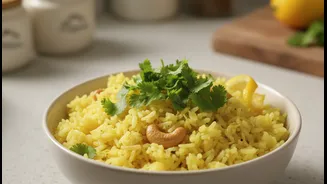
At the lightest end of the spectrum is the vibrant and zesty Lemon Rice. A South Indian favourite, this dish is quick, refreshing, and packed with flavour. Cooked Basmati rice is tossed in a tempering of mustard seeds, curry leaves, turmeric, and peanuts, then finished with a generous squeeze of fresh lemon juice. The result is a beautiful yellow-hued rice that is tangy, crunchy, and utterly delicious. It's a perfect lunchbox meal or a quick weeknight dinner, demonstrating how Basmati can be adapted for fast-paced, modern lifestyles without losing its charm. It represents a shift from viewing Basmati as purely festive to embracing it as an everyday grain for bright, simple meals.