





First, A Refresher on Colour-Blocking
Before we dive into the innovation, let's quickly revisit colour-blocking itself. A darling of fashion runways and graphic design, colour-blocking in home decor involves using two or more solid blocks of contrasting or complementary colours to create
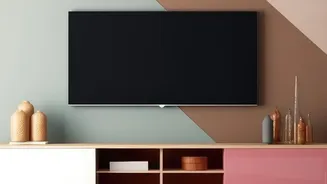
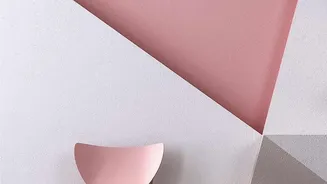
a bold, art-like statement on a wall. Think of it as painting with shapes—a dramatic arch behind a headboard, a sharp rectangle to anchor a living room sofa, or a series of vibrant squares climbing up a staircase. It’s a powerful tool for defining a space and injecting personality. The traditional method involves painter's tape and several cans of paint, a process that feels very permanent and can be intimidating, especially for renters or those who love to frequently change their interiors.
The Removable Panel Revolution
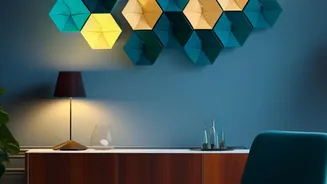
Enter the game-changer: removable and modular panels. Instead of applying colour directly to the wall, this approach involves mounting lightweight, pre-coloured or custom-painted panels. These can be anything from canvas tiles, wooden boards, acoustic felt panels, or even 3D gypsum modules. They attach to the wall using damage-free methods like strong adhesive strips, velcro mounting systems, or magnetic hardware. The result is a stunning, colour-blocked feature wall that looks built-in but can be reconfigured, moved, or taken down in minutes without leaving a trace. It’s a shift from static decoration to dynamic, interactive design.
The Freedom of Ultimate Flexibility
The primary appeal of this modular approach is the freedom it offers. For renters, it’s a dream come true, allowing for dramatic wall transformations without violating a lease agreement. But the benefits extend to homeowners as well. Are you someone whose tastes evolve? You can swap out a single panel to introduce a new accent colour, or rearrange the entire composition for a fresh look. It allows for seasonal decorating—imagine swapping warm, earthy tones in winter for bright, fresh pastels in summer. This system grows with you; a playful arrangement in a child's room can be reorganised into a more sophisticated pattern as they get older. You are no longer locked into a single design choice, empowering you to become the editor of your own space.
Getting the Look: DIY vs. Buying
There are two main paths to achieving this dynamic look. The first is to purchase ready-made modular art systems. Online marketplaces like Etsy and specialised decor shops offer a wide variety of options, from sets of geometric wooden panels to upholstered tiles and modern 3D sculptures. These systems are designed for easy installation and often come with all the necessary mounting hardware. The second route is the DIY path. This can be as simple as purchasing several blank canvas frames from an art supply store, painting them in your chosen palette, and hanging them in a tight grid using damage-free picture hangers. For a more textured look, you can buy lightweight wood or MDF panels from a hardware store, wrap them in colourful fabrics like velvet or linen, and staple the material to the back before mounting. This approach offers maximum customisation, letting you control the exact size, colour, and texture of your installation.
Styling Your Dynamic Wall Art
How you arrange your panels is where the creativity truly shines. A classic grid of uniform squares creates a clean, modern, and organised feel. For a more playful and energetic vibe, try an asymmetrical or scattered layout with panels of different sizes and orientations. You can also create visual dialogues within a room by placing a few panels in one area and a corresponding cluster in another, visually connecting the spaces. Don’t be afraid to mix and match; combine solid colour panels with a few that feature subtle patterns or textures. The key is to think of the wall as a canvas that you can constantly edit. You can test out arrangements on the floor before committing them to the wall, ensuring you get the perfect composition every time.