


What the UN Report Reveals
The latest 'State of Food Security and Nutrition in the World 2026' report, a joint effort by five UN agencies, highlights a critical global issue: the affordability of a healthy diet. The findings show that while global hunger has seen a slight decline,
a staggering number of people still cannot afford a nutritionally adequate diet. For India, the report presents a mixed picture. While the country has made significant strides in reducing undernourishment, a large portion of the population—over 520 million people as of 2025—finds a consistently healthy diet economically out of reach. The cost to eat healthily in India was estimated at about $4.11 per person per day in 2025 (in purchasing power parity terms). This data underscores that the challenge for many is not just getting enough calories, but affording the diverse range of foods like fruits, vegetables, and proteins that are essential for good health.
The Myth of the 'Superfood'
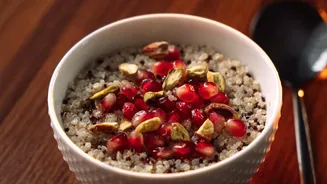
The multi-crore superfood industry can feel like a distraction. The term 'superfood' itself is not a scientific classification but a powerful marketing label. It's used to promote foods, often exotic and expensive, as having extraordinary health benefits. While foods like quinoa, chia seeds, and kale are certainly nutritious, they are not magical cures, and their benefits are often overstated. Dietitians point out that no single food can provide all the nutrients we need; a healthy eating pattern is what matters. Adding a sprinkle of a pricey powder to an otherwise poor diet is far less effective than building meals around a variety of whole foods. The focus on expensive imports overlooks the fact that many of their nutritional benefits can be found in more affordable, local alternatives.
India's Everyday Nutritional Powerhouses
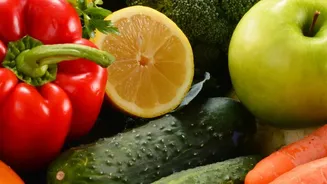
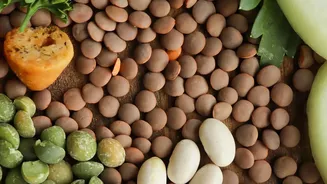
The good news is that Indian kitchens are already stocked with some of the most nutrient-dense foods available. Our traditional diet, rich in variety and flavour, is full of 'superfoods' that don't come with a hefty price tag. Millets like ragi, jowar, and bajra, for instance, are packed with fibre and minerals, often outperforming quinoa in nutritional value. Lentils (dals) of all kinds are an excellent and affordable source of protein and iron. Seasonal green leafy vegetables like palak (spinach) and methi (fenugreek) are loaded with vitamins at a fraction of the cost of kale. Everyday items like bananas, amla (Indian gooseberry), peanuts, and curd (dahi) provide a powerhouse of energy, vitamins, healthy fats, and probiotics. These foods are not only suited to our bodies and climate but are also deeply woven into our culinary heritage.
Making a Healthy Diet Affordable and Practical
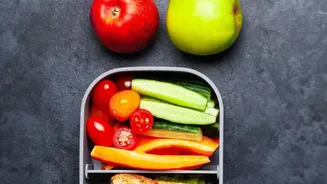
Embracing a truly healthy diet is less about buying expensive products and more about making conscious choices. The UN report's findings empower us to look past marketing hype and focus on what's accessible and effective. The first step is to prioritise local and seasonal produce; fruits and vegetables are always cheaper and fresher when they are in season. Building your meals around foundational staples like dal, roti (made from whole grains like wheat, jowar, or bajra), and sabzi is a time-tested strategy for balanced nutrition. Cooking at home gives you complete control over ingredients, helping you avoid the hidden sugars, salts, and unhealthy fats in processed foods. By focusing on these simple, sustainable habits, you can create a diet that is both nourishing for your body and gentle on your wallet.