





The Sweet Taste of Diplomacy
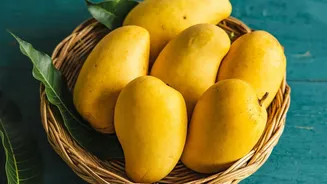
The arrival of Indian mangoes in the United States marks the culmination of years of diplomatic and agricultural negotiations. Often used as a tool of soft diplomacy by India, the mango is more than just a fruit; it's a cultural ambassador. This new agreement
doesn't just represent a victory for trade but also a significant moment for the Indian diaspora, for whom varieties like Alphonso and Kesar are steeped in nostalgia. The recent deal streamlines a process that has been stop-and-start for nearly two decades, promising a more consistent and robust supply of the prized fruit to a market that has been largely reliant on Latin American varieties. The value of this trade is already significant, with exports to the US growing 130% in one recent fiscal year alone.
Why the Doors Were Closed for So Long
The primary reason for the long-standing restrictions, which included an outright ban from 1989 to 2007, was phytosanitary concerns. The U.S. Department of Agriculture (USDA) was wary of non-native pests, particularly fruit flies and seed weevils, that could potentially hitch a ride on the mangoes and devastate American crops. This wasn't a simple case of protectionism; an infestation could cause billions of dollars in damage to domestic agriculture. Overcoming this hurdle required a solution that was scientifically sound, commercially viable, and acceptable to the stringent regulatory bodies of both nations. The path to reopening the market was thus not a simple negotiation, but a complex scientific and logistical challenge that took years to solve.
The Science of the Solution
The carefully negotiated compromise hinges on a specific scientific process: irradiation. Before being shipped, every US-bound Indian mango must pass through a USDA-approved facility in India where it is exposed to a low dose of ionizing radiation, typically from Cobalt-60. This process, at a minimum dose of 400 Gray, sterilizes any potential pests, rendering them unable to reproduce without affecting the fruit's taste, texture, or safety. This procedure is part of a comprehensive 'pre-clearance' program, where USDA inspectors, working alongside their Indian counterparts, oversee the entire process before the mangoes even leave India. This ensures that by the time the fruit lands in the US, it has already met the necessary safety standards, allowing for smoother entry. Each box is then required to be labeled with the international Radura symbol, indicating it has undergone this process.
A Boon for Farmers and Foodies
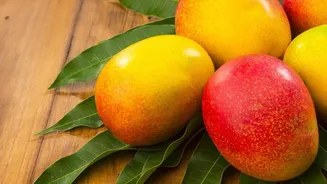
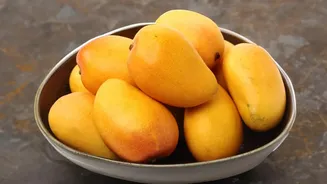
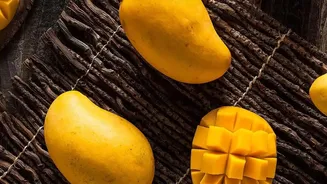
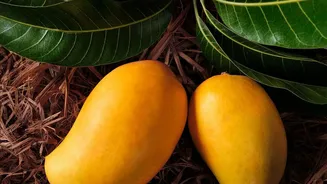
This agreement is a significant economic opportunity for thousands of Indian farmers, particularly in the mango belts of Maharashtra, Gujarat, and Uttar Pradesh. The US represents a massive, premium market where Indian varieties command a much higher price per fruit compared to the more common varieties. Early figures show the US absorbing a major share of the export value for premium varieties like the GI-tagged Alphonso. For American consumers, it means access to a wider variety of high-quality, flavorful mangoes beyond the typical supermarket offerings. This includes famous types like Alphonso, Kesar, Banganapalli, and Dasheri, each with a unique taste profile long celebrated in India but largely unknown in the West.
Challenges on the Horizon
While the deal is a breakthrough, logistical hurdles remain. The highly perishable nature of varieties like the Alphonso means they must be transported exclusively by air freight, a costly and complex undertaking. Furthermore, the entire supply chain, from farm to irradiation facility to airport, must adhere to exacting standards. Any lapse in documentation or procedure can lead to costly rejections at US ports, as has happened in the past. Indian exporters must consistently meet these high standards to build a reliable presence in the competitive American market, which is currently dominated by Mexico and Peru. Maintaining quality and navigating the strict regulatory framework will be key to scaling up and sustaining this fruitful trade relationship.