




Gauging the Shortfall
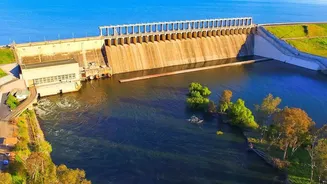
According to the latest data from the Central Water Commission (CWC), the live storage in 178 of India's major reservoirs stood at approximately 70% of their total capacity as of late September 2026. This figure is alarmingly below the 79% recorded during
the same period last year and also falls short of the ten-year average of 76.62%. The total available water is about 132.734 billion cubic metres (BCM), significantly less than the 166.856 BCM available at the end of the 2025 monsoon season. This sharp decline signals a weaker water position as the country enters the dry season, creating challenges for millions.
An Erratic Monsoon's Toll
The primary cause for this precarious situation is a deficient and unevenly distributed southwest monsoon in 2026. Overall, the country recorded a rainfall deficit of around 12% below the long-period average. The monsoon, which provides over 70% of India's annual rainfall, is the lifeline for replenishing these vast water bodies. This year, however, its performance was erratic. Some regions experienced prolonged dry spells, while others saw intense bursts of rain that did little to improve overall storage. The strengthening El Niño phenomenon has been cited as a key factor influencing these disruptive weather patterns.
A Tale of Two Indias
The impact of the weak monsoon is not uniform across the country. The southern peninsula is the worst-affected region, with reservoirs holding only about 50% of their total capacity—a drastic drop from 87.25% last year. This region, encompassing states like Karnataka, Tamil Nadu, Andhra Pradesh, Telangana, and Kerala, faced a rainfall deficit of about 23-24%. The northern region, including Punjab, Rajasthan, and Himachal Pradesh, has also seen a significant decline, with storage plummeting to 62% from 92.3% in 2025. In contrast, the western and central regions are in a relatively better position, though still below last year's levels.
Ripple Effects on Farms and Homes
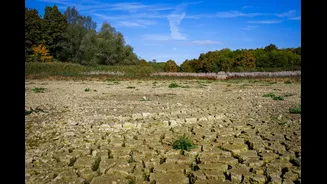
Lower reservoir levels have direct and severe consequences. The immediate concern is for the upcoming Rabi or winter cropping season. Farmers depend heavily on reservoir water for irrigating key crops like wheat, rice, and pulses. With depleted soil moisture and less water available in canals, agricultural output could be impacted, potentially stoking food inflation. In response, the government has already lowered its food grain production target for 2026-27 and is advising states to prepare 'water budgets' and encourage the cultivation of less water-intensive crops. Beyond agriculture, the shortfall threatens hydropower generation and could lead to drinking water scarcity in urban and rural areas, with drought-like conditions already being declared in parts of Maharashtra and Karnataka.