




A Modern Problem, an Ancient Solution
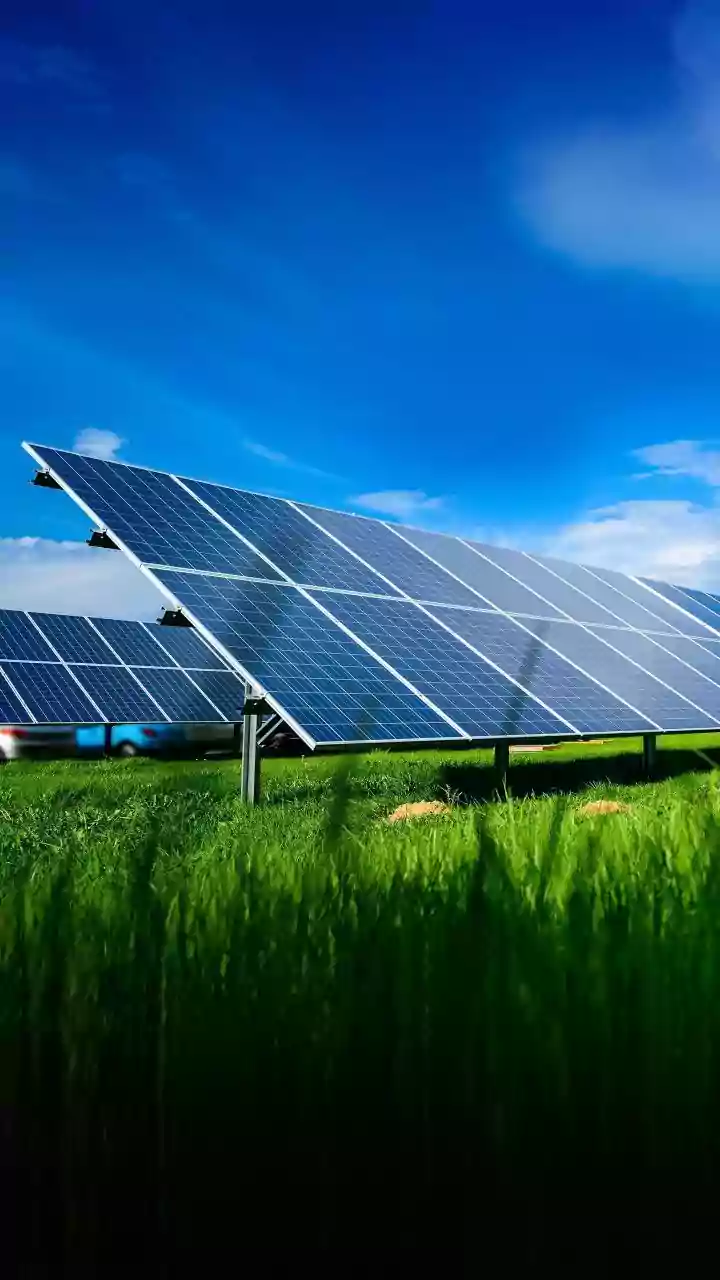
Sprawling solar farms present a unique landscaping challenge. The grass and vegetation growing beneath thousands of panels must be kept short to prevent them from casting shadows, which reduces energy output, and to lower the risk of fire and pest infestations.
Traditional methods like petrol-powered lawnmowers are not ideal; they produce emissions, pose a risk of kicking up rocks that could damage the panels, and struggle to reach the awkward spaces around support posts and electrical equipment. It’s a constant, costly, and labor-intensive maintenance issue that requires an innovative solution. For Volkswagen and its solar partner, Silicon Ranch, the best way forward was to look back to one of the world's oldest methods of land management.
Meet the Four-Legged Landscaping Crew
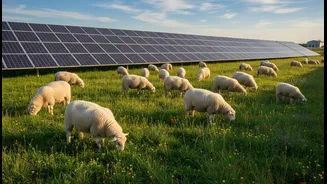
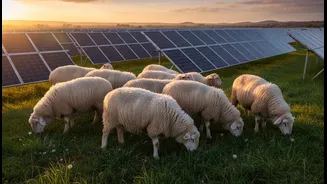
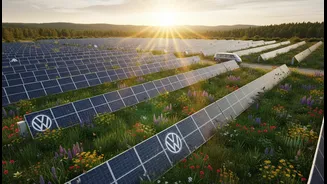
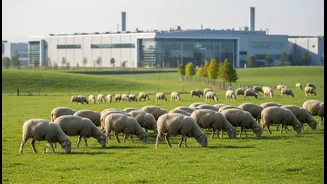
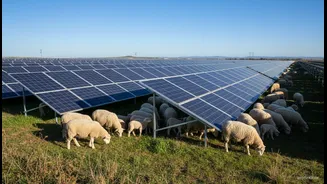
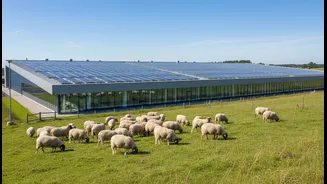
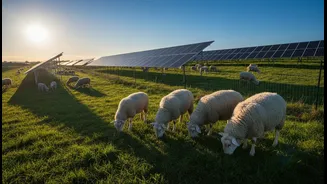
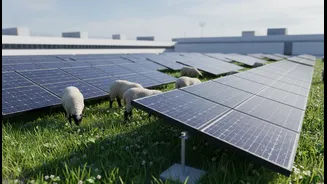
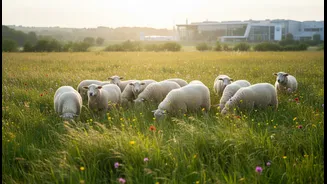
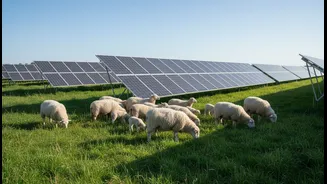
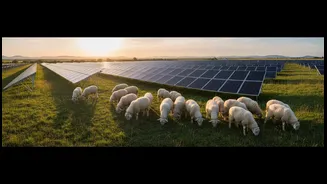
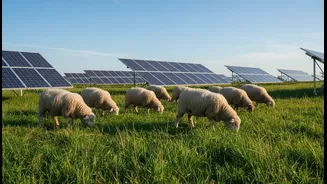
Enter the flock. At the 33-acre solar park adjacent to VW's Tennessee plant, a herd of around 50 sheep handles all the landscaping duties. The number in the headline can fluctuate, but the principle remains the same. The site, which features over 33,000 solar modules, generates up to 12.5% of the factory's electricity during full production. Sheep have proven to be the perfect employees for this particular job. They are short enough to move comfortably under the panel arrays, and unlike their goat cousins, they aren't prone to jumping on equipment or chewing through vital cables. Their grazing keeps the grass neatly trimmed, and they can easily get to hard-to-reach spots that would require manual strimmers for a human crew. To ensure their safety from local predators, the flock is even protected by rescue donkeys, including one named Burrito, who patrol the solar farm.
More Than Just a Cost-Cutter
While using sheep is a cost-effective alternative to mechanical mowing, the benefits extend far beyond the bottom line. This practice, known as solar grazing, is a key component of a larger agricultural and energy trend called agrivoltaics, which involves using land for both solar power generation and farming. The sheep provide natural fertilization for the soil with their manure, improving soil health and promoting the growth of more robust grasses. This 'regenerative management' approach helps prevent soil erosion, a major concern for the stability of solar installations. By replacing fossil-fuel-powered mowers, the initiative further reduces the carbon footprint of what is already a green energy project. The solar panels also benefit the sheep, providing them with ample shade and shelter from the summer heat, which reduces stress and their need for water.
A Growing Trend in Green Energy
Volkswagen is not alone in discovering the power of solar grazing. The practice is becoming an industry standard across the United States and beyond, with an estimated 80,000 sheep now grazing on solar farms across America. Silicon Ranch, the company that manages the VW solar park, uses this regenerative approach on thousands of acres nationwide. The success at the Chattanooga plant, which was the first auto manufacturing facility in the world to receive a LEED Platinum certification, serves as a powerful case study. It demonstrates how industrial-scale renewable energy projects can be integrated with ecological stewardship. By combining high-tech energy production with low-tech, nature-based solutions, companies are creating a model that is not only more sustainable but also builds better relationships with the local agricultural communities where these projects are located.