







What Exactly Does TRAI Want?
The telecom regulator wants to be designated as an 'authorised agency' under the Information Technology (IT) Act. Currently, TRAI's authority is primarily over licensed telecom operators like Jio and Airtel. Apps such as Truecaller, Hiya, and Whoscall
operate as internet intermediaries, placing them under the jurisdiction of the Ministry of Electronics and Information Technology (MeitY) and the IT Act, not TRAI. This distinction means TRAI cannot directly enforce its rules on these app platforms. By gaining authority under the IT Act, specifically its provisions on intermediary liability, TRAI would be able to issue formal notices and mandate compliance from these apps when it believes its regulations are being violated. The request is reportedly supported by MeitY, suggesting a cross-government alignment on the issue.
The Problem of Mistaken Identity
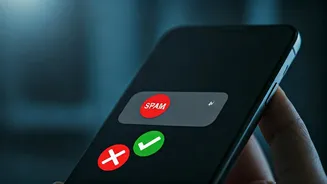
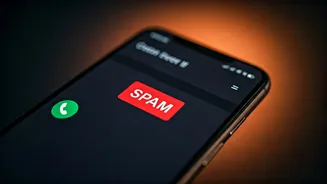
At the heart of this issue is the alleged mislabeling of legitimate calls as spam. TRAI argues that calls from official number series—specifically the 140 series for commercial promotions and the 1600 series for transactional services like bank alerts—are being incorrectly tagged and blocked by caller ID apps. This disrupts essential communication between businesses and their customers and can even hamper government outreach programs that use these designated channels. Officials worry that if businesses lose faith in these official numbers, they might revert to using standard 10-digit mobile numbers for communications, which could ironically lead to more confusion and an increase in actual spam for consumers.
Two Systems: Official vs. Crowdsourced
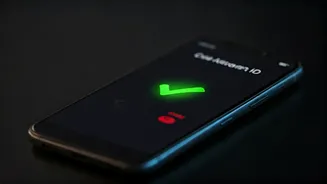
This move is intertwined with TRAI's parallel project: the Calling Name Presentation (CNAP) system. CNAP is a network-level feature designed to display the caller's KYC-verified name (the name on their Aadhaar or other official documents) by default. This differs fundamentally from apps like Truecaller, which rely on crowdsourced data—names saved in users' contact books and community-reported spam tags. While CNAP promises accuracy based on official records, Truecaller provides dynamic, real-time spam detection based on user behaviour and reports. The debate pits the reliability of a government-backed system against the agility and rich features of a community-driven platform.
A Regulatory Tightrope
The industry's reaction has been mixed. Telecom operators have long argued for a level playing field, stating that OTT (over-the-top) communication apps should face the same regulatory scrutiny as traditional voice and SMS services. However, app developers and some industry bodies have voiced concerns about regulatory overreach, arguing they are already governed by the IT Act. For platforms like Truecaller, the proposal raises significant questions. The company has stated it already complies with mandates and avoids blocking the designated 1400 and 1600 series numbers. Being forced to alter their algorithms or share proprietary, user-generated spam data with government registries could fundamentally impact their business model and the user experience they offer.
What This Means for Your Phone
For the average user, this regulatory tug-of-war could bring significant changes. In one scenario, you might see fewer legitimate calls from your bank or delivery services being marked as spam. In another, the spam-blocking features you rely on could become less effective if apps are restricted from flagging certain numbers. The rollout of CNAP could also mean seeing an official, KYC-verified name for every caller, which raises its own set of privacy questions, although TRAI has mandated an opt-out provision. The central question is whether these two systems—the official CNAP and third-party apps—can coexist, and how much control regulators will ultimately exert over the digital gatekeepers on our smartphones. The outcome will shape the future of digital communication and privacy in India.