



Understanding the Fuel in Your Tank
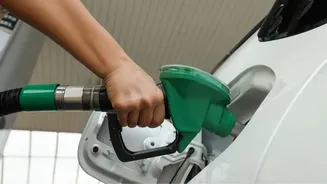
First, let's break down the jargon. E10 petrol is a blend of 10% ethanol and 90% petrol, while the now widely available E20 fuel contains 20% ethanol. The Indian government is championing this shift to ethanol-blended petrol for several key reasons: it
helps reduce the country's massive oil import bill, lowers vehicle emissions, and provides an additional source of income for farmers who grow the crops used to produce ethanol, such as sugarcane and maize. India has aggressively pursued this policy, achieving its 20% blending target in 2025, five years ahead of the original schedule. For most modern, fuel-injected vehicles, this transition is relatively seamless. However, for older bikes, the story is far more complicated.
The Pre-BS-IV Motorcycle Conundrum
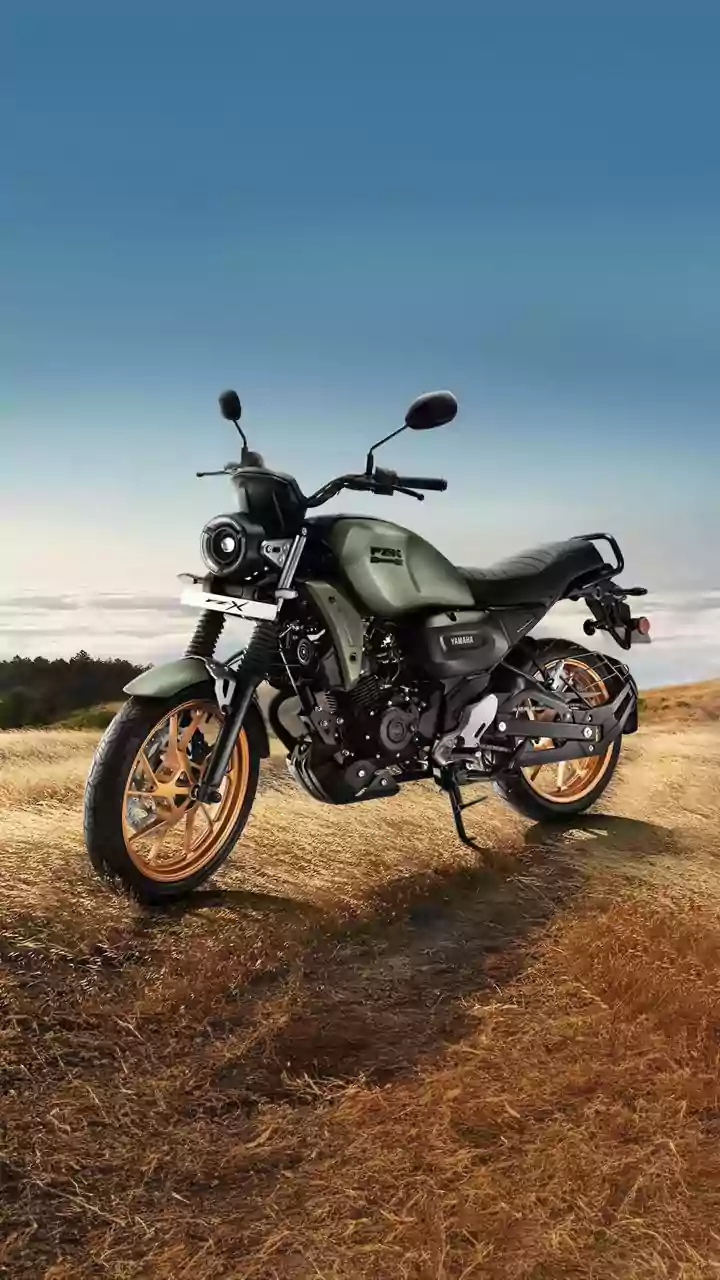
The term 'pre-BS-IV' refers to motorcycles manufactured before the Bharat Stage IV emission norms became mandatory nationwide on April 1, 2017. There are an estimated 75 to 80 million such two-wheelers still active on Indian roads. Many of these older, often carburettor-based machines were engineered in an era of pure or low-ethanol petrol. Their fuel systems, comprising rubber hoses, gaskets, seals, and metal tanks, were not designed to handle high concentrations of ethanol. This has created a significant challenge for their owners, who now find that the standard E20 fuel available at pumps may not be suitable for their vehicles. This is where the idea of a specific transition path comes into focus.
E10 as a Potential Lifeline
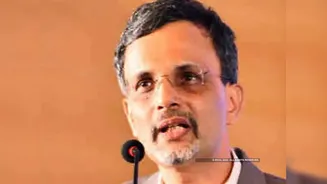
The core of the proposed 'transition path' comes from a recent suggestion by India's Chief Economic Adviser, V. Anantha Nageswaran. In an opinion article dated August 17, 2026, he and a colleague proposed that E10 petrol be made available again as an option alongside the standard E20. This move would be targeted specifically at older vehicles, particularly pre-BS-IV two-wheelers. The logic is that while not perfect, E10 is far less aggressive on older engine components than E20. Reintroducing E10 would offer a practical middle ground, allowing these legacy vehicles to continue operating without forcing owners into potentially damaging fuel choices or expensive, premature retirement of their bikes.
The Hidden Risks for Older Bikes
Using higher-ethanol fuel in a non-compliant bike isn't just about slightly lower mileage; the risks are mechanical and can be costly. Ethanol is a solvent, meaning it can degrade and break down certain materials over time. In older bikes, this can cause rubber fuel lines to become brittle and crack, gaskets to swell and fail, and plastic components to degrade. Furthermore, ethanol is hygroscopic, which means it attracts and absorbs water from the atmosphere. This moisture can lead to corrosion and rust inside steel fuel tanks and interfere with the fuel delivery system. For bikes with carburettors, ethanol can also loosen old deposits in the fuel tank, which then travel and clog the tiny jets and passages within the carburettor, leading to poor starting, rough running, and engine hesitation.
Fuel vs. Food: The Broader National Debate
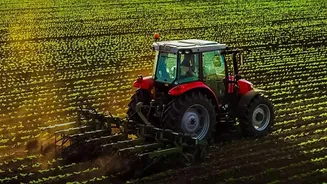
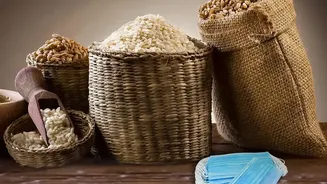
Beyond the garage, the push for ethanol fuels a significant national debate about resource trade-offs, often termed the 'food versus fuel' dilemma. A substantial portion of the ethanol produced in India comes from agricultural feedstocks like sugarcane, maize, and surplus rice from the Food Corporation of India (FCI). While this supports the agricultural sector, critics raise valid concerns about diverting essential food crops and agricultural land to produce fuel, especially in a country with a large population to feed. This debate also touches on the intense use of water for these crops and the environmental impact of distilleries. The concern is so significant that even the CEA’s proposal cautioned that any move to increase blending beyond E20 must carefully weigh the impact on food security, water, and land use.