






The Serving Size Illusion
The first place to start when reading any nutrition label is the serving size. For most breakfast cereals, this is a surprisingly small 30 to 45 grams. What does 30 grams actually look like? Depending on the cereal's shape and density, it can be as little
as four or five tablespoons—likely just a fraction of what you pour into your bowl. Studies show that the size of our bowl influences how much we serve ourselves, with larger bowls leading us to eat more. One test found that a typical self-served portion of muesli was 100g, double the manufacturer's suggested 50g serving. This instantly doubles the calories, fat, and sugar you consume. Before you even add milk, you may have eaten two or three times the listed serving, making the nutrition panel dangerously misleading.
The Real Sugar in Your Bowl
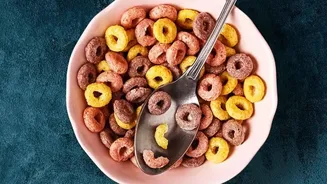
Cereal is a common source of added sugars, which provide calories but no real nutritional value. Indian health authorities and the World Health Organization suggest a daily limit of about 25 grams of added sugar for an adult. Many popular cereals, especially those marketed to kids, can get you close to that limit with just one bowl. Imagine a cereal with 10 grams of sugar per 30g serving. If your actual portion is closer to 90 grams, you’ve just consumed 30 grams of sugar—your entire daily allowance—before your day has even truly begun. To get a clear picture, always check the ingredients list. If sugar, or one of its many aliases like fructose or maltose, is one of the first ingredients listed, it's a major component of the product. Comparing the 'per 100g' column across different boxes is the best way to see which cereal is truly lower in sugar, regardless of their tricky serving sizes.
Beyond Sugar: Fibre and Sodium
While sugar gets most of the attention, fibre and sodium are just as important. Fibre is crucial for healthy digestion and feeling full, which helps with weight management. A good goal is to find a cereal with at least 5 grams of fibre per serving. However, if you are eating a cereal low in fibre, even a larger bowl won't deliver the benefits. Conversely, some seemingly healthy cereals can be surprisingly high in sodium. Doubling or tripling your portion means you are also multiplying your salt intake, which is a key factor to watch for heart health. The best cereals will be high in fibre and low in sugar and sodium. Look for options where a whole grain, like whole wheat or oats, is the very first ingredient on the label. This ensures you're starting with a more nutritious base.
How to Take Control of Your Bowl
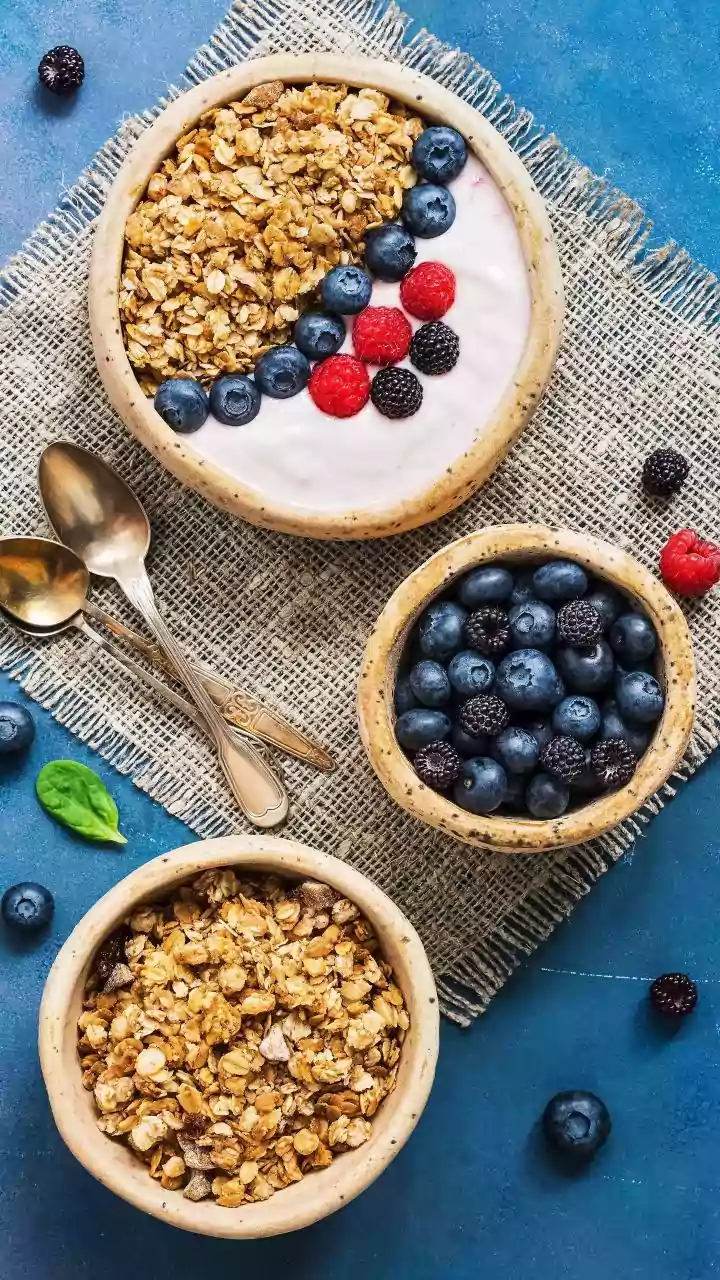
Becoming a smarter cereal consumer doesn't mean you have to give up your favourite breakfast. It's about awareness. The first step is to measure. Just once, weigh out a 30g serving of your go-to cereal to see what it actually looks like. You will likely be surprised at how small it is. This visual can help you recalibrate your pours. Using a smaller bowl can also trick your brain into feeling satisfied with a more appropriate portion. To add volume and nutrients without simply adding more processed flakes, top your cereal with fresh fruit like bananas or berries, or a sprinkle of nuts and seeds. These additions provide natural sweetness, healthy fats, and extra fibre to keep you full and energised for longer.