





The Ancient Grain Making a Modern Comeback
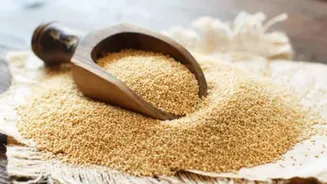
First things first: what exactly is amaranth? Although we cook it like a grain, it's technically a 'pseudocereal' — the seed of a plant related to spinach and beets. Cultivated for over 8,000 years, it was prized by ancient civilizations for its strength-giving
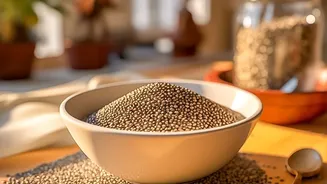
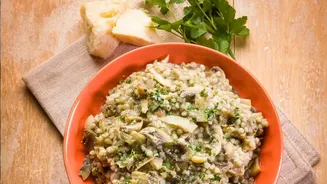
properties. Today, it's gaining popularity worldwide as a gluten-free, nutrient-dense food that’s incredibly versatile. You can find it as whole seeds, which cook into a creamy porridge, or as flour for baking. Its earthy, nutty flavour works in both sweet and savoury dishes, making it an easy addition to any meal, especially breakfast.
A Powerhouse of Bone-Building Nutrients
The main reason amaranth is linked to bone nutrition is its impressive mineral content. It’s a fantastic source of calcium, magnesium, and phosphorus — three minerals that are crucial for building and maintaining strong, healthy bones. One cooked cup provides a significant amount of your daily needs for these nutrients. For instance, it contains about 116 mg of calcium and is particularly rich in magnesium, delivering around 40% of the recommended daily intake. Magnesium is a key player, as it helps the body properly absorb and use calcium. Amaranth is also packed with manganese, a mineral essential for the processes of bone formation and repair.
The Protein and Amino Acid Advantage
Bone health isn’t just about minerals; protein is equally vital. Bones are living tissues with a protein framework that minerals build upon. Amaranth shines here, too. It’s a source of high-quality, complete protein, meaning it contains all nine essential amino acids the body can't make on its own. This is rare for plant-based foods. Specifically, amaranth is high in lysine, an amino acid that is often lacking in other grains like wheat or rice. Lysine plays an important role in calcium absorption and the production of collagen, a key structural component of bone.
What About 'Anti-Nutrients'?
Like many seeds, grains, and legumes, raw amaranth contains compounds called anti-nutrients, such as phytates and oxalates. These can bind to minerals like calcium and iron in the gut, potentially reducing their absorption. However, this isn't a major concern for most people and is easily managed. Simple preparation methods like soaking and cooking significantly reduce the levels of these anti-nutrients. Boiling, in particular, has been shown to be very effective at breaking them down, which in turn improves the digestibility of protein and makes the minerals more available to your body. So, as long as you're cooking your amaranth, you're getting the vast majority of its benefits.
The Bigger Picture for Healthy Bones
While amaranth is a fantastic addition to your diet, no single food is a magic bullet for bone health. Strong bones are built through a holistic approach. The most beneficial dietary patterns for bone health emphasize fruits, vegetables, whole grains (like amaranth), lean proteins, and low-fat dairy. Conversely, diets high in ultra-processed foods, which are often loaded with sugar, salt, and unhealthy fats, have been linked to lower bone mineral density. Think of amaranth as one valuable player on a team. Integrating it into a balanced, whole-foods diet is the best strategy for supporting your skeletal system for the long haul.
Easy Amaranth Breakfast Ideas
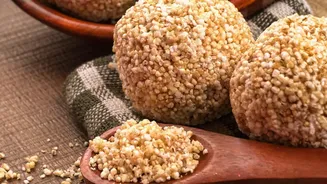
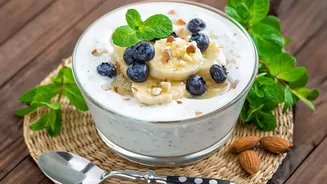
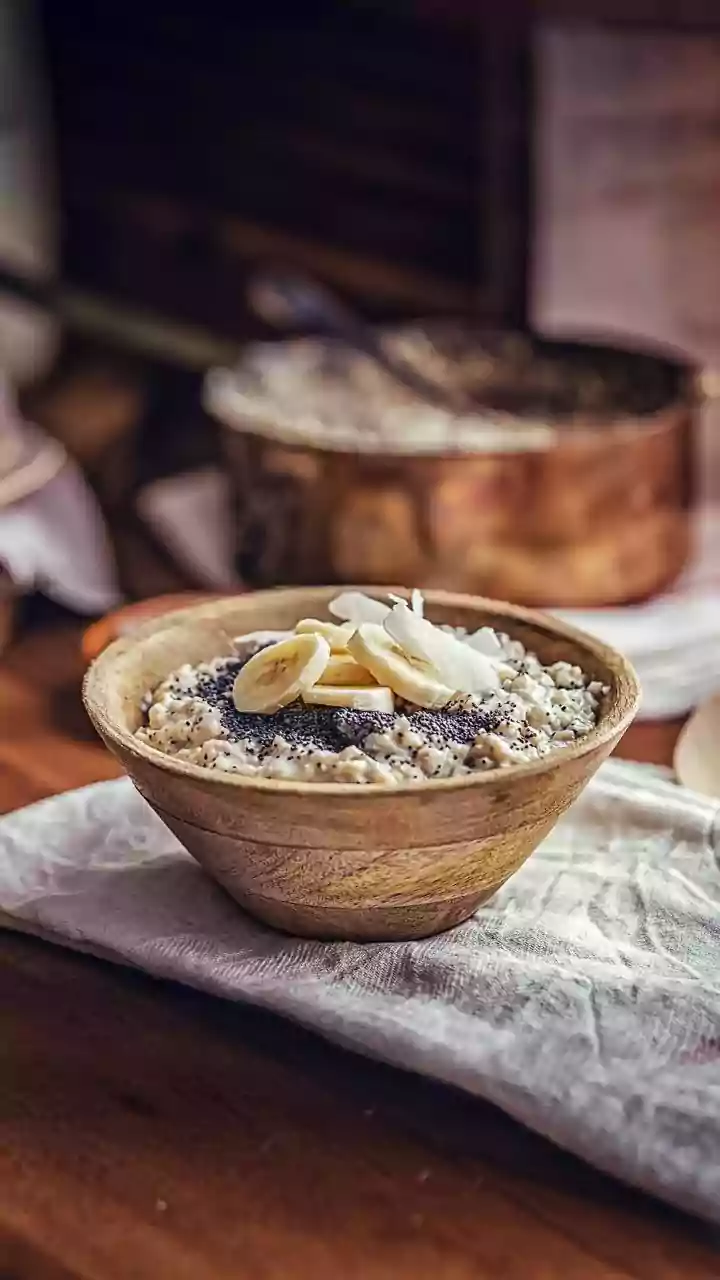
Ready to give it a try? Incorporating amaranth into your breakfast routine is simple. The most common way is to cook it into a porridge. Use a ratio of about three parts water to one part amaranth seeds, simmer for 20-25 minutes until the water is absorbed, and you'll have a creamy, satisfying base. From there, you can top it with fresh fruit, nuts, and a drizzle of honey. Another fun option is 'popped' amaranth. Heat a dry, high-sided pan and add the seeds in a single layer. They will pop like tiny popcorn, creating a crunchy topping perfect for sprinkling over yogurt or smoothies. You can also use amaranth flour in pancake or muffin recipes to boost their nutritional content.