




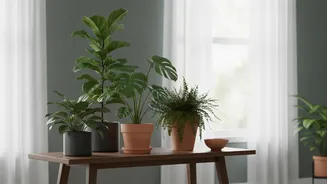
Why Window Direction Is Crucial
Before you even pick a pot, understanding the light in your space is the single most important step for houseplant success. Plants convert sunlight into energy through photosynthesis, and the amount and intensity of light they receive dictates their ability
to grow, thrive, and even flower. Not all light is created equal. Direct sunlight involves unfiltered rays hitting the plant, while indirect light is softer, often filtered by curtains or reflected off surfaces. A plant that loves direct sun will languish in a dim corner, while a shade-dweller will get scorched leaves on a sunny sill. The direction your window faces is the best indicator of the type of light you can offer.
The North-Facing Window: Gentle and Consistent
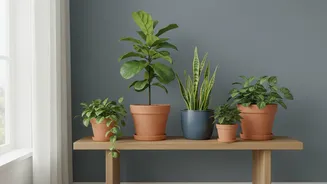
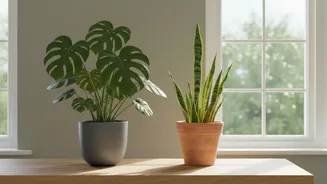
North-facing windows provide the least amount of direct sun, offering cool, indirect light for most of the day. This makes them unsuitable for sun-worshipping plants, but perfect for species that thrive in lower light conditions and can be sensitive to harsh rays. These are the spots for plants that add lush, green texture without needing a sunbeam. Great choices for north-facing windows include the nearly indestructible Snake Plant (Sansevieria), the ZZ Plant (Zamioculcas zamiifolia), and the ever-popular Pothos (Epipremnum aureum). Ferns, Peace Lilies, and Cast Iron Plants also do exceptionally well in these gentler conditions.
The South-Facing Window: A Sun-Lover's Paradise
A south-facing window is prime real estate for sun-loving plants, as it receives the most intense and prolonged light throughout the day, especially in the Northern Hemisphere. This is the place for desert dwellers and tropical plants that are accustomed to bright conditions. Cacti and a wide variety of succulents, such as Echeveria and Aloe Vera, will thrive here. Sun-loving species like the Croton, with its vibrant, colorful foliage, and the stately Bird of Paradise also flourish in the bright light from a southern exposure. A Jade Plant (Crassula ovata) is another excellent choice that will be very happy on a sunny southern sill.
The East-Facing Window: The Perfect Morning Sun
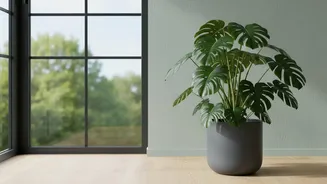
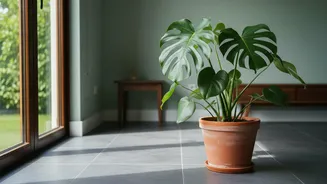
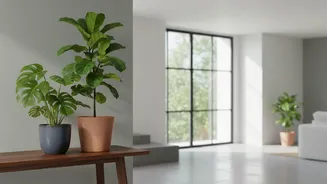
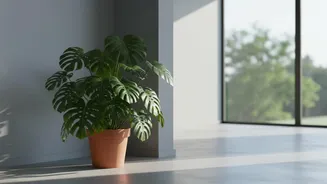
East-facing windows capture the gentle morning sun, which is less intense than the afternoon light. This creates a bright, indirect light for the rest of the day, making it an ideal environment for a wide range of popular houseplants that like brightness without the burn. Plants such as the Monstera Deliciosa, Fiddle Leaf Fig, and various Calatheas do wonderfully here, appreciating the bright start to their day. It's also a great spot for many flowering plants that can be sensitive to heat, like African Violets and Orchids. Other happy residents of an east-facing window include Begonias and Heartleaf Philodendrons.
The West-Facing Window: An Intense Afternoon
West-facing windows get several hours of direct, hot sun in the afternoon and evening. This can be too intense for some delicate tropicals, but it's perfect for plants that can handle the heat. Many plants that thrive in south-facing windows, like succulents and cacti, will also do well here. The strong light can bring out vibrant colors in the leaves of plants like Crotons and Coleus. The hardy Snake Plant can tolerate this exposure, as can a Yucca Cane. If the direct sun proves too strong, a sheer curtain can diffuse the light, making the spot suitable for other plants like a Bird of Paradise or Monstera.