


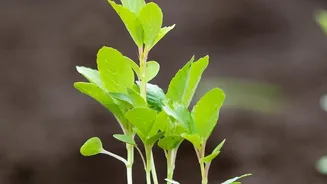
Sunlight: The Key to Fruit
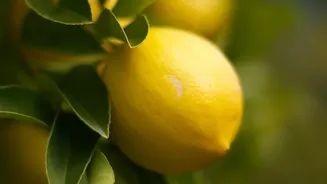
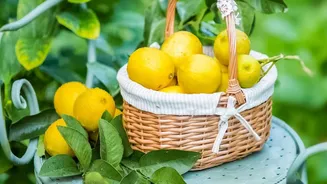
Lemon trees are sun-lovers and require at least six to eight hours of direct, bright sunlight every day to produce fruit. A south-facing balcony or an open terrace is the ideal location. While the plant can survive with less light, it will likely only
produce leaves and few, if any, flowers or lemons. For established trees, more sun is almost always better. However, if you are in a region with extremely harsh midday sun, a little afternoon shade can prevent the leaves from scorching.
Watering: Consistency Over Quantity
Proper watering is critical for a healthy lemon plant. The golden rule is to water deeply when the top 1-2 inches of soil feel dry to the touch. Overwatering is a common mistake and can lead to root rot, often indicated by yellowing leaves. Underwatering can cause leaves to curl and drop. In hot Indian summers, you may need to water daily, while during the monsoon and winter, you'll need to water less frequently, always ensuring the pot has excellent drainage to let excess water escape. A consistently moist, but never soggy, soil is the goal.
Pot and Soil: The Right Foundation
Choosing the right container is crucial. Start with a pot that is at least 12 to 16 inches in diameter and has plenty of drainage holes. Terracotta or thick plastic pots are good choices. As the tree grows, you will need to repot it into a larger container to accommodate its expanding root system. Lemon trees prefer a well-draining, slightly acidic soil. A quality potting mix can be made by combining garden soil, organic compost, and something to improve aeration like cocopeat or perlite. This ensures roots get enough oxygen and don't become waterlogged.
Fertilizing: Feeding for Flowers and Fruit
Lemon trees are heavy feeders, especially during their growing season from spring through early fall. To encourage lush foliage, flowers, and fruit, use a balanced fertilizer that is high in nitrogen. Look for a citrus-specific fertilizer or one with an NPK ratio like 6-3-3. Feed your plant every 4-6 weeks during the growing period. You can use a slow-release granular fertilizer or a liquid one mixed with water. Applying organic compost is also an excellent way to provide essential nutrients. Avoid fertilizing in late fall and winter when the plant's growth slows down.
Pruning and Pollination
Pruning is essential for maintaining the shape of your tree and encouraging healthy, productive growth. Regularly remove any dead, damaged, or crossing branches to improve air circulation through the canopy. If your tree is grown indoors, you may need to help with pollination to ensure it produces fruit. Since there are no bees inside, you can gently shake the branches when the flowers are open or use a small, soft paintbrush to transfer pollen from one blossom to another.
Common Pests and Diseases
Keep an eye out for common pests like aphids, citrus leaf miners, and scale insects, which suck sap from the leaves. These pests often secrete a sticky substance called honeydew, which can lead to the growth of a black fungus known as sooty mould. Controlling the pests will usually resolve the sooty mould issue. Other potential diseases include citrus canker and root rot, which is often caused by poor drainage. Ensuring good air circulation and proper watering can prevent many of these problems.