







The Problem with Refined Carbs in the Morning
Many common breakfast foods—like white toast, sugary cereals, pastries, and sweet buns—are made from refined carbohydrates. During processing, the most nutritious parts of the grain, the bran and germ, are stripped away. What's left is a starch that your
body digests very quickly. This rapid digestion causes a sharp, fast spike in blood sugar. While this might provide a brief burst of energy, it's often followed by a steep crash as your body releases insulin to manage the sugar rush. This 'sugar crash' can leave you feeling tired, unfocused, and searching for another snack long before lunchtime.
Whole Grains: The Steady Energy Solution
Whole grains, by contrast, keep all parts of the grain intact: the fiber-rich bran, the nutrient-packed germ, and the starchy endosperm. The crucial difference is the fiber. Fiber is a type of carbohydrate your body can't easily digest. This means it slows down the entire digestive process. Specifically, soluble fiber forms a gel-like substance in your gut, which slows the absorption of sugar into your bloodstream. Instead of a rapid spike and crash, you get a slower, more gradual release of energy. This helps maintain steadier blood sugar levels, keeping you feeling full and focused for hours.
Understanding the Glycemic Index
A useful tool for understanding this concept is the Glycemic Index (GI), which ranks carbohydrate-containing foods on a scale from 0 to 100 based on how quickly they raise blood sugar. High-GI foods (70+) like white bread are digested quickly, while low-GI foods (55 or less) like rolled oats and whole-grain bread are digested slowly, leading to a more gradual rise in blood sugar. Choosing low-GI foods for breakfast can set a stable tone for the rest of the day.
Quick and Easy Whole-Grain Breakfasts
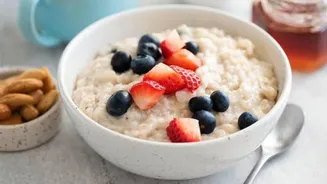
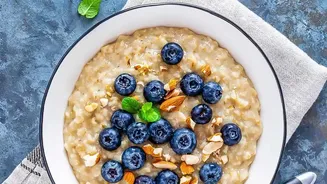
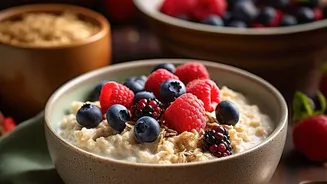
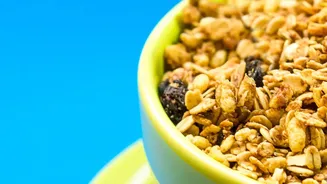
Switching to a whole-grain breakfast doesn't have to be complicated or time-consuming. Here are three simple ideas to get started: 1. Oatmeal with Berries and Nuts: Opt for rolled or steel-cut oats over instant varieties, which can have a higher GI. Oats contain a special type of soluble fiber called beta-glucan, which is particularly effective at slowing sugar absorption. Top with berries for added fiber and nuts or seeds for healthy fats and protein, which further slow digestion. 2. Avocado Toast on Whole-Grain Bread: This popular breakfast is a powerhouse for stable blood sugar. Choose a bread that lists 'whole wheat' or another whole grain as the first ingredient. The healthy fats and fiber in the avocado work with the fiber in the bread to ensure a very slow energy release. For extra staying power, add a poached or fried egg on top for a protein boost. 3. Greek Yogurt with Whole-Grain Cereal: Plain, unsweetened Greek yogurt is high in protein, which helps promote fullness. Instead of sugary granola, which can be high in added sugars, top your yogurt with a small portion of a high-fiber, whole-grain cereal, such as one made from wheat biscuits or muesli with no added sugar. This combination provides protein, fiber, and slow-release carbohydrates for a balanced start.
Tips for Making the Switch
Making a lasting change is easier with a plan. When shopping, read the ingredients list on bread and cereals; the first ingredient should be a whole grain. To save time on busy mornings, consider making overnight oats or chia seed pudding the night before. These options are ready to eat straight from the fridge. Even simple swaps, like choosing whole-wheat chapattis or rotis instead of white flour versions, can make a significant difference in your daily energy levels and long-term health.