



What Exactly Did IRSA Announce?
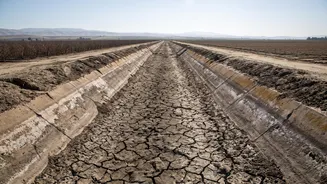
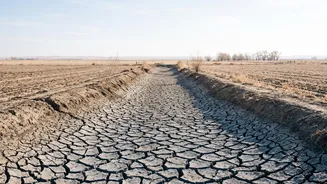
The Indus River System Authority (IRSA), the body that manages water distribution among Pakistan's provinces, has officially projected a 22% water deficit for Punjab and Sindh during the crucial Rabi season. This season, which runs from October to March,
is when essential crops like wheat, barley, and mustard are planted. The shortage means farmers in these provinces, which form Pakistan's agricultural heartland, will receive significantly less water than required. The cuts do not apply to the provinces of Balochistan and Khyber Pakhtunkhwa, which are exempt from supply reductions under the current distribution formula.
Why Is There a Shortage?
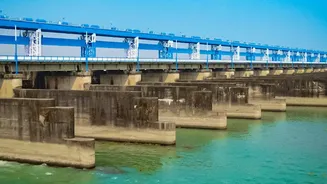
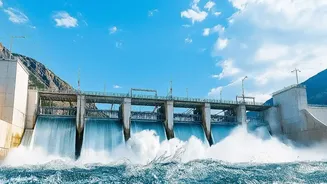
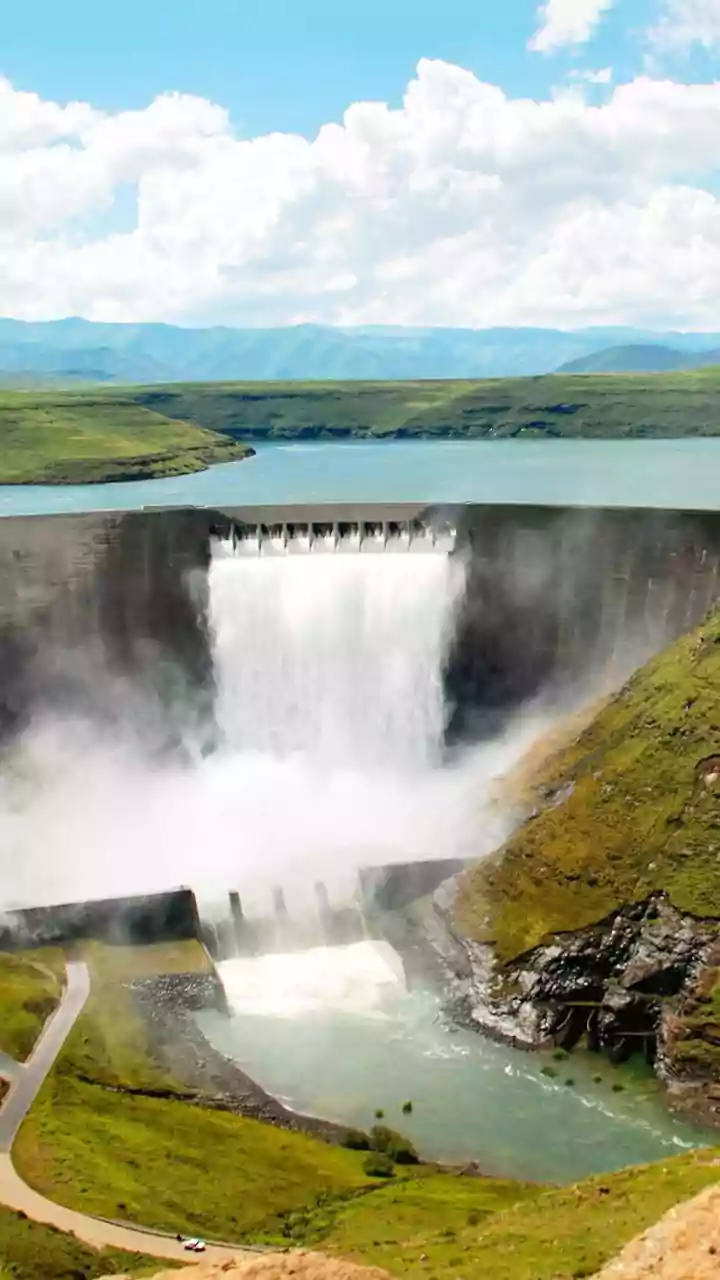
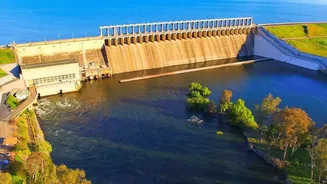
The crisis is rooted in a combination of environmental factors and infrastructural challenges. The primary cause is lower-than-expected water inflows into the country's main rivers during the preceding Kharif season. This was compounded by significantly depleted water levels in Pakistan's major reservoirs, Tarbela and Mangla. On September 30, the country's reservoirs held just 9.34 million acre-feet (MAF) of water, a sharp drop from 13.21 MAF at the same time last year and below the ten-year average. IRSA has also pointed to delays in key infrastructure projects at the Tarbela Dam, which prevented the storage of over 3 MAF of water and have aggravated the situation.
The Impact on Food Security and the Economy
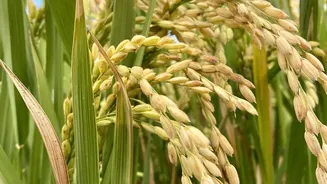
The timing of this shortage is critical, as it directly threatens Pakistan's wheat harvest. Last year, despite having no projected water shortage, the country's wheat production fell more than two million tonnes short of its target, forcing the government to order imports. With a 22% water deficit this year, there are serious concerns that crop yields will suffer further. This could lead to a greater shortfall in wheat, Pakistan's staple food crop, putting upward pressure on already soaring flour prices. In September, flour prices were already over 30% higher than the previous year, and another weak harvest could exacerbate food inflation and require costly new imports.
An Old Political Fault Line Reopens
Water distribution is a historically contentious issue between Punjab and Sindh. As the upper riparian province, Punjab has greater control over river water, while Sindh, the lower riparian province, often accuses it of drawing more than its fair share. The current shortage is set to revive these decades-old disputes. Sindh has already voiced its opposition to the shortage formula being used by IRSA. Such disagreements can become highly politicised, straining inter-provincial relations and creating a significant challenge for the central government, especially when resources are scarce. The issue is so sensitive that water disputes have led to fatal violence at the local level.
Is This Part of a Bigger Problem?
While the immediate causes are low inflows and reservoir levels, this event highlights Pakistan's long-term vulnerability to water scarcity. Climate change is leading to more erratic weather patterns, impacting the snow and glacier melt that feed the Indus river system. Some reports have noted that the problem was worsened by avoidable water releases from reservoirs during the previous season, allegedly for political reasons. Furthermore, while some Pakistani officials have tried to link the crisis to the suspended Indus Waters Treaty with India, Pakistan's own regulatory body has identified domestic issues like poor storage management and project delays as the core reasons for this specific shortfall.