




The Humble Superfood: What is Makhana?
Makhana, also known as fox nuts or lotus seeds, are the edible seeds of the Euryale ferox plant. For centuries, they have been a staple in traditional Indian cuisine and Ayurvedic practices. These lightweight, crunchy puffs have a neutral taste, making
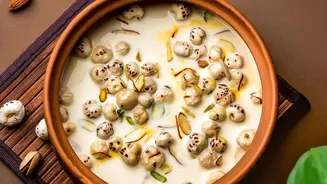
them incredibly versatile for both savoury snacks and sweet dishes like kheer. Harvested and prepared through a process of sun-drying and roasting, makhana is considered a sattvic or pure food, which is why it's widely permitted and consumed during religious fasting periods like Navratri, Shivratri, and Janmashtami. Beyond its traditional significance, makhana is celebrated for being a low-calorie, gluten-free, and nutrient-dense food.
A Double Dose of Protein and Nutrients
The headline's claim hinges on the powerful combination of makhana and milk. Makhana itself is a good source of plant-based protein, with about 9.7 grams per 100g. It's also rich in complex carbohydrates that provide sustained energy, which is crucial during a fast. When combined with milk, a well-known source of high-quality animal protein, the dish becomes a more complete nutritional package. A single serving of makhana kheer can offer around 5 to 6 grams of protein. This pairing doesn't just boost protein; it also delivers a wealth of other essential nutrients. Makhana is packed with minerals like magnesium, potassium, and phosphorus, while being low in sodium. This makes it beneficial for heart health and blood pressure regulation. Milk complements this by providing ample calcium and Vitamin D, essential for bone health.
Why Makhana is a Fasting Favourite
During a vrat, the goal is often to consume foods that are light on the digestive system yet provide lasting energy. Makhana fits this description perfectly. Its high fibre content aids digestion and promotes a feeling of fullness, helping to manage hunger pangs throughout the day. Unlike many other fasting snacks that can be heavy or fried, makhana is easily digestible. Furthermore, makhana has a low glycemic index, which means it releases sugar into the bloodstream slowly. This helps in maintaining stable blood sugar levels and avoiding the energy spikes and crashes associated with sugary treats, keeping you feeling balanced and focused.
A Step-by-Step Guide to Creamy Makhana Kheer
Creating this nutritious dessert at home is simple. You'll need about 1 cup of makhana, 1 litre of full-cream milk, sugar or jaggery to taste, a tablespoon of ghee, and a mix of your favourite nuts and flavourings like cardamom and saffron. 1. Roast the Makhana: Heat ghee in a pan and roast the makhana on low heat until they become crisp and lightly golden. This step is crucial for the kheer's texture and nutty flavour. 2. Prepare the Makhana: Once cooled, you can either keep the makhana whole for a chunkier texture or lightly crush about half of them in a mortar and pestle or blender. The crushed makhana helps to thicken the kheer naturally. 3. Boil the Milk: In a separate, heavy-bottomed pan, bring the milk to a boil. Once it boils, add the roasted makhana (both whole and crushed). 4. Simmer and Thicken: Reduce the heat and let the kheer simmer, stirring occasionally to prevent it from sticking. Cook for about 15-20 minutes, or until the milk thickens and the makhana softens. 5. Add Flavour: Stir in your choice of sweetener, crushed cardamom, and a few strands of saffron. Add chopped nuts like almonds and pistachios. Cook for another 5-7 minutes until everything is well combined and the kheer reaches your desired consistency. You can serve it warm or chilled.
Tips for the Perfect Bowl
To elevate your makhana kheer, consider a few simple tricks. For a richer, creamier texture, always use full-fat milk. Soaking nuts like almonds and pistachios in warm water beforehand and then slicing them adds a better texture. You can also roast the nuts in a little ghee along with the makhana for extra flavour. There's a debate on whether to grind the makhana, but a popular approach is to grind about half and leave the rest whole; this provides both thickening and a satisfying bite. For a healthier twist, you can substitute sugar with jaggery or chopped dates for natural sweetness. The kheer will continue to thicken as it cools, so keep that in mind when deciding when to take it off the heat.