



The Vegetarian Health Halo
For generations, an Indian vegetarian diet has been associated with clean living and good health. Rich in traditions that celebrate lentils, vegetables, and grains, it's easy to see why many believe that simply avoiding meat is enough to stay healthy.
This perception creates a 'health halo', where the entire diet is presumed to be beneficial. However, the reality of the modern Indian plate is often quite different from its traditional ideal. While the principles of a plant-based diet are sound, the execution can fall short, leading to a nutritional imbalance that paradoxically raises health concerns.
The Refined Carb Overload
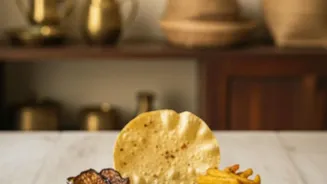
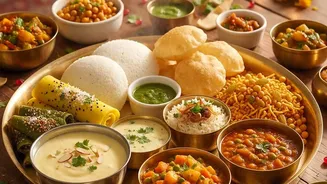
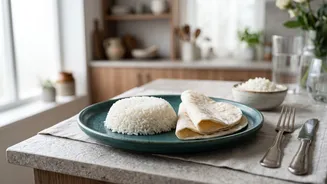
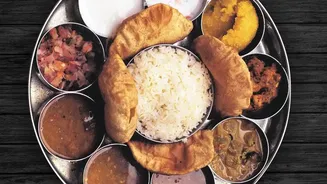
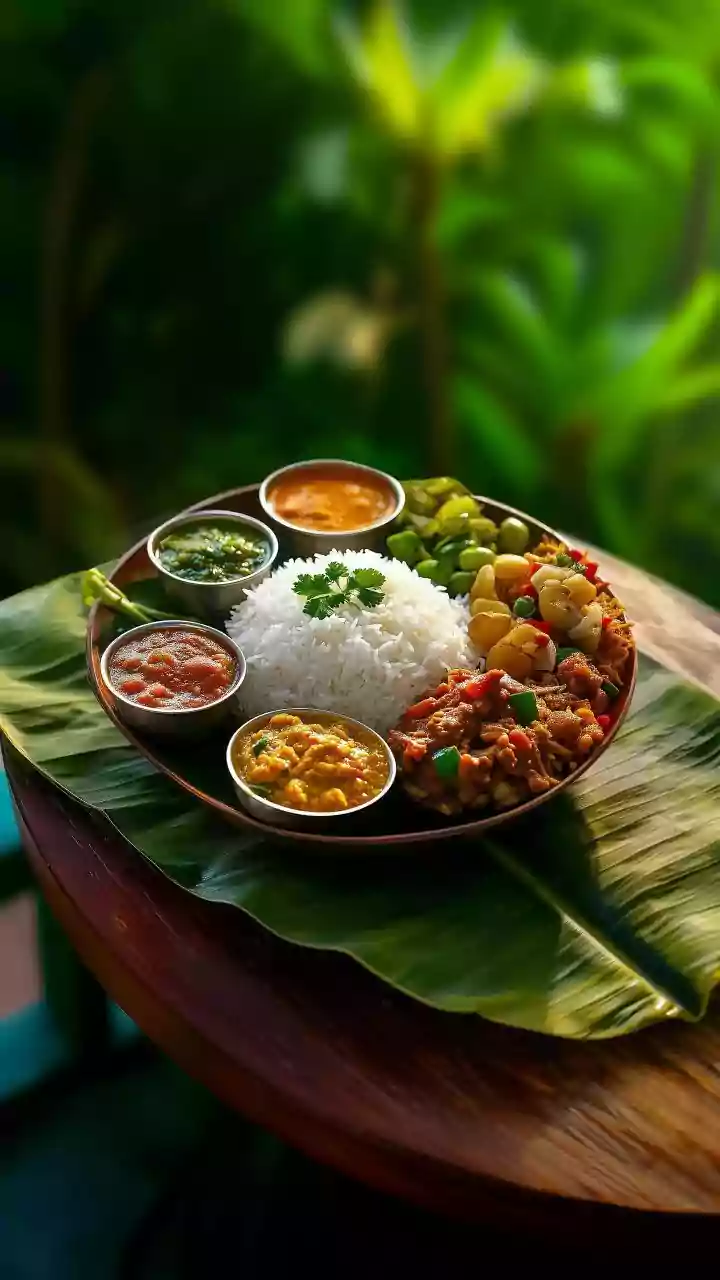
The primary issue isn't vegetarianism itself, but the overwhelming presence of refined carbohydrates. Many popular and beloved Indian meals are dominated by them. Think of fluffy white rice, soft naans made from maida, crispy pooris, and potato-heavy sabzis. These foods have a high glycemic index, meaning they are digested quickly and cause a rapid spike in blood sugar levels. A national dietary analysis found that carbohydrates contribute over 62% of daily energy in the average Indian diet, with refined cereals like white rice being a major component. When a meal consists of a large portion of rice or several rotis with only a small serving of dal and vegetables, the carb load is significant.
From Plate to Pancreas: The Biological Impact
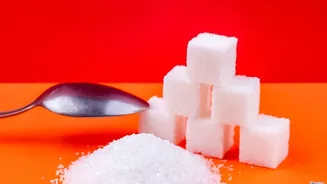
When you consume high-glycemic refined carbs, your blood sugar shoots up. In response, your pancreas works overtime to produce insulin, a hormone that helps your cells absorb sugar for energy. When this happens repeatedly, day after day, your cells can become less responsive to insulin—a condition known as insulin resistance. Over time, this can lead to prediabetes and eventually Type 2 diabetes. This is particularly concerning for people of South Asian descent, who may have a genetic predisposition to developing diabetes, sometimes at a lower body weight than other populations. The combination of a high-carb diet and this underlying biological risk creates a perfect storm.
The Missing Pieces: Protein and Fibre
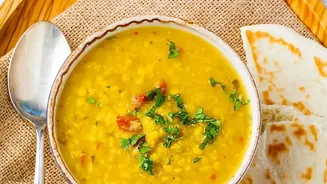
The problem is twofold: it's not just what's on the plate, but also what's missing. Many carb-centric vegetarian meals lack sufficient protein and fibre. Protein is crucial for satiety (feeling full), muscle maintenance, and has a minimal impact on blood sugar. Fibre, found in whole grains, legumes, and vegetables, slows down the absorption of sugar, preventing sharp spikes. While dals and legumes are staples, their portion sizes are often too small to adequately counterbalance the large servings of rice or bread. Studies show that a significant portion of protein in the Indian diet comes from cereals, which are of lower quality than protein from pulses or dairy. Increasing protein from sources like paneer, tofu, soy, chickpeas, and Greek yogurt is essential for a more balanced meal.
How to Rebalance Your Thali
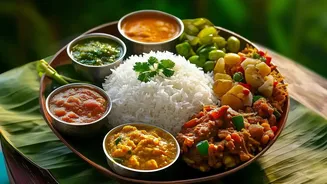
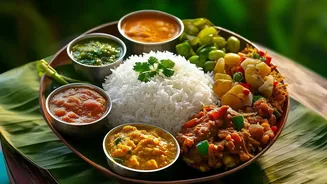
The good news is that an Indian vegetarian diet can be incredibly healthy with a few mindful adjustments. The goal is not to eliminate carbohydrates but to choose them wisely and balance the plate. A simple rule is the 'plate method': fill half your plate with non-starchy vegetables (like spinach, cauliflower, bell peppers), one-quarter with a protein source (dal, paneer, chana), and the remaining quarter with complex carbohydrates. Swap refined grains for whole grains and millets. Instead of white rice, opt for brown rice, quinoa, or millets like jowar and bajra, which are higher in fibre and have a lower glycemic index. Don't be afraid to increase your dal and sabzi portions while moderating your rice or roti intake. This simple shift dramatically improves the nutritional profile of your meal.
Smart Swaps for Everyday Meals
Making changes can be easy with simple swaps. For breakfast, instead of poha or upma made from refined grains, try a moong dal chilla or a besan cheela stuffed with paneer. At lunch, pair a small portion of brown rice with a generous katori of rajma or chole and a large side salad. Instead of deep-fried snacks like samosas or pakoras, opt for roasted chana, a handful of nuts, or a bowl of sprouts. For dinner, a paneer tikka with grilled vegetables or a vegetable-heavy khichdi made with millets can be both satisfying and healthy. These small, consistent changes re-focus the meal on protein and fibre, ensuring sustained energy without the blood sugar rollercoaster.