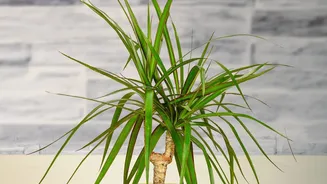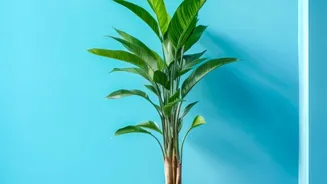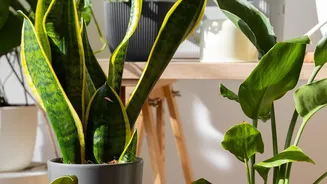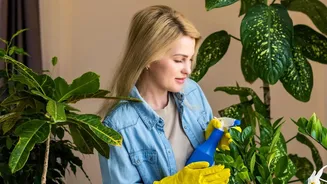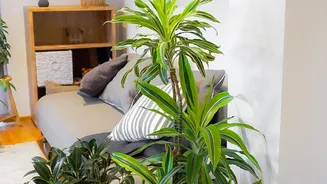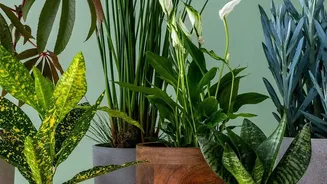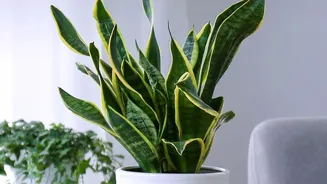





The idea that a few potted plants can scrub your home's air clean is a comforting thought. It started with a famous 1989 NASA study, but the reality of a modern living room is far more complex than a sealed lab chamber.
The Promise of a Natural Air Filter
The belief that houseplants are
tiny, green air purifiers can be traced back to a landmark 1989 NASA Clean Air Study. Researchers, looking for ways to clean the air in sealed space stations, placed common houseplants like Peace Lilies and Snake Plants in small, sealed chambers. They then introduced harmful volatile organic compounds (VOCs) like benzene and formaldehyde. The results were impressive: after 24 hours, some plants had removed a significant percentage of these pollutants. This study gave birth to the appealing idea that simply adding greenery to our homes could naturally combat indoor pollution, a concept that quickly grew in popularity.
From Sealed Chamber to Living Room
The problem is that a small, sealed, and controlled chamber is nothing like a typical house or apartment. The NASA study was scientifically sound for its intended purpose—a contained environment. However, our homes are much larger and have constant air exchange from windows, doors, and ventilation systems. More recent analyses have highlighted this critical difference. Researchers found that the rate at which our homes naturally dilute pollutants through normal air circulation far outpaces a plant's ability to remove them. In essence, the effects seen in the lab are dramatically watered down in a real-world setting.
The Numbers Don't Add Up
So, how many plants would it actually take to make a difference? According to a 2019 review of decades of research, the number is staggering. To match the air-cleaning performance of a standard building's ventilation system or even just a few open windows, you would need to place between 10 and 1,000 plants per square meter of floor space. For an average-sized living room, this could mean accommodating hundreds, if not thousands, of plants. Clearly, while your single monstera is a beautiful addition to your decor, it is not working as a powerful air purifier.
But Don't Give Up on Greenery
Just because houseplants are not effective air purifiers doesn't mean they are useless. Far from it. The psychological and wellness benefits of having plants indoors are well documented. Studies have shown that interacting with plants can reduce stress and anxiety. Their presence has been linked to increased productivity, enhanced creativity, and a greater sense of well being. Simply seeing lush, green foliage can have a calming effect and make a space feel more inviting and attractive. Caring for a plant can also be a rewarding hobby that provides a sense of purpose and connection to nature.
What Actually Cleans Your Air
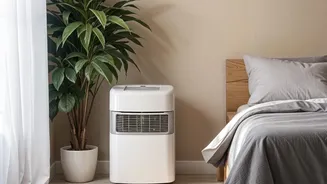
If you're genuinely concerned about indoor air quality, there are far more effective strategies than buying a few more plants. The most effective method recommended by experts is source control—eliminating or reducing pollutants at their origin. This includes using low - VOC paints and cleaning products. The second key strategy is ventilation. Regularly opening windows and doors for even just a few minutes a day can dramatically improve air quality by diluting indoor pollutants with fresh outdoor air. Using exhaust fans in kitchens and bathrooms is also crucial for removing contaminants directly. For those seeking a technological solution, mechanical air purifiers with HEPA filters are designed specifically to remove airborne particles and are thousands of times more effective than plants.