


1. The Lemon Juice Myth
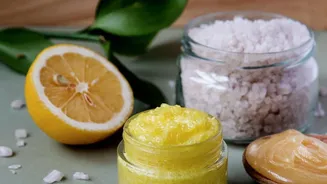
Lemon juice is often hailed as a natural skin lightener because it contains citric acid, an alpha-hydroxy acid (AHA) that can exfoliate. However, dermatologists strongly advise against applying raw lemon juice to your face. Its pH is extremely acidic
(around 2-3), which is far lower than your skin's natural pH of 4.5-5.5. This acidity can strip your skin's protective barrier, leading to irritation, excessive dryness, redness, and peeling. More alarmingly, citrus compounds can cause phytophotodermatitis, a severe reaction when skin is exposed to sunlight that results in burns, blistering, and long-lasting dark patches—the opposite of the intended effect. For a brightening effect without the risk, it's much safer to use a professionally formulated Vitamin C serum, which is pH-balanced for the skin.
2. The Turmeric (Haldi) Glow
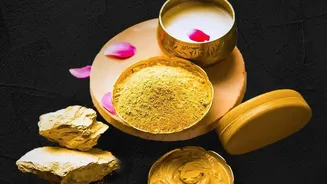
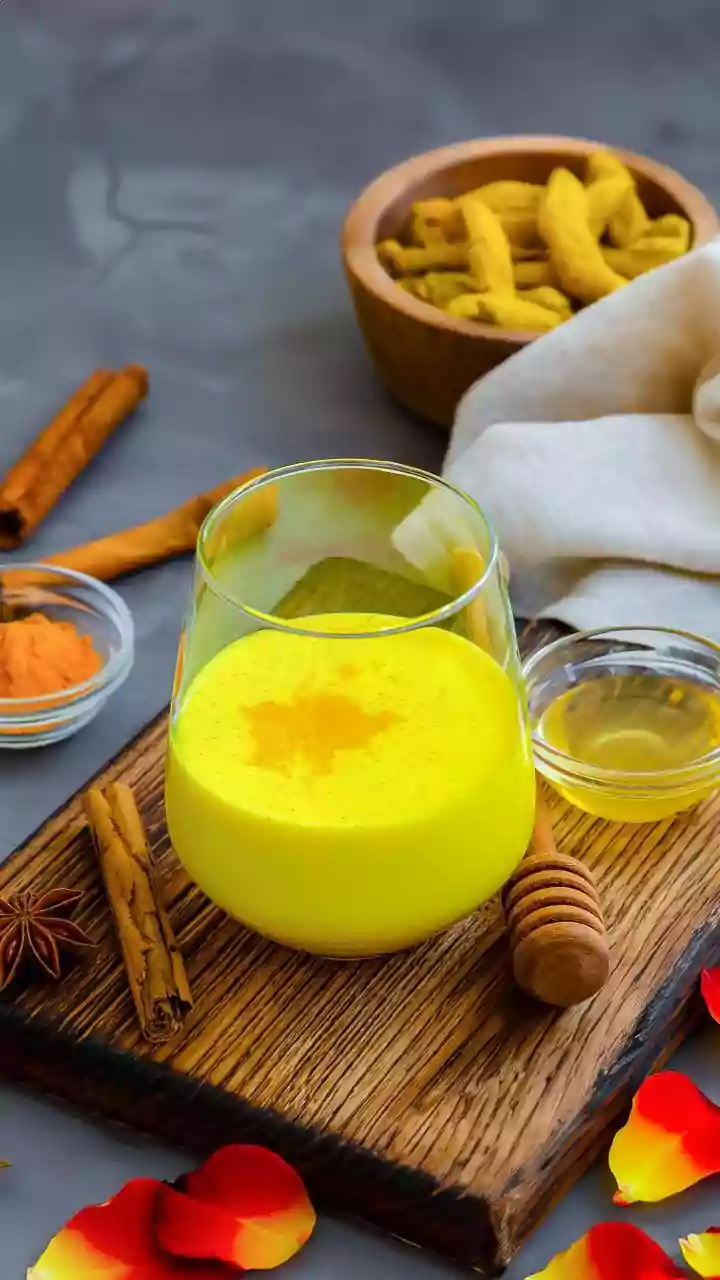
A staple in Indian traditions, a turmeric face pack is loved for its anti-inflammatory and antioxidant properties, thanks to its active compound, curcumin. It may help calm redness, fight acne-causing bacteria, and give the skin a temporary glow. However, it's not without risks. Turmeric can cause contact dermatitis or allergic reactions in sensitive individuals, leading to itching and rashes. It is also not a proven medical treatment for skin conditions like eczema or severe acne. And, of course, there's the well-known side effect of temporary yellow staining on the skin. To use it more safely, always do a patch test and mix it with a soothing base like yogurt or honey.
3. The Gram Flour (Besan) Cleanse
Gram flour, or besan, has been used for generations in 'ubtan' pastes for cleansing and brightening. Its fine texture provides gentle exfoliation, helping to remove dead skin cells and excess oil. Many find it effective for managing oily skin and achieving a temporary fresh appearance. While generally considered safe for most skin types, its absorbent nature can be drying for those with already dry or sensitive skin. To counter this, it's often best mixed with a hydrating ingredient like milk, honey, or yogurt rather than just water. Besan is a good natural cleanser, but it doesn't have strong 'whitening' properties; it primarily reveals brighter skin by removing impurities from the surface.
4. The Papaya Enzyme Peel
Papaya contains an enzyme called papain, which is a proteolytic enzyme, meaning it breaks down proteins. This makes it an excellent natural exfoliant, as it can dissolve the bonds between dead skin cells without the harshness of a physical scrub. Using a papaya pulp mask can help improve skin texture, unclog pores, and reveal a brighter, more radiant complexion. It is generally considered a gentler alternative to other exfoliants. However, people with sensitivities to papaya or latex should be cautious, as it can occasionally trigger allergic reactions. For consistent and safe results, look for skincare products that have harnessed papain in stable, tested formulations.
5. The Yogurt & Honey Soother
This combination is popular for good reason. Plain yogurt contains lactic acid, a mild AHA that gently exfoliates, helping to smooth skin and improve tone. Honey is a natural humectant, meaning it draws moisture into the skin, and has antimicrobial and anti-inflammatory properties. Together, they can create a mask that is both hydrating and gently clarifying, making it suitable for many skin types, including sensitive and acne-prone skin. However, it's crucial to use plain, unsweetened yogurt, as flavored varieties contain sugars that are not beneficial for the skin. Also, stick to raw or Manuka honey for the most potent benefits, and always perform a patch test.
6. The Sandalwood (Chandan) Cooler
Sandalwood, or chandan, is a cherished ingredient in Ayurveda known for its cooling and soothing properties. Its powder is often used in face packs to calm irritated skin, reduce redness, and manage excess oil. The anti-inflammatory and antimicrobial compounds in sandalwood can be beneficial for acne-prone skin. While it can help even out skin tone and provide a brighter appearance with consistent use, it's not a quick fix. A primary caution is that leaving a sandalwood paste on for too long can be drying, so it's best to mix it with a hydrating liquid like milk or rose water and rinse it off before it completely hardens.
7. The Aloe Vera Hydrator
Fresh aloe vera gel is renowned for its soothing and hydrating qualities. It contains compounds that can help calm inflammation and provide moisture to the skin. Some evidence suggests it can also help fade hyperpigmentation and gently exfoliate dead skin cells, contributing to a brighter look. While generally safe, the yellow latex layer found near the rind of the aloe leaf can be an allergen for some people. For convenience and to avoid potential irritants, using a well-formulated, store-bought aloe vera gel that is free of alcohol and unnecessary additives is often a safer and more consistent option.