








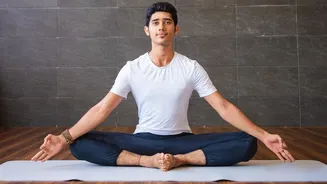
Why Slow and Controlled Matters
Not all yoga is created equal when it comes to digestive health. While a fast-paced, intense flow has its own benefits, a slow and controlled practice is key for soothing your gut. This approach works by activating the parasympathetic nervous system,
often called the 'rest and digest' system. High-stress states shift your body into 'fight or flight' mode, which slows or halts digestion. Gentle, mindful movements and sustained poses signal to your body that it is safe, allowing digestive processes to function efficiently. This shift away from stress is a critical first step in managing gut discomfort.
The Power of the Breath-Gut Connection
In yoga, the breath, or 'pranayama', is just as important as the physical postures. Deep, diaphragmatic breathing—often called belly breathing—plays a direct role in digestive wellness. Each deep inhale and slow exhale gently massages the abdominal organs, including the stomach and intestines. This rhythmic movement can help stimulate peristalsis, the wave-like muscle contractions that move food through your digestive tract. Furthermore, deep breathing is one of the most effective ways to activate the vagus nerve, which sends calming signals from the brain to the gut, reducing stress-related symptoms like cramping and urgency.
Essential Poses for Digestive Relief
Certain yoga poses are particularly effective for alleviating common digestive issues like gas, bloating, and constipation. Twisting poses, such as a Seated Spinal Twist (Ardha Matsyendrasana) or a gentle Supine Spinal Twist, compress and then release the abdominal organs, which helps move trapped gas and improve blood flow. The Wind-Relieving Pose (Pawanmuktasana), where you hug one or both knees to your chest, applies gentle pressure to the abdomen to ease bloating. Forward folds, like the Seated Forward Bend (Paschimottanasana), also provide a gentle squeeze to the digestive organs while calming the nervous system. Finally, restorative poses like Child's Pose (Balasana) apply light pressure to the abdomen and promote overall relaxation.
Beyond the Mat: Essential Healthy Habits
Yoga is a powerful tool, but it works best when combined with other healthy digestive habits. Staying adequately hydrated is crucial, as water helps break down food and soften stool, preventing constipation. Incorporating fiber-rich foods like fruits, vegetables, and whole grains supports a healthy gut microbiome and promotes regularity. Mindful eating is another key component; chewing your food thoroughly, eating without distractions, and avoiding overeating gives your digestive system the time it needs to work properly. Finally, managing stress through methods beyond yoga, such as prioritizing sleep and spending time in nature, reinforces the calming effects on your gut-brain axis.