





The Blood Sugar Claim: Hope or Hype?
The idea that cinnamon can help control blood sugar is one of its most popular health claims. This belief stems from some early and small-scale studies that showed promising results. Researchers observed that compounds in cinnamon might imitate insulin
or improve the body's sensitivity to it, helping to lower fasting blood glucose levels in some individuals. However, the overall scientific picture is much more complicated and far from conclusive. Many larger, more robust studies and systematic reviews have found conflicting results, showing no significant or consistent effect on blood sugar levels, especially on long-term markers like HbA1c, which measures average blood sugar over three months. Because of this inconsistent evidence, major health organizations like the American Diabetes Association do not recommend cinnamon as a treatment for diabetes. While it may have a minor, supportive role for some, it is not a substitute for medical treatment, a balanced diet, and exercise.
The Weight Loss Connection
Similar to the blood sugar claims, the notion that cinnamon is a powerful weight loss aid is an oversimplification. Some research, including meta-analyses of multiple studies, has suggested that cinnamon supplementation can lead to a statistically significant reduction in body weight, Body Mass Index (BMI), and waist circumference. However, it's crucial to look at the numbers. The average weight loss observed in these studies is very modest, often just around one kilogram over a period of 12 weeks. This effect is likely indirect, possibly linked to its slight influence on metabolism and glucose control rather than any direct fat-burning properties. No credible evidence supports the idea that simply adding cinnamon to your diet will cause significant weight loss on its own. It is a flavorful, low-calorie way to season food, which can be part of a healthy weight management plan, but it is not a magic bullet.
Not All Cinnamon Is Created Equal
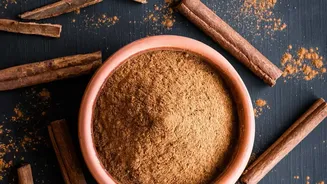
A critical detail often lost in the wellness chatter is that there are two main types of cinnamon, and they are not the same. The vast majority of cinnamon sold in supermarkets is Cassia cinnamon. It's inexpensive, with a strong, spicy flavor. The other type is Ceylon cinnamon, often called “true cinnamon.” It is more expensive, lighter in color, and has a more delicate, sweet flavor. This distinction is not just about taste; it’s about safety. The potential health risks associated with high cinnamon consumption are almost exclusively linked to the common Cassia variety. Understanding which type you are using is key to enjoying it safely, especially if you plan to consume it regularly.
The Hidden Risk of Too Much 'Regular' Cinnamon
The primary safety concern with Cassia cinnamon is a compound called coumarin. While naturally occurring, coumarin can be toxic to the liver in high doses or with chronic use. Regulatory bodies in Europe have set a tolerable daily intake for coumarin at 0.1 milligrams per kilogram of body weight. A single teaspoon of Cassia cinnamon powder can contain enough coumarin to exceed this daily limit for a smaller adult or child. Over time, this can put stress on the liver. It can also interact with certain medications, including blood thinners and drugs metabolized by the liver. In contrast, Ceylon cinnamon contains only negligible amounts of coumarin, making it a much safer choice for those who enjoy cinnamon frequently or in larger quantities.
The Best Way to Enjoy This Ancient Spice
After debunking the myths, it’s important to remember that cinnamon is still a wonderful spice with real benefits. It is packed with antioxidants, which help protect your body's cells from damage, and has known anti-inflammatory properties. The key is to approach it correctly: as a spice, not a supplement. Use it to add warmth and flavor to your food and drinks in moderation. If you are a heavy user, consider seeking out and switching to Ceylon cinnamon to avoid the risks associated with coumarin. A sprinkle on your oatmeal or a stick in your tea is a perfectly healthy way to enjoy its delightful taste and aroma without relying on it for unproven medical cures.