






The Performance of Perfection
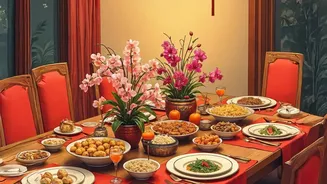
From Diwali to Christmas, the cultural script for festive seasons often involves elaborate preparations, extensive social calendars, and the pressure to create flawless, joyful experiences. This drive for perfection is amplified by social media, where
curated glimpses into others' celebrations can create a sense of competition and inadequacy. This pressure to 'perform' the perfect holiday can be a significant source of stress, leading to financial strain, emotional exhaustion, and a mental load that falls disproportionately on certain family members. Psychologists note that this overwhelming pressure can lead to anxiety, irritability, and burnout, ironically undermining the very goal of happy togetherness.
Why Simplicity Fosters Deeper Bonds
Highly scheduled, performance-oriented holidays often leave little room for spontaneous connection. When every moment is planned, the focus shifts from being present with loved ones to executing a flawless event. In contrast, simple rituals create a space for genuine interaction. Research shows that consistent, predictable family activities provide a sense of stability and security, which is crucial for both children and adults. These routines act as anchors in our busy lives, lowering stress hormones and fostering emotional resilience. Knowing that every Friday is movie night or that Sunday mornings are for pancakes creates a reliable touchstone for connection, free from the weight of high expectations.
The Power of a Predictable Anchor
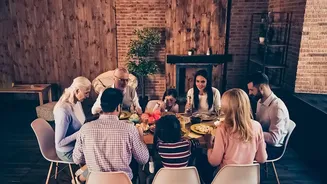
Family rituals are essentially recurring, meaningful activities that go beyond simple routines; they carry emotional weight. They can be as simple as a shared meal without phones, a nightly bedtime story, or a specific song played during weekend chores. The power of these rituals lies in their consistency. They send a powerful, implicit message: “We belong together. Our time is important.” This sense of belonging and shared identity is a cornerstone of strong family units. During times of stress or change, these familiar anchors can provide immense comfort and help families navigate challenges with greater resilience.
How to Build Your Own Low-Pressure Traditions
Starting your own rituals doesn't require a grand plan. The most effective traditions are often the ones that integrate easily into your existing life. Consider attaching a new ritual to a current routine, like turning a regular walk into a 'walk-and-talk' session or lighting a candle during weekday dinners to signal a shift from a hectic day to quiet connection time. Ideas can be simple and adaptable: institute a monthly family game night, letting each member choose the game in rotation. Create a 'bowl of questions' on the dinner table to spark new conversations. Or establish a seasonal activity, like a specific walk to see the first signs of spring or an annual trip to see festive lights. The key is to choose activities that your family genuinely enjoys and that reflect your shared values, like volunteering together.
Embracing Imperfection for Real Connection
Ultimately, shifting from overplanned festivities to low-pressure rituals requires a mindset change. It means letting go of the need for perfection and embracing the beauty of the ordinary. The goal is not to stage a perfect photograph but to create authentic moments of connection. This involves setting realistic expectations and being flexible when things don't go as planned. By focusing on presence over performance, you give your family the greatest gift: your undivided attention and a stress-free environment where everyone can relax and truly enjoy each other's company. The most cherished memories are rarely born from a perfectly executed schedule, but from the simple, shared moments in between.