








The Science of a Soggy Pile
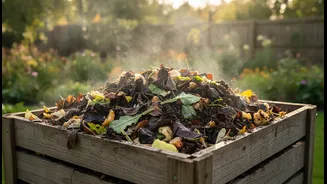
A healthy compost pile is a bustling ecosystem powered by aerobic bacteria, which are tiny microorganisms that require oxygen to work their magic. They efficiently break down your kitchen scraps and garden waste into nutrient-rich humus for your plants.
However, when a compost pile becomes too wet—either from too many moisture-rich 'green' materials (like vegetable peels and fresh grass clippings) or from heavy monsoon rains—water fills all the crucial air pockets. This cuts off the oxygen supply, creating an anaerobic (oxygen-free) environment. Without air, the beneficial aerobic bacteria die off, and a different set of microbes takes over.
Why Anaerobic Conditions Are a Problem
Anaerobic decomposition is the source of that unpleasant, rotten-egg or ammonia-like smell. These foul odours are gases, like methane and hydrogen sulfide, released by the anaerobic bacteria as they slowly break down the waste. This process is not only smelly but also much slower and less effective than aerobic composting. The resulting material is often a slimy, poorly decomposed sludge that isn't ideal for your garden. Furthermore, anaerobic conditions don't generate the high temperatures needed to kill off weed seeds and potential pathogens that might be lurking in your waste.
The Gentle Turn: How to Reintroduce Air
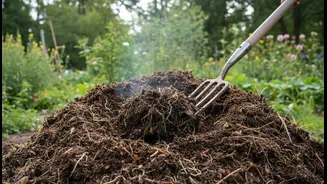
The immediate solution is to get oxygen back into the pile. This is where turning comes in. However, you must do it gently. Vigorously turning a saturated, heavy pile with a shovel can compact it further, squeezing out what little air remains. The goal is to fluff it up. Use a garden fork or a compost aerator to gently lift and separate the matted layers. Break up any large, dense clumps to create new air passages. This allows moisture to escape and, most importantly, invites oxygen back into the core of the pile, creating a welcoming environment for the good aerobic bacteria to repopulate and get back to work.
Balance with 'Browns': The Secret Ingredient
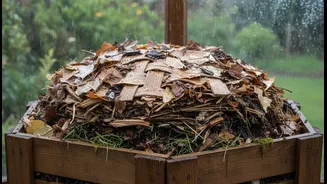
Simply turning the pile isn't enough; you also need to address the moisture imbalance. This is done by adding plenty of 'brown' materials. Browns are carbon-rich, dry materials that act like a sponge, soaking up excess moisture and providing the necessary carbon to balance the nitrogen-rich 'greens'. Excellent sources of browns include dried leaves, shredded newspaper, cardboard from online deliveries, sawdust, and cocopeat (coconut husk). Aim to add a significant layer, mixing them in as you gently turn the pile. A healthy compost pile should have a carbon-to-nitrogen ratio of about 25:1 to 30:1, which often translates to two or three parts brown material for every one part green material by volume.
Prevention Is Better Than Cure
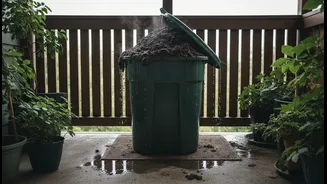
To avoid a soggy mess in the future, focus on prevention. When building your compost pile, always layer or mix your greens and browns. Don't just dump a week's worth of wet kitchen waste without adding a counter-balancing layer of browns. Ensure your compost bin has adequate drainage holes at the bottom so excess water can escape. During periods of heavy rainfall, especially during the Indian monsoon, it's a good idea to cover your compost pile with a tarp or a fitted lid. This protects it from becoming waterlogged in the first place, saving you the trouble of having to rescue it later. Regular, gentle turning every week or two will also help maintain good airflow and prevent compaction.