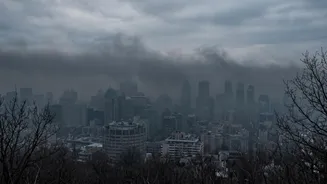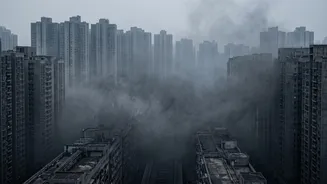








As November's haze settles over Delhi, millions experience a familiar, unwelcome sensation: a dry, scratchy, and irritated throat. This isn't just a minor annoyance; it's your body's frontline response to the city's toxic air.
Your Throat: The Body's First Barrier
Think of your throat, or
pharynx, as the gatekeeper for your respiratory system. It's lined with a sensitive mucous membrane designed to trap unwanted particles before they can travel deeper into your lungs. Tiny, hair-like structures called cilia work constantly to sweep away this trapped debris. When the system works well, it's an effective defence. But during Delhi's smog season, this barrier is put under immense stress by an overwhelming volume of pollutants, leaving it inflamed and irritated.
The Pollutant Attack: Meet the Culprits
Delhi's smog is a toxic cocktail of multiple pollutants, but a few key culprits are responsible for that raw feeling in your throat. The most notorious is Particulate Matter 2.5 (PM2.5) — fine particles so small they can bypass your throat's natural filters and lodge deep in your airways. These particles physically irritate the throat lining. Alongside them are gaseous pollutants like Nitrogen Dioxide (NO2), primarily from vehicle exhaust, and Sulfur Dioxide (SO2) from industrial processes. These gases can dissolve in the moist lining of the throat to form acids, causing chemical irritation and a burning sensation.
Inflammation: The Science Behind the Soreness
When pollutants like PM2.5 settle on the delicate tissues of your throat, your immune system identifies them as foreign invaders. This triggers an inflammatory response, the same reaction your body has to an infection. This causes the throat lining to become red, swollen, and painful. The constant irritation leads to common symptoms like a persistent dry cough, hoarseness, and the constant urge to clear your throat. The dry winter air, often made drier by indoor heaters, worsens the situation by reducing the throat's protective layer of moisture, making it even more vulnerable.
More Than a Scratchy Throat
That throat irritation is a clear warning sign from your body. Shortterm exposure to high pollution levels can also cause coughing, wheezing, shortness of breath, and irritation of the eyes and nose. For those with preexisting conditions like asthma or other lung diseases, these pollutants can trigger severe flareups. Even otherwise healthy young adults are reporting significant respiratory symptoms during periods of high pollution in Delhi, indicating the widespread impact of the crisis. These symptoms are your body's way of signalling that it's under attack from the air you are breathing.
Finding Immediate Relief
While you can't clean the air outside, you can take steps to soothe your throat. Staying wellhydrated by drinking plenty of water helps keep the throat's mucous membrane moist. Gargling with warm salt water can help reduce inflammation and provide temporary relief. Many find comfort in warm, noncaffeinated drinks like ginger tea or turmeric milk, which are traditional home remedies for throat discomfort. When you must go outside on highpollution days, wearing a wellfitted N95 mask can significantly reduce your exposure to harmful PM2.5 particles. Using an air purifier indoors can also help create a cleaner environment at home.