







Choose Your Champion Tomato
The first step to success is selecting the right tomato. Not all varieties are created equal when it comes to slicing. For sandwiches, toasts, and salads, you want a tomato that is firm and meaty, with fewer seeds and less water content. Beefsteak tomatoes
are a classic choice for this reason; they are large, sturdy, and deliver that rich, old-fashioned tomato flavor with a texture that holds up. Other excellent slicing varieties include Brandywine, Mortgage Lifter, and Cherokee Purple, which are often found as heirloom options. These tend to be less juicy and have a denser flesh, making them ideal for clean, thick slices that won't fall apart or release excess liquid. While Roma tomatoes are known for their low water content, they are typically used for sauces; for fresh slicing, a hearty Beefsteak or a flavorful heirloom will give you the best result.
The Slice and a Secret Step
How you cut the tomato is just as important as which one you choose. A very sharp serrated knife is your best tool for the job. The serrated edge grips the tomato's skin without squishing the delicate flesh, allowing you to create even slices. Aim for slices that are about a quarter-inch thick—too thin and they'll disintegrate, too thick and they'll overwhelm the other ingredients. Now for the crucial step that many home cooks miss: de-juicing the slices. After slicing, lay the tomato pieces on a plate or a couple of paper towels and sprinkle them lightly with salt. Let them sit for a few minutes. The salt will draw out a significant amount of excess water through osmosis, which you can then pat away. This not only prevents a soggy meal but also concentrates the tomato's flavor, making it taste even more intensely delicious.
Layering for Structural Integrity
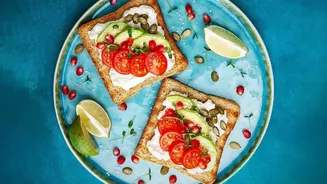
The order in which you assemble your ingredients can make or break your meal, especially in a sandwich or on toast. The primary rule is to create a barrier between the wet ingredients and the bread. Never place tomato slices directly against a slice of bread if you can help it. Instead, spread a layer of mashed avocado first. The fats in the avocado create a moisture-proof seal that protects the bread. For added protection, consider using a layer of lettuce or cheese between the avocado and the tomato. When making a stacked salad, place a sturdy tomato slice at the base and layer the softer avocado on top. This strategic layering keeps every component distinct and ensures every bite has the intended texture, from the crisp toast to the creamy avocado and the firm, flavorful tomato.
Perfecting the Flavor Profile
With the texture managed, you can focus on elevating the flavor. The simple pairing of avocado and tomato is a blank canvas. A squeeze of fresh lemon or lime juice over the avocado not only adds a bright, acidic counterpoint to the richness but also prevents the avocado from browning. Fresh herbs are a must; finely chopped cilantro, parsley, or basil can transform the dish. For a bit of a kick, a sprinkle of red pepper flakes over the avocado is a popular choice. Don't forget a final drizzle of high-quality extra-virgin olive oil and a pinch of flaky sea salt to finish. These simple additions enhance the natural sweetness of the tomato and the creaminess of the avocado, tying all the elements together into a cohesive and delicious meal.
Mistakes to Sidestep
Even with the best intentions, a few common mistakes can trip you up. The most frequent error is using overripe or mushy tomatoes. While great for a sauce, they are structurally unsound for slicing and will release too much water. Always choose firm, ripe tomatoes. Another pitfall is skipping the salting and draining step; it may seem minor, but it is the single most effective way to combat sogginess. Also, avoid preparing your avocado and tomato dishes too far in advance. Even with careful layering, the ingredients will eventually release moisture. For the best experience, assemble your toast, sandwich, or salad just before serving to ensure every element remains fresh, crisp, and delicious. Lastly, ensure your avocado is perfectly ripe—not too hard and not too mushy—for that ideal creamy texture that complements the tomato.