






1. It's A Serious Brain Booster
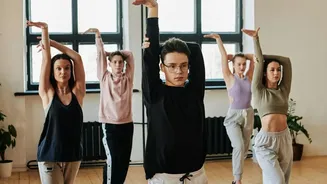
Forget sudoku. Learning and remembering choreography is a fantastic workout for your brain. When you dance, you're not just moving your feet; you're engaging multiple cognitive functions at once. This includes memory, coordination, spatial awareness,
and making quick decisions to keep up with the group and music. Studies have shown that dancing is excellent for neuroplasticity, which is the brain's ability to form new neural connections. Researchers have found that the mental effort involved in social dancing, combined with its social interaction, can significantly improve cognitive skills and may even lower the risk of dementia.
2. It Melts Away Stress
Had a tough day? Dancing it out is a scientifically backed way to feel better. Like other forms of aerobic exercise, dancing releases a flood of endorphins, the brain's natural mood-lifting chemicals. This helps reduce feelings of anxiety and depression. But group dancing adds another layer. It reduces cortisol, the body's primary stress hormone. The combination of physical movement, uplifting music, and social connection creates a powerful antidote to daily pressures, helping you to feel more relaxed and positive.
3. It Forges Strong Social Bonds
In an increasingly digital world, finding genuine connections can be a challenge. Group dancing offers a vibrant and welcoming community. Moving in sync with others has been shown to build trust and encourage feelings of closeness. It's a shared experience that fosters a sense of belonging and helps combat loneliness, which is a major factor in overall well-being. Sharing a common interest and working together to learn steps creates friendships that often extend beyond the studio floor, building a supportive social network.
4. It Improves Heart Health and Strength
Dancing is a full-body workout that's so enjoyable, you'll hardly notice you're exercising. The activity gets your heart rate up, improving cardiovascular fitness and endurance. Regular dancing can lead to better weight management and stronger bones, reducing the risk of osteoporosis. It also enhances balance, flexibility, and muscle tone. Unlike some repetitive gym workouts, dancing engages various muscle groups through a wide range of motion, improving core stability and coordination in ways that benefit your everyday life.
5. It Boosts Confidence and Self-Esteem
Mastering a new step or successfully completing a routine provides an incredible sense of accomplishment. This process of learning and improving can do wonders for your self-esteem. Performing in a group setting, even in a casual class, helps you become more comfortable in your own skin and reduces social anxiety. The supportive environment of a dance class encourages self-expression and allows you to build physical confidence. This newfound poise often translates to other areas of your life, making you feel more self-assured in general.