




The Essentials for Success
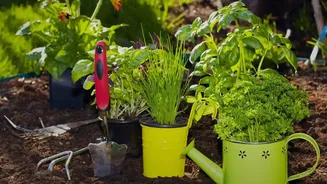
Plant propagation is simply the process of creating new plants from existing ones. Taking a cutting is one of the most popular methods. Before you begin, gather a few basic tools. You will need a healthy 'mother' plant, a sharp and clean pair of scissors
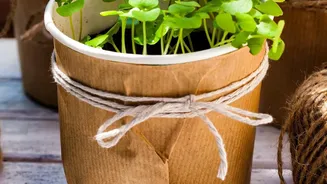
or pruners, a small pot or jar, and a suitable rooting medium. Using sterilised tools is critical to prevent bacteria from causing your cutting to rot before it has a chance to grow. A clean cut increases the chances of successful rooting by avoiding unnecessary damage to the plant tissue. While some plants root easily in a simple glass of water, others perform better in a well-draining potting mix.
Water vs. Soil: The Great Debate
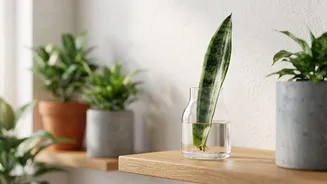
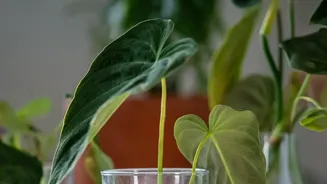
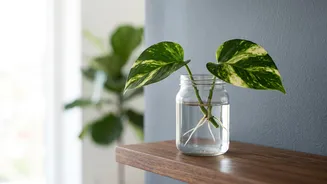
One of the most common questions for beginners is whether to root cuttings in water or soil. Water propagation is visually appealing as you can watch the roots grow. It works well for soft-stemmed plants like Pothos and Philodendron. However, roots grown in water are different from those grown in soil and can experience shock when transplanted. Propagating directly in a rooting medium like a mix of cocopeat and perlite often creates stronger, more resilient roots from the start. For most plants, especially woody-stemmed varieties, soil propagation is generally more reliable, though it may take longer to show results. A good rule is that soft growth often does well in water, while woodier cuttings prefer soil.
The All-Important Node
The single most common reason cuttings fail to root is cutting in the wrong place. For a cutting to develop roots, it must include at least one node. A node is the point on a stem where leaves and buds emerge. This is where the plant contains the cells necessary to generate new root growth. When you take your cutting, make your snip about an inch below a node. Remove any leaves from the lowest node that will be submerged in water or buried in soil. Submerged leaves will rot and can introduce harmful bacteria.
Five Easy Plants for Indian Homes
If you're just starting, choose plants known for their resilience and ease of propagation in Indian climates. Good choices include: 1. Pothos (Money Plant): The ultimate beginner plant, its cuttings root quickly in water or soil. 2. Snake Plant: You can propagate this hardy plant from leaf cuttings. Let the cut end dry and callous over for a day or two before planting. 3. Coleus: This colourful plant roots incredibly fast in a simple glass of water. 4. Hibiscus: Best taken from softwood cuttings during the monsoon season and planted in moist soil. 5. Jade Plant: A popular succulent, both its stem and leaf cuttings can be used. Allow cuttings to dry for a few days before planting in a well-draining mix to prevent rot.
Boosting Your Success with Rooting Hormone
While not always necessary for easy-to-root plants, a rooting hormone can significantly speed up the process and increase your success rate, especially with more difficult or woody plants. This product, which comes in powder, liquid, or gel form, contains plant hormones called auxins that stimulate root development. Simply dip the cut end of your stem into the hormone before planting it in soil. This encourages quicker, more robust root formation and can help prevent stem rot. For many gardeners, it's an essential tool for ensuring uniform and healthy new plants.
Troubleshooting Common Problems
Don't be discouraged if your first few attempts fail. A common pitfall is overwatering, which leads to rot. The rooting medium should be moist, not waterlogged. Another issue is providing the wrong light. Cuttings need bright, indirect light to get the energy for root growth, but direct sun will scorch them. Finally, be patient. Some cuttings can take weeks or even months to show signs of rooting. Resist the urge to constantly check on them, as this can disturb the delicate new roots. Creating a humid environment, perhaps by covering the pot with a plastic bag, can also prevent cuttings from drying out.