



Understanding Cast Iron's Unique Nature
To master cast iron, you first have to understand its personality. Unlike aluminum or stainless steel pans, cast iron is a relatively poor conductor of heat. This means it heats up slowly and doesn't spread that heat quickly across its surface. This might
sound like a drawback, but it's directly linked to its greatest strength: phenomenal heat retention. Once a cast iron pan gets hot, it stays hot, providing the consistent, powerful heat needed for a perfect, crispy sear. This quality is what makes it ideal for everything from frying fish to baking a fluffy skillet cornbread. The key is to get the entire pan hot evenly, and that’s where many cooks run into trouble.
The Hot Spot Problem: A Mismatch in Size
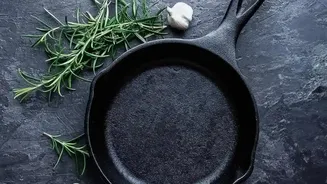
Here's the issue: if you place a large 12-inch cast iron skillet on a small 6-inch burner, the pan will heat unevenly. The centre of the pan, directly over the flame or electric coil, will become intensely hot while the outer edges remain significantly cooler. This creates aggressive hot spots. These spots can scorch your food in the middle before the rest of it is cooked, leading to inconsistent results. Even worse, this dramatic temperature difference across the metal creates internal stress. Over time, this stress, known as thermal shock, can cause the pan to warp, leading to a wobble on flat stovetops, or in extreme cases, even crack.
The Preheating Secret: Your Most Important Step
The single most important technique for great results is to preheat your cast iron pan properly. Because it heats slowly, you need to give it time. Never place a cold pan on a high-heat burner. Instead, start with a low heat for about five to ten minutes. This allows the heat to gradually and evenly spread from the centre to the edges, minimizing the risk of hot spots and warping. After this initial slow preheat, you can then increase the temperature to your desired cooking level, whether it's medium for pancakes or high for searing a steak. You’ll know it’s ready when you can hold your hand a few inches over the surface and feel a consistent, radiating warmth.
What to Do If You Don't Have a Perfect Match
In an ideal world, your pan base and burner size would be nearly identical. But what if your largest burner is still smaller than your favourite pan? Don't worry, you can still get great results. The slow preheating method becomes even more critical in this scenario. Giving the pan that extra time on low heat allows the energy to travel to the colder edges. For very large pans or rectangular griddles, you can even preheat them in the oven for 20 minutes before placing them on the stovetop. This ensures the entire piece of cookware is at a stable, even temperature before it ever touches the direct heat of a burner, guaranteeing a consistent cooking surface from corner to corner.