



The Soul of Bhog: Khichuri & Labra
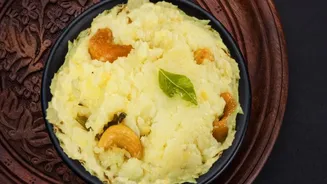
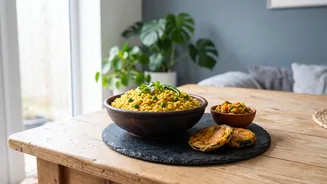
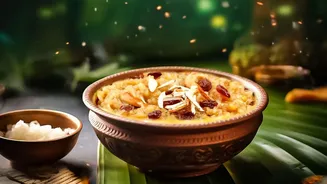
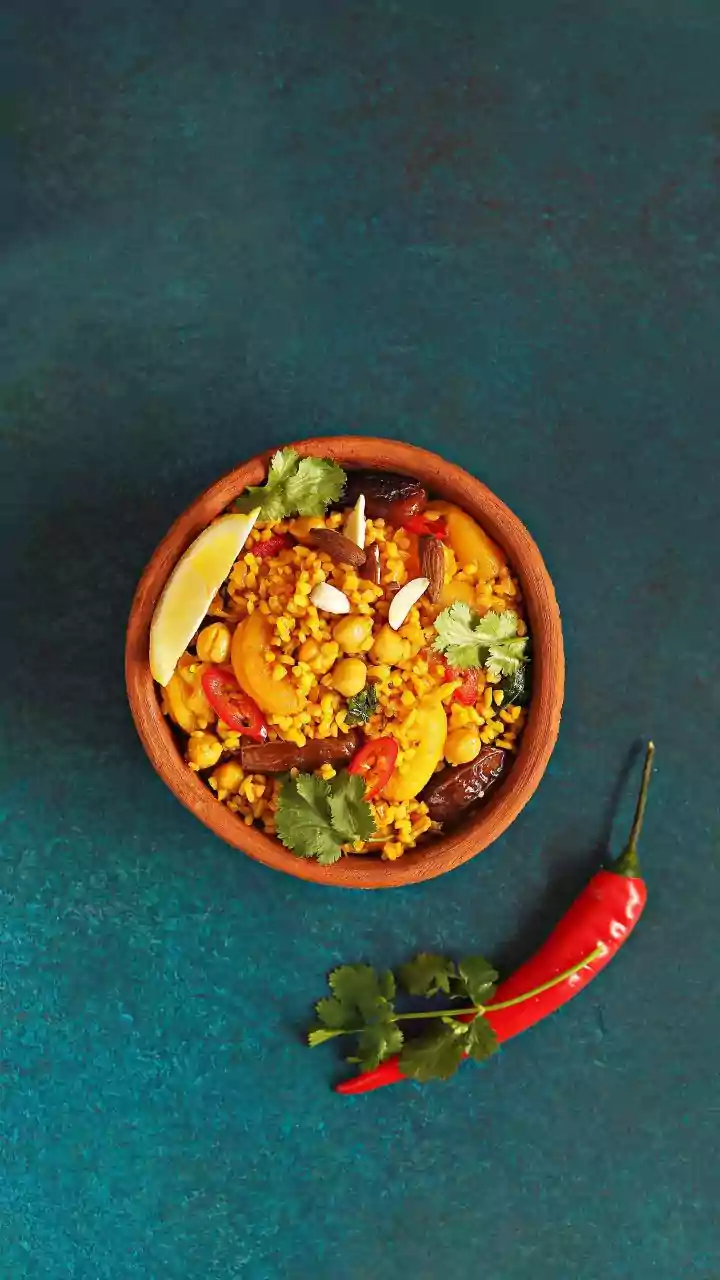
No Durga Puja experience is complete without partaking in the bhog, the blessed food offered to the Goddess and then distributed to devotees. The star of this divine platter is the Bhoger Khichuri, a fragrant, no-onion-garlic preparation of rice and roasted
moong dal, slow-cooked with vegetables and aromatic spices. It’s not just a dish; it’s a taste of community and devotion. Served alongside is Labra, a sublime mixed vegetable curry where pumpkin, potatoes, brinjal, and beans meld together in a mildly spiced harmony. This combination, often served on a leaf plate, is the ultimate comfort food and a core memory of Puja for many Bengalis.
The Festive Staple: Luchi and Aloor Dum
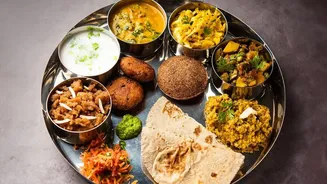
If Khichuri is for community afternoons, Luchi is for special festive meals at home and in pandals. These soft, fluffy, deep-fried breads made from refined flour are a true indulgence. They are the perfect vehicle for Aloor Dum, a slow-cooked potato curry where baby potatoes are simmered in a rich, spicy gravy. Another classic pairing for luchi is Chholar Dal, a slightly sweet and savoury split chickpea dal, often garnished with fried coconut pieces. This trio represents the quintessential celebratory Bengali meal, enjoyed for breakfast or as part of a larger festive spread.
Pandal Hopping Power-Up: Kathi Rolls
Pandal hopping through the crowded streets of Kolkata requires energy, and the city’s most famous street food, the Kathi Roll, is the perfect fuel. A flaky, often egg-fried paratha wraps around a succulent filling of chicken, mutton, or paneer, along with sliced onions and a tangy sauce. Originally named for the bamboo skewers ('kathi') used to grill the meat, this grab-and-go meal is a Puja-time saviour, allowing revellers to eat without missing a beat of the festive action. From legendary old-timers to countless street-side stalls, finding a delicious roll is an integral part of the nocturnal Puja adventure.
Street-Side Sensations: Phuchka and More
During Durga Puja, the streets of Bengal transform into a massive food court. At the centre of this universe is Phuchka, Kolkata's beloved version of pani puri. These crispy, hollow spheres filled with a spicy potato mash and plunged into tangy tamarind water offer a burst of flavour that is simply irresistible. Lines of people waiting patiently at phuchka stalls near every pandal are a common sight. Beyond phuchka, the streets offer a symphony of fried delights like fish chops, vegetable cutlets, and Kobiraji cutlets—a mince patty coated in a lacy egg net—all typically served with the pungent Bengali mustard sauce, kasundi.
Sweet Endings: Bijoya and Mishti
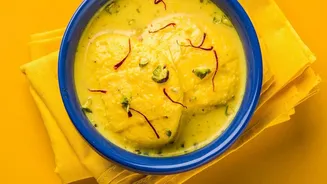
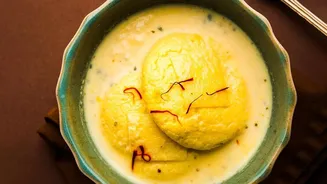
The festival culminates with Bijoya Dashami, the day the idols are immersed. This bittersweet farewell is immediately sweetened by the tradition of 'Bijoya', where friends and family visit each other's homes to exchange greetings and, most importantly, sweets. No Bengali festival is complete without mishti (sweets), and Bijoya is the grand finale. Households are stocked with iconic sweets like Sandesh, a delicate sweet made from fresh cottage cheese (chhena), and Rosogolla, the spongy cheese balls soaked in syrup. Another festive favourite is Mishti Doi, a sweetened, caramelized yogurt that provides a cool, creamy end to a celebratory meal. This exchange of sweets, known as 'mishti mukh', symbolizes goodwill and the sweetening of relationships for the year ahead.