

Know Before You Go: Timing Is Everything
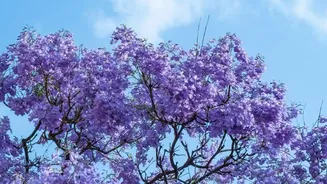
The jacaranda season in Sydney is a much-anticipated but brief window. The blooms typically start appearing in mid-October, reaching their peak from the last week of October through to mid-November. By early December, most of the flowers have fallen,
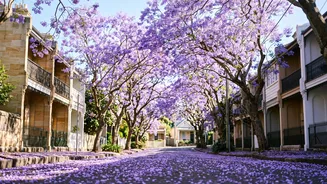
creating a beautiful carpet of purple on the footpaths below. The exact timing can vary slightly each year based on rainfall and temperature, so if you're planning a visit, this is the prime window to aim for. A warmer, drier spring might bring the blooms on a little earlier, while cooler weather can delay them. This staggered blooming across different parts of the city means you can discover new vibrant spots each weekend throughout the season.
The Iconic Tunnel: McDougall Street, Kirribilli
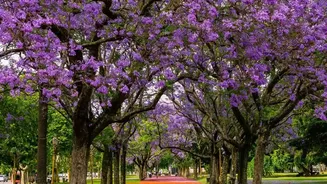
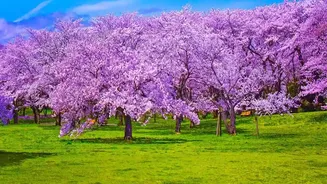
Without a doubt, the most famous and photographed jacaranda spot in Sydney is McDougall Street in the lower North Shore suburb of Kirribilli. Here, mature jacaranda trees line both sides of the road, forming a breathtaking purple canopy or 'tunnel' that attracts locals and tourists alike. This spot is so popular that the local council often implements road closures on weekends during peak season to ensure pedestrian safety, as the street fills with people capturing the perfect shot. To get the best experience and avoid the biggest crowds, plan your visit for a weekday or go early in the morning. The soft morning light is ideal for photography, and you'll have a more peaceful stroll.
Harbour Views and Historic Streets: Circular Quay and The Rocks
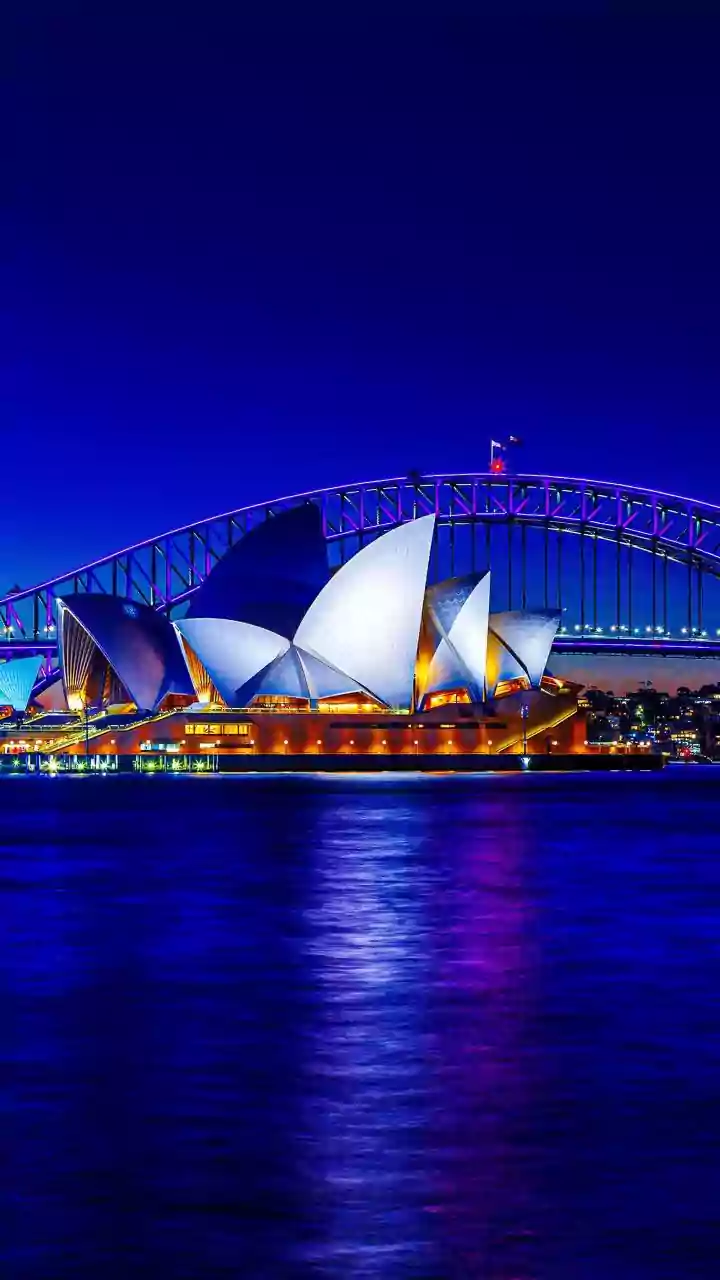
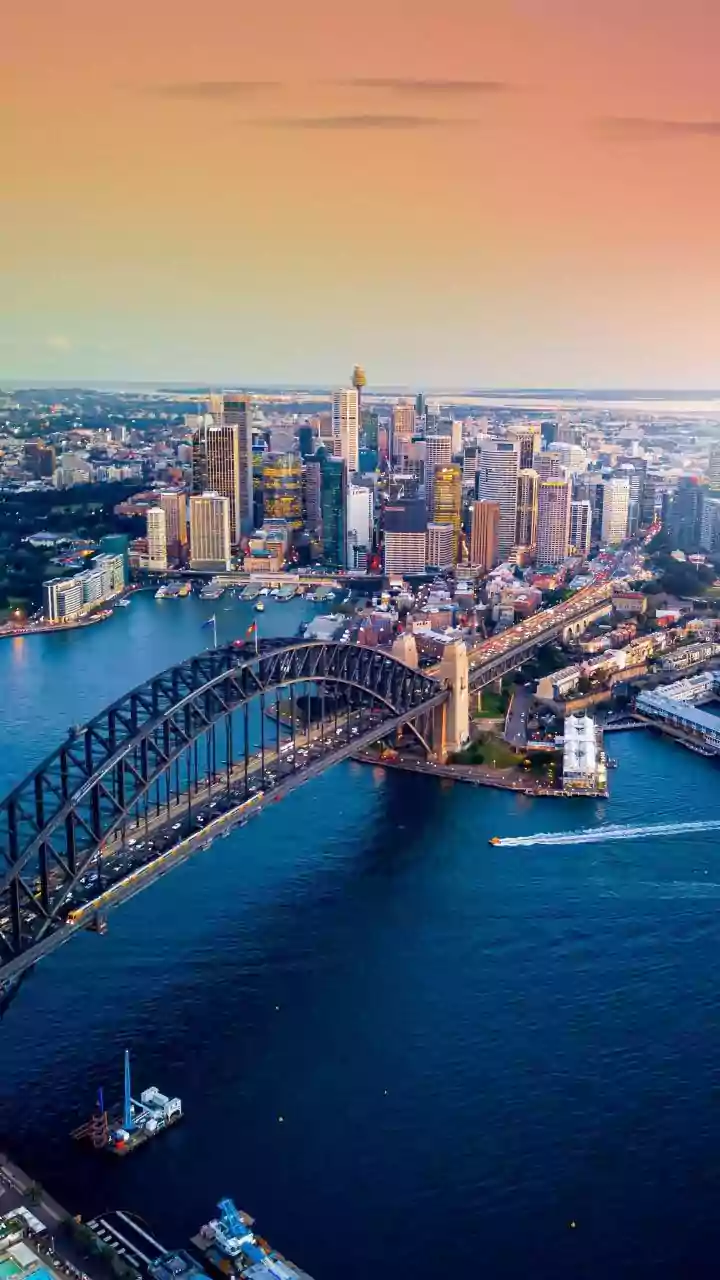
For a view that combines the purple blooms with Sydney's most iconic landmarks, head to Circular Quay and The Rocks. You can start a self-guided walking tour at the Royal Botanic Garden, which is home to some of Australia's oldest jacaranda specimens, some dating back to the 1850s. From there, wander towards Circular Quay, where you can frame the vibrant trees against the backdrop of the Sydney Opera House and Harbour Bridge. The historic cobblestone streets of The Rocks offer a charming contrast to the soft purple flowers, creating a uniquely Sydney experience that blends natural beauty with urban history.
A Scholarly Setting: The University of Sydney
The University of Sydney's Camperdown campus provides a stunning architectural backdrop for jacaranda viewing. The historic sandstone buildings of the main quadrangle are beautifully complemented by the purple flowers. While a legendary, 88-year-old jacaranda in the quadrangle fell in 2016, a clone was planted in its place to continue the tradition. The campus is dotted with numerous other mature trees, especially along Physics Road, creating a less crowded but equally beautiful alternative to the more famous streetscapes. The university grounds are publicly accessible, making for a lovely and relaxed afternoon walk.
Exploring the Neighbourhoods: Paddington and the Inner West
To see the jacarandas like a local, explore the leafy eastern suburbs and the vibrant Inner West. In Paddington, the area around the Victoria Barracks on Oxford Street is famous for its purple-carpeted lawns under a row of magnificent trees. From there, you can wander into the backstreets of neighbouring Woollahra and Double Bay to find more floral displays. Over in the Inner West, the suburbs of Glebe, Camperdown, and Newtown are also known for their jacaranda-lined streets, offering a more casual, neighbourhood feel to your bloom-spotting adventure.
A Brief History of Sydney's Purple Reign
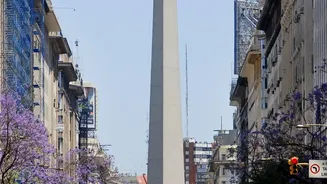
While they feel like an integral part of Sydney's identity, jacaranda trees are not native to Australia. The Jacaranda mimosifolia is originally from South America, including Brazil and Argentina. The trees were introduced to Australia in the 19th century and became a popular choice for beautification programs by local councils from the 1920s onwards. One charming, though unconfirmed, story suggests that a Sydney maternity hospital used to give jacaranda seedlings to new mothers to plant, helping spread the trees throughout the suburbs.