


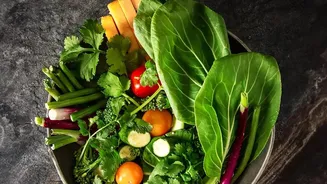


The Dangers of Using Soap and Detergent
Produce like fruits and vegetables are porous, meaning they can absorb substances from their surface. When you use soap or detergent, their chemical residues can seep into the vegetable itself. Rinsing might not be enough to remove them completely. The
Food Safety and Standards Authority of India (FSSAI) explicitly advises against using soap, disinfectants, or cleaning wipes on fresh produce. Ingesting these residues can lead to gastrointestinal issues like nausea, vomiting, diarrhea, and abdominal pain. Over time, this can irritate the lining of your digestive system and disrupt the healthy bacteria in your gut.
Why Monsoon Vegetables Need Extra Care
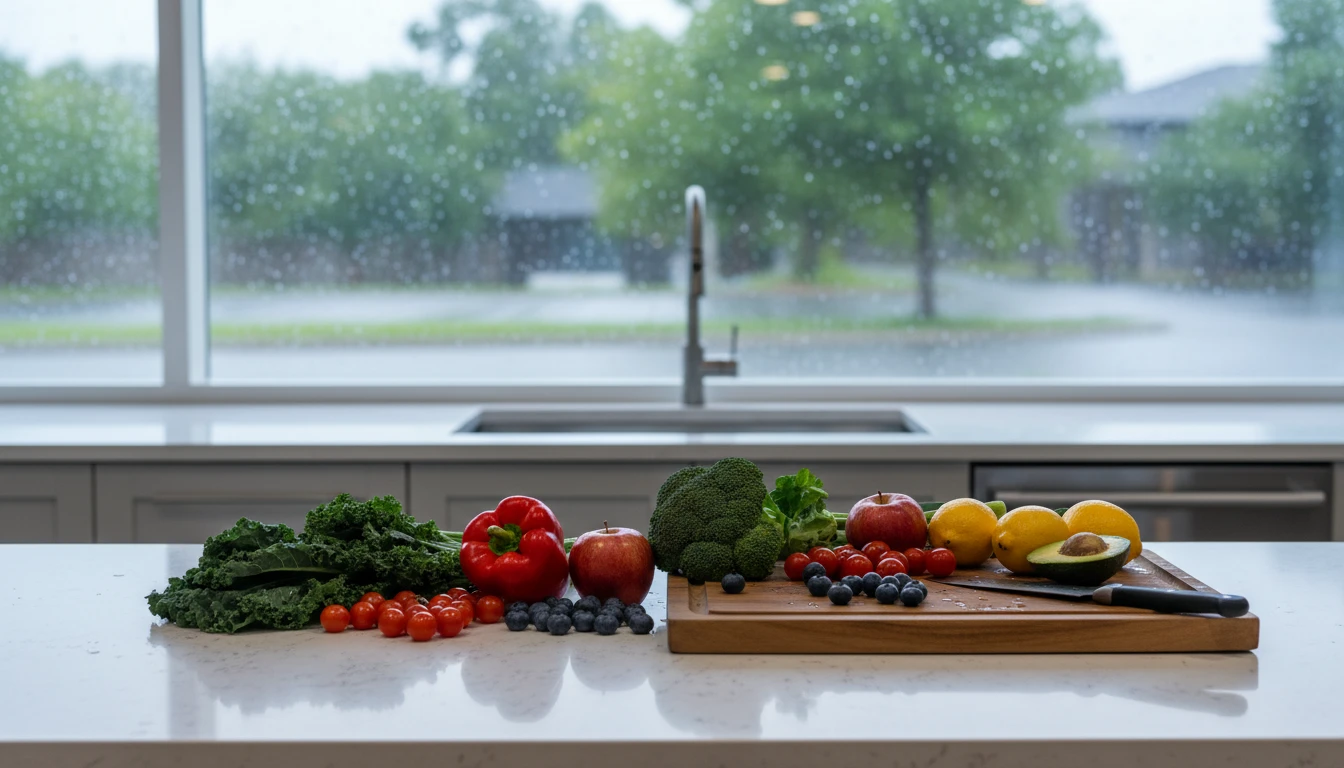
The monsoon season creates a perfect environment for microbial growth. The high humidity and dampness mean that vegetables are more prone to contamination from bacteria, fungi, and soil-borne parasites. They often arrive in the market caked with mud and may have been exposed to stagnant water. This is also a time when the use of pesticides can be higher to protect crops from pests that thrive in the wet conditions. These factors make thorough and, most importantly, safe washing practices an essential part of your kitchen routine to prevent foodborne illnesses.
The Safest and Most Effective Method: Water
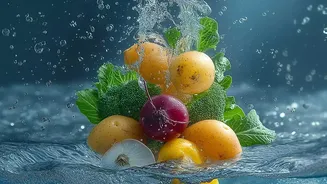
According to food safety experts, including the FSSAI and the US FDA, the best way to clean most vegetables is surprisingly simple: plain, running water. Research has shown that rinsing produce under clean, running water can remove up to 98% of bacteria from the surface. For firm vegetables like potatoes, carrots, cucumbers, and gourds, use a clean vegetable brush to scrub the surface under running water. This helps dislodge stubborn dirt and residues from the skin. For leafy greens, separate the leaves and rinse them individually or swish them in a large bowl of cool water before a final rinse.
Natural Alternatives for a Deeper Clean
If you want to take an extra step, especially for produce known to have more residue, you can use simple kitchen ingredients. A popular method is to soak vegetables in a solution of vinegar and water (typically one part vinegar to three parts water) for about 5-10 minutes before rinsing thoroughly. The acidic nature of vinegar can help kill bacteria. Another effective method involves soaking produce in a bowl of water with a tablespoon of salt or baking soda for about 10 minutes. This can help loosen dirt and reduce surface pesticide residues. Always remember to rinse the vegetables well with fresh water after any soak to remove the taste of the cleaning agent.
Tips for Handling and Storage
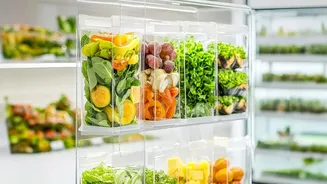
Proper handling doesn't stop at washing. Always wash your hands with soap and water before and after handling produce. Use separate cutting boards and utensils for vegetables and raw meat to avoid cross-contamination. After washing your vegetables, dry them with a clean cloth or paper towel, as this can help remove any remaining microorganisms. Store perishable vegetables in a clean refrigerator set at 40°F or below to keep them fresh and slow the growth of bacteria.