




More Than Just a Tourist Attraction
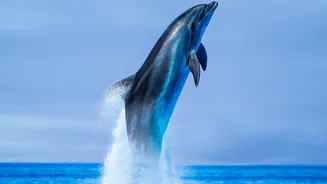
The shimmering blue waters of the Indian coastline are not just a backdrop for a perfect vacation; they are a thriving habitat for magnificent marine life, including the highly intelligent and social Indian Ocean humpback dolphin. It’s no surprise that
dolphin-watching tours have become a popular activity in places like Goa and Odisha. For many, it's a chance to witness these playful creatures in their natural element. Yet, this surge in popularity carries a dual responsibility. While it offers a unique connection to nature, poorly managed tourism can inadvertently harm the very animals it celebrates. The constant hum of boat engines, aggressive chasing, and overcrowding can cause stress, disrupt feeding, and alter natural behaviours.
Understanding the Pressures They Face
On an ethical tour, the experience shifts from passive viewing to active learning. A responsible guide does more than just point out a fin in the water; they offer insights into the dolphins' world. You might learn why the boat's engine is suddenly switched off, a measure taken to reduce underwater noise that can disorient the animals. The guide might explain that keeping a respectful distance of at least 50 metres isn't about limiting your view, but about allowing the dolphins to hunt, socialise, and care for their young without interference. These small moments of explanation reframe the entire trip. You begin to understand the subtle pressures on these creatures, from the threat of entanglement in fishing nets to the impact of plastic pollution on their environment, without a single alarmist lecture. The conservation message is delivered not through fear, but through fostering respect and understanding.
What an Ethical Dolphin Tour Looks Like
So, how can you ensure your trip is a force for good? It starts with choosing the right operator. A responsible tour prioritises the welfare of the dolphins above all else. Key practices include maintaining slow speeds in wildlife zones, never feeding or attempting to touch the animals, and avoiding circling or chasing the pods. In Goa, for instance, some operators collaborate with conservation organisations like Terra Conscious, training local boatmen in these international best practices. These trained guides often provide a short presentation before the trip, setting realistic expectations and explaining the 'why' behind their rules. This educational component is crucial; it transforms a simple boat ride into a lesson in marine ecology. Choosing such operators not only minimises disturbance but also sends a clear economic signal that sustainable tourism is valued.
India’s Unique Dolphin Stories
India's connection with dolphins extends beyond its coastline. In the freshwaters of the Ganga and Brahmaputra rivers lives the endangered Ganges river dolphin, a shy, functionally blind species that is a key indicator of the river's health. Here, community-led ecotourism initiatives are emerging as a crucial conservation tool, providing alternative livelihoods for fishing communities and fostering local pride in protecting these unique mammals. Similarly, Odisha's Chilika Lake is the single largest habitat for the Irrawaddy dolphin in the world. However, the sheer number of tourist boats poses a significant threat if not managed properly. Efforts to regulate boat traffic and educate operators are vital to ensuring the survival of this isolated population, demonstrating the delicate balance between livelihood and conservation.
From Tourist to Quiet Advocate
Ultimately, the greatest power of a responsible dolphin trip lies in its ability to inspire. Seeing a dolphin thrive in its natural habitat is an experience that stays with you long after you’ve returned to shore. It turns abstract conservation issues into a personal connection. This emotional link is what motivates change. You leave not with a sense of dread about the state of our oceans, but with a newfound appreciation and a desire to protect what you have witnessed. You might become more conscious of your plastic use or share your experience with others, amplifying the message of respect for marine life. The tour becomes a gentle, yet profound, call to action, proving that travel can broaden our horizons and deepen our commitment to the planet.