

A Celestial Photobomb
On August 3, 2026, NASA’s Astronomy Picture of the Day showcased a spectacular cosmic coincidence: a brilliant meteor streaking through the frame during a long exposure of the Great Lacerta Nebula. Captured from the clear, dark skies above Nevada, the image
shows a fleeting, bright line cutting across a faint, reddish cloud of interstellar gas. While the nebula is a permanent fixture of deep space, the meteor was a transient visitor, a tiny pebble vaporizing in Earth’s atmosphere. Yet, it’s this brief flash of light that offers a masterclass in celestial chemistry and physics, demonstrating how we read the secrets encoded in these fiery displays.
The Meteor's Chemical Fingerprint
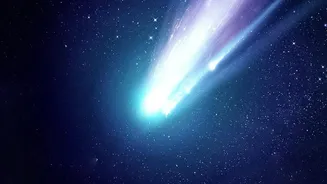
For decades, astronomers have used color as a primary tool to understand what meteors are made of. Just like a flame test in a chemistry lab, the intense heat of atmospheric entry causes different elements within the meteoroid to burn with distinct colours. Think of it as a celestial fireworks show with a helpful ingredient list. A flash of orange-yellow often points to the presence of sodium, while a yellow glow can indicate iron. Green and blue-green hues are typically associated with magnesium or nickel, and a violet or purple tinge suggests the meteoroid is rich in calcium. This method allows scientists to get a quick chemical analysis of the cosmic dust left behind by comets and asteroids.
The Atmosphere Fights Back
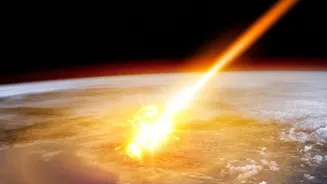
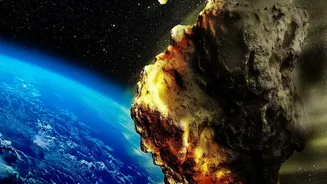
But the meteoroid itself is only half of the story. The light we see isn't just from the rock burning up; it's also from the air around it getting superheated. A meteor enters our atmosphere at such extreme speeds that it creates immense friction, heating a column of air to thousands of degrees. Earth's atmosphere is primarily composed of nitrogen and oxygen, and when these gases are heated so intensely, they also begin to glow. This atmospheric glow typically produces a reddish colour. So, when you see a shooting star, you're witnessing a duet of light: one part from the vaporizing elements of the space rock and another from the glowing air it's passing through.
A More Complete Checklist
This dual source of light makes interpretation more complex. Rather than a new discovery, the August 3rd image highlights what is now a more complete scientific understanding. The key factor in determining which colour source dominates is often the meteor's velocity. In very fast meteors, the colours from the vaporizing minerals tend to outshine the atmospheric glow. For slower-moving meteors, the reddish hue from the heated nitrogen and oxygen in the air can become more prominent. Scientists, therefore, don't just look at the colour, but also consider the meteor's speed and altitude to distinguish what is being revealed about the object itself versus its interaction with our planet.
Look Up With New Eyes
This more nuanced understanding of meteor colours transforms how we watch a meteor shower. It’s not just a passive light show; it’s an active physics experiment happening dozens of miles above our heads. The NASA image serves as the perfect poster child for this complex interaction. It captures a moment where both a visitor from the solar system and our own planet’s atmosphere collaborate to create a spectacle. Conveniently, one of the year's best celestial events, the Perseid meteor shower, is set to peak in mid-August. The 2026 Perseids are especially promising as the peak coincides with a new moon, promising dark skies for optimal viewing.