





A Tale of Two Landscapes
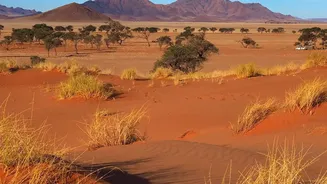
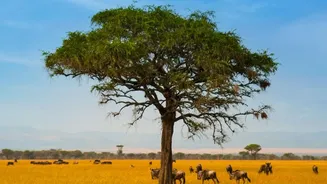
The most striking difference between Savute's seasons is the visual transformation of the landscape itself. The dry season, which typically runs from May to October, presents a classic, raw safari backdrop. The sun bakes the earth, the grasses turn to pale
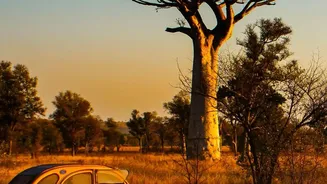
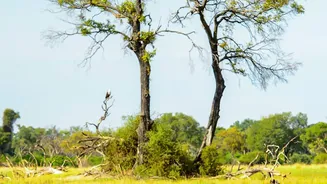
straw, and the air is thick with dust kicked up by moving herds. Vegetation becomes sparse, creating vast, open plains where visibility is excellent. This is a world of harsh beauty, defined by skeletal trees along the famously unpredictable Savuti Channel and the shimmering heat haze on the horizon. Come November, the first rains begin to fall, and the change is nothing short of miraculous. The parched grasslands of the Mababe Depression and the Savuti Marsh are reborn, erupting in a carpet of lush, green vegetation. The air clears, the dust settles, and the entire region feels awash with life and abundance. This 'green season', lasting until about April, transforms Savute into a verdant wetland, a stark contrast to the arid scenes of just a few weeks prior.
The Great Gathering of the Dry Season
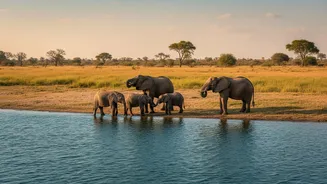
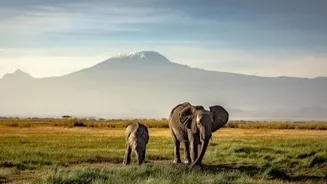
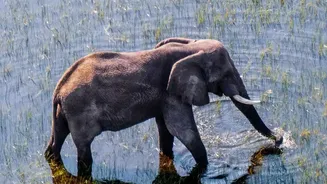
For many wildlife enthusiasts, the dry season is considered the prime time for game viewing. As seasonal pans and puddles evaporate across the landscape, life in Savute contracts around the few remaining permanent water sources, such as artificial waterholes and the lingering pools of the Savuti Channel. This concentration of wildlife makes for phenomenal viewing opportunities. Huge herds of elephants and buffalo congregate at the water's edge, often creating a patient hierarchy as they wait their turn to drink. With the bush thinned out, predators like lions, leopards, and hyenas have a clearer line of sight, and they often lie in wait near these crucial water sources, leading to dramatic and intense wildlife interactions. It is during this tense, dry period that Savute's lions have historically been known for their audacious behavior, including hunting elephants.
The Green Season's Bounty and Births
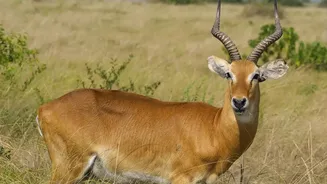
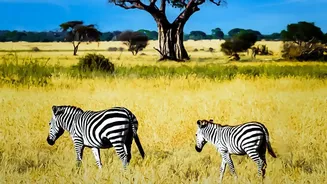
While the dry season offers concentrated viewing, the wet season brings a different kind of spectacle. The rains trigger the famous zebra migration, where thousands of animals move south from the Linyanti region to feast on the newly sprouted grasses of the Savuti Marsh and Mababe Depression. This influx of plains game creates a moving feast for the resident predators. The abundance of food and water also makes it the primary birthing season for many antelope species, who drop their young when the landscape offers maximum cover and nutrition. This explosion of new life adds another layer of drama to the predator-prey dynamic. Furthermore, the green season is a paradise for birdwatchers. Migratory species flock to the newly filled marshlands, adding vibrant color and sound to the scenery. From soaring eagles to massive flocks of quelea, the diversity of birdlife is at its peak.
A Different Kind of Safari
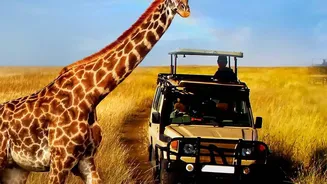
Ultimately, the 'best' time to visit Savute depends entirely on the experience you seek. The dry season, from roughly June to October, offers classic, high-visibility game drives in a raw and dusty environment where animal interactions are frequent and intense around waterholes. The weather is generally clear and sunny, though nights and early mornings can be surprisingly cold. The green season, from November to April, provides a completely different aesthetic. It's a time for stunning photography against lush backdrops, witnessing the spectacle of migration and new birth, and enjoying world-class birding. While the thicker vegetation can make spotting game slightly more challenging, the sheer sense of life and renewal is an experience in itself. This season is proof that even in the wild, a little rain can change everything.