





A True Nutritional Powerhouse
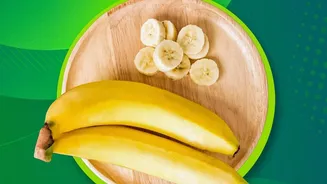
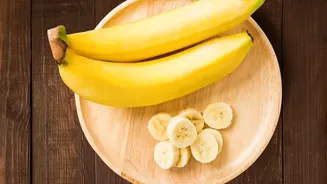
There's a good reason why bananas are one of the world's most popular fruits. A single medium banana provides a wealth of essential nutrients for around 105 calories. They are an excellent source of potassium, which is vital for heart health and blood
pressure regulation. Bananas are also rich in vitamin B6, which supports metabolism and brain development, and offer a decent amount of vitamin C and fiber. This combination of vitamins and minerals makes them a fantastic choice for supporting overall health, from digestion to energy production.
The Solo Banana and Blood Sugar
While bananas are incredibly healthy, their nutritional profile is dominated by carbohydrates. A medium banana contains about 27 grams of carbs, with around 14-15 grams of that being natural sugars. When you eat a banana by itself, your body can digest these sugars relatively quickly. For some individuals, especially those sensitive to sugar fluctuations, this can lead to a rapid rise in blood sugar, which is often followed by an energy crash, leaving you feeling tired and sluggish. This doesn't mean bananas are 'bad,' but it does mean that how you eat them matters.
The Power of Strategic Pairing
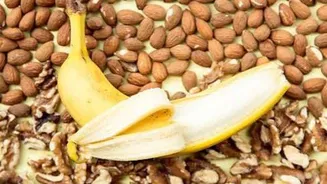
The secret to making bananas a more balanced and sustained source of energy is simple: don't let them go it alone. By pairing a banana with a source of protein or healthy fat, you can significantly slow down the digestion and absorption of its natural sugars. This blunts the sharp spike in blood sugar and leads to a more gradual release of energy. Adding protein and fat also increases satiety, meaning you'll feel fuller for longer and be less likely to reach for another snack soon after. It transforms the banana from a quick-burning fuel into a long-lasting, satisfying part of a meal.
Smarter Snack and Meal Ideas
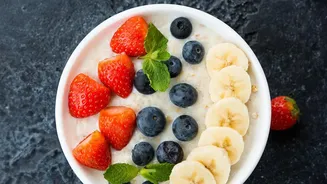
Putting this principle into practice is easy and delicious. Instead of grabbing a plain banana, try one of these balanced combinations: slice it over a bowl of plain Greek yogurt, which is packed with protein. Spread a tablespoon of peanut butter, almond butter, or another nut butter on banana slices. Blend a banana into a smoothie with a scoop of protein powder, a handful of spinach, and some chia seeds for added fiber and healthy fats. Or, for a simple breakfast, top a piece of whole-grain toast with mashed banana and a sprinkle of nuts or seeds.
Finding the Right Ripeness for You
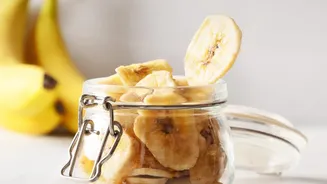
The ripeness of your banana also plays a role in how it affects your body. Greener, less-ripe bananas are higher in resistant starch, which functions like fiber. It has a lower glycemic index, meaning it causes a slower rise in blood sugar, and it's great for gut health. As a banana ripens and turns yellow, its starches convert into sugars, making it sweeter and providing a quicker source of energy. An overripe banana with brown spots has the highest sugar content and is perfect for naturally sweetening baked goods. The best choice depends on your personal health goals and taste preference.
Timing Your Banana for Workouts
For those who are active, the timing of your banana can optimize its benefits. Eaten 30-60 minutes before a workout, a banana can provide readily available carbohydrates for energy. Eaten after a workout, it helps replenish your muscles' depleted glycogen (energy) stores. However, post-workout is where pairing becomes especially crucial. Combining a banana with a source of protein, like in a shake or with yogurt, not only replenishes energy but also provides the building blocks needed for muscle repair and recovery.