





The Green Wave That Started It All
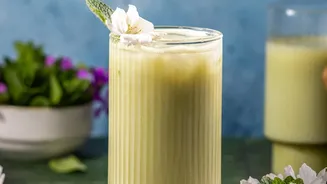
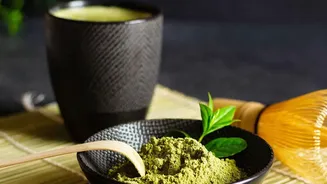
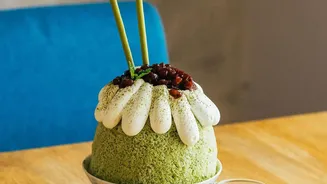
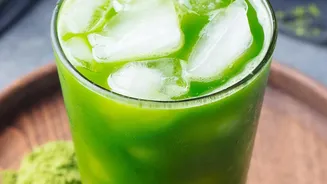
Just a few years ago, matcha was a niche ingredient in India, confined to speciality tea houses or five-star hotel menus. Today, it’s a staple. From Delhi to Bengaluru, cafes serve everything from classic matcha lattes to experimental pairings with coconut
water or yuzu. This shift wasn't accidental. Driven by urban millennials and Gen Z, matcha's popularity grew at nearly double the pace of the broader Indian tea market. Consumers were drawn to its health benefits, its vivid green colour that stood out from the usual browns of coffee, and its perception as a gentler alternative to caffeine. It moved from a niche trend to a subculture, demonstrating how a foreign ingredient could embed itself into the daily routines of a new generation of Indian consumers.
The Camera Eats First
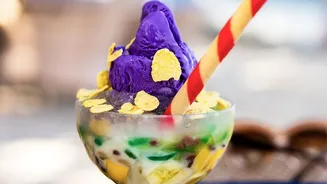
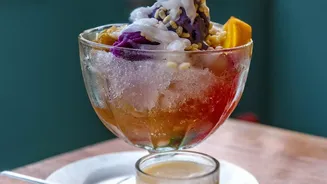
The success of matcha paved the way for the next star: ube. A purple yam from the Philippines, ube offers a mildly sweet, nutty flavour, but its primary asset is its stunning violet colour. In a cafe economy heavily shaped by social media, visual appeal is paramount. Many consumers now discover new foods and restaurants through Instagram, where vibrant, 'Instagrammable' dishes get the most attention. Cafe owners report that ube-based desserts and drinks are shared far more frequently online than their other offerings, generating organic marketing. The journey often starts with curiosity about the colour, which then leads to tasting the flavour. This 'camera-eats-first' phenomenon also explains the enduring popularity of Biscoff, the Belgian caramelised biscuit whose spread creates glossy, shareable layers in cheesecakes and milkshakes.
A Global Palate and Local Curiosity
The constant search for new favourites is fueled by a profound shift in consumer behaviour. Young, urban Indians are more globally connected and adventurous with their food choices than ever before. They actively seek novel experiences and are willing to try unfamiliar flavours, from the Japanese citrus yuzu to floral notes of elderflower and lavender. This openness has encouraged cafe owners to experiment. Major chains like Starbucks have been quick to adopt these trends, introducing ube-based drinks to cater to Gen Z's desire for new tastes. At the same time, there is a growing counter-movement rediscovering indigenous Indian ingredients. Chefs are exploring the potential of local treasures like Meghalaya’s crunchy sohphlang tuber, the fragrant Gondhoraj lime, and the versatile Mahua flower, reinterpreting them for modern menus. This dual interest—in both global trends and regional heritage—creates a dynamic and ever-changing culinary landscape.
The Business of Trends
Behind every trending ingredient is a complex network of entrepreneurial cafe owners, strategic importers, and evolving supply chains. For a flavour to move from a niche interest to a mainstream success, it must be consistently available and commercially viable. The rise of e-commerce and specialised importers made ingredients like Biscoff, once found only in duty-free shops, accessible to a wider audience of home bakers and cafes. Similarly, the demand for ube is creating a new market for powders, purees, and extracts that offer bakeries and cafes a reliable product for scalable use. However, these trends are not without challenges. The short lifespan of viral dishes makes long-term menu planning difficult, and there's a risk of over-relying on visual appeal at the expense of taste. Supply chain issues, such as potential export restrictions on fresh ube from the Philippines, can also pose a threat.