







Meet SOLVE: The New Test Platform
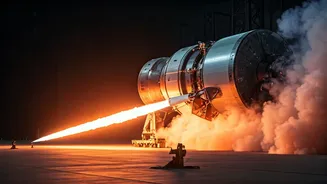
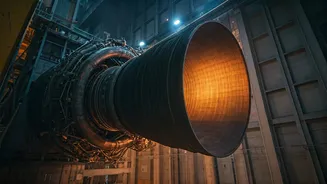
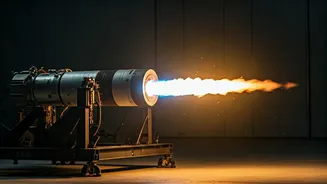
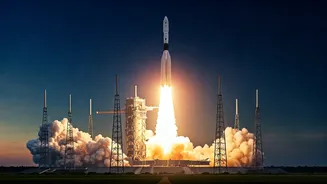
The new hardware is a compact, sub-orbital rocket named SOLVE, which stands for Sub-Orbital Launch Vehicle for Experiments. Its specific job is not to go into orbit, but to provide a realistic, high-altitude testbed for one of the most critical phases
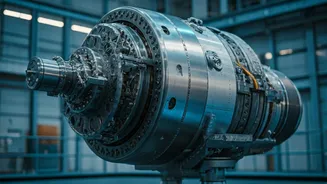
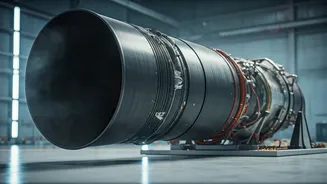
of the Gaganyaan mission: the safe return of the crew module. To create SOLVE, ISRO engineers cleverly modified the existing solid-fuel strap-on motors used in the workhorse Polar Satellite Launch Vehicle (PSLV). Key changes were made to meet the rigorous safety and testing standards, including a slower-burning propellant and a new steering system. This innovation gives ISRO a cost-effective and flexible way to repeatedly test recovery systems without needing a full-scale orbital launch for every trial.
Simulating the Final Frontier: How Tests Will Work
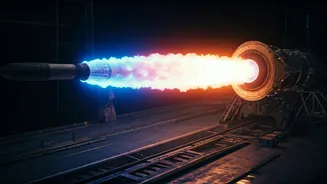
The SOLVE vehicle is engineered to carry a replica of the Gaganyaan crew module to an altitude of between 10 and 17 kilometres. Once it reaches the target height, it will release the module, simulating its re-entry into the atmosphere. This is where the main event begins. A complex, pre-choreographed sequence of 10 different parachutes will deploy to systematically slow the module's descent. This includes smaller pilot and drogue parachutes to provide initial stabilisation, followed by the massive main parachutes that ensure a gentle splashdown in the sea. These tests will validate the entire deceleration system, which is paramount for astronaut safety. The recent successful ground test of SOLVE's solid motor at the Satish Dhawan Space Centre in Sriharikota confirmed that its performance meets the precise requirements for these demanding test flights.
The High-Stakes Splashdown
Bringing astronauts back to Earth is a multi-stage process, and the ocean recovery is a critical final step. For years, ISRO and the Indian Navy have been conducting joint trials to perfect the procedures for retrieving the crew module from the sea. Using a mock-up that simulates the module's exact mass and shape, teams have rehearsed the entire sequence off the coast of Visakhapatnam. These operations involve a specialised 'well-deck' ship, which can flood its lower deck to allow the floating capsule to be gently towed inside. This method is considered one of the safest and most comfortable for the crew, who would have just endured the physical stresses of space travel and re-entry. The teams practice attaching recovery buoys, towing the module, and positioning it securely on the ship's deck, refining their Standard Operating Procedures (SOPs) for both normal and emergency situations.
A Crucial Milestone for India's Space Dream
The development of a dedicated test vehicle like SOLVE and the extensive recovery trials are not just technical exercises; they represent the maturation of the entire Gaganyaan program. The mission plan involves sending a crew of three astronauts into an orbit of 400 kilometres for a three-day mission before bringing them back safely to Earth. Before that happens, every single system, especially those related to safety and recovery, must be proven to be reliable. These successful tests build confidence and provide invaluable data, paving the way for the next phases, which include uncrewed flight demonstrations. The ultimate goal is to ensure that when Indian astronauts finally lift off, every measure has been taken to guarantee they can complete their mission and return home safely. This recent progress signals that ISRO is methodically and diligently turning that ambitious goal into a reality.