
Go Pandal Hopping
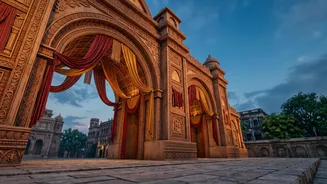
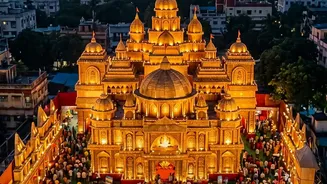
The heart of Durga Puja is 'pandal hopping'. These temporary, themed structures house the idols of Goddess Durga and are erected across the city by local communities. The experience is a study in contrasts. North Kolkata pandals, like the one at Bagbazar
Sarbojanin, often retain a traditional, heritage feel with classic 'ekchala' idols under a single frame. In contrast, South Kolkata is known for its spectacular, large-scale contemporary installations with ambitious themes, drawing massive crowds to pandals like Ekdalia Evergreen and Suruchi Sangha. To avoid getting overwhelmed, the best strategy is to pick one zone—North, Central, or South—for each evening and explore it on foot, as many roads are closed to traffic. The Kolkata Metro, which runs on an extended schedule during the festival, is the most efficient way to travel between zones.
Visit the Artisans of Kumartuli
To truly appreciate the artistry of the festival, a visit to Kumartuli is essential. Located in North Kolkata, this historic potters' quarter is where most of the breathtaking clay idols are born. For months leading up to the Puja, its narrow, labyrinthine lanes are abuzz with activity as skilled artisans meticulously craft the idols from straw, bamboo frames, and clay sourced from the river. Walking through the workshops, you can witness the entire creative process, from the initial structuring to the final, delicate painting of the eyes in a ritual known as 'Chokkhu Daan'. While the area is busiest just before the festival, a visit at any stage offers a profound look at the generational craftsmanship that forms the soul of the celebration.
Indulge in a Street Food Marathon
Durga Puja is as much a culinary festival as it is a religious one, and Kolkata's streets turn into a food lover's paradise. Pandal hopping is incomplete without sampling the city's legendary street food. Must-try items include phuchka (Kolkata's version of pani puri), kathi rolls (parathas with spiced fillings), and Kolkata-style chowmein sizzling in street-side woks. For a more substantial bite, look for fish fry, kobiraji cutlets, or Mughlai paratha. Beyond the stalls, don't miss the opportunity to try 'bhog'—a traditional community meal, usually featuring khichuri, which is distributed for free at many pandals. And no Bengali celebration is complete without sweets; make sure to sample mishti doi, sandesh, and rosogolla.
Immerse Yourself in the Culture
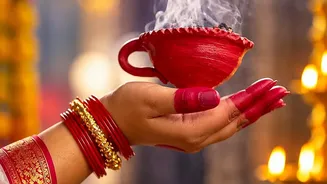
Beyond the visual spectacle of pandals and idols, Durga Puja is an immersive cultural experience. The air is filled with the distinctive, rhythmic beats of the 'dhak', a traditional drum that is synonymous with the festival's soundscape. Many evenings feature cultural programs with music and dance. A particularly captivating sight is the 'Dhunuchi Naach', a ritualised dance performed with earthen incense burners filled with burning coconut husks, often taking place on the evenings of Ashtami and Navami. Visitors are also swept up in the fashion of the festival, with many locals donning new traditional attire. To fully embrace the spirit, just wander the illuminated streets after dark and soak in the infectious energy.
Witness the Grandeur of Bisarjan
The festival culminates on Vijaya Dashami with 'Bisarjan', the immersion of the Durga idols in the river. This final day is a vibrant, emotional spectacle. Processions from pandals across the city, filled with people dancing and chanting 'Asche bochor abar hobe' (It will happen again next year), make their way to the ghats of the Hooghly River, such as Babughat. Before the immersion, married women participate in 'Sindoor Khela', smearing vermilion on each other, a ritual that symbolises wishes for a happy married life. Watching the beautifully crafted idols being ceremoniously immersed in the water is a poignant and unforgettable farewell, marking the end of the goddess's annual visit to her paternal home.