


Understanding the Classic Tuile
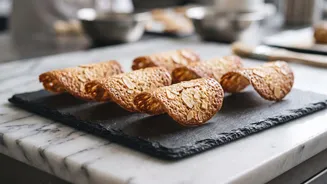
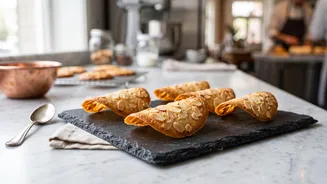
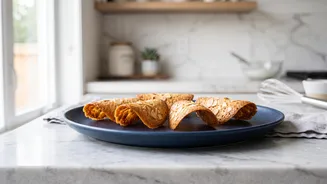
The name 'tuile' is French for 'tile,' a nod to the biscuit’s classic curved shape that resembles the terracotta roof tiles of Provence. At its core, a tuile is a simple batter made from just a few key ingredients: egg whites, sugar, flour, and melted
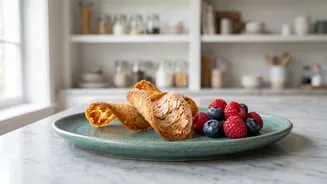
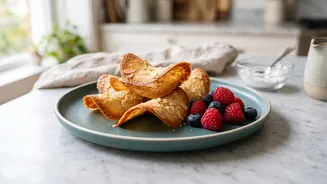
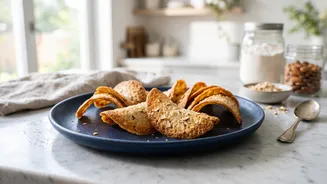
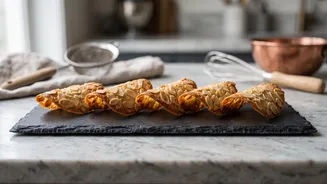
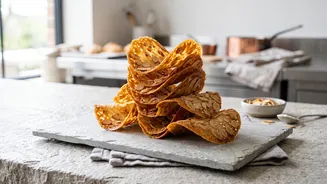
butter. The magic happens in the baking. The batter is spread incredibly thin on a baking sheet, often so thin you can see the pan through it. As it bakes, it transforms into a lacy, golden wafer. The final, crucial step is to shape the cookie while it's still hot and pliable, traditionally by draping it over a rolling pin to create its signature arch.
The Foundation: Mastering the Batter
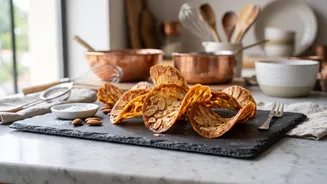
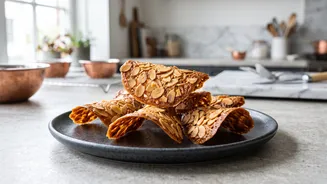
Before you can innovate, it’s essential to perfect the base. The classic tuile batter is a delicate balance. The process often begins by whisking egg whites and sugar until lightly foamy, but not stiff like a meringue. Flour is gently stirred in, followed by cooled, melted butter and, of course, thinly sliced almonds. Some recipes call for resting the batter in the refrigerator, which allows the flour to fully hydrate and results in an even more delicate, crisp snap. When spreading the batter, less is more. Small spoonfuls spread into translucent circles will yield the most professional, wafer-thin results.
A World of Flavour: Infusions and Spices
Once you're comfortable with the classic almond and vanilla profile, the door opens to countless flavour experiments. Citrus is a natural starting point; adding finely grated lemon, orange, or lime zest to the batter infuses the cookies with a bright, aromatic fragrance that pairs beautifully with the nutty base. For a warmer, more exotic touch, consider spices like cardamom, cinnamon, or ginger. Orange blossom water or a few drops of almond extract can also be added to heighten the floral and nutty notes. For a savoury twist, which works wonderfully for garnishing soups or salads, you can incorporate herbs like thyme or finely grated Parmesan cheese.
Exploring New Nuts and Textures
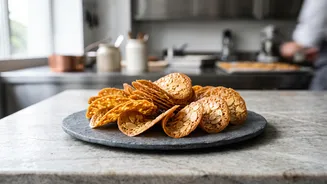
While almonds are traditional, they are by no means the only option. Finely chopped pistachios, hazelnuts, or even pecans can be substituted for a different flavour profile. For added texture, consider sprinkling the unbaked tuiles with sesame seeds, poppy seeds, or shredded coconut. Another popular variation involves chocolate. You can either add a tablespoon of unsweetened cocoa powder to the batter to create rich, dark chocolate tuiles, or you can dip the finished, cooled biscuits in melted dark, milk, or white chocolate. These additions transform the simple cookie into a more decadent treat.
Beyond the Curve: Creative Shapes and Uses
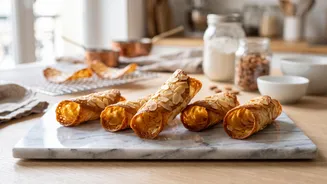
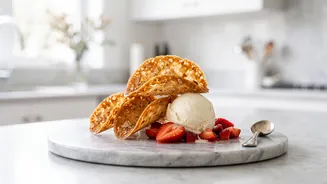
The tuile's pliable nature when warm is its greatest asset. While the rolling pin curve is classic, you can also create entirely new forms. Press a warm tuile into a muffin tin to form a small, edible cup or bowl, perfect for holding a scoop of sorbet, mousse, or fresh berries. Roll the warm wafer around the handle of a wooden spoon to create elegant 'cigar' shapes that can be filled with cream. You can also simply break the cooled, flat tuiles into artistic shards to use as a textural garnish on top of panna cotta, puddings, or ice cream. These delicate shapes instantly elevate the presentation of any dessert.