





The Protein Perspective
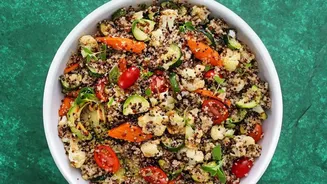
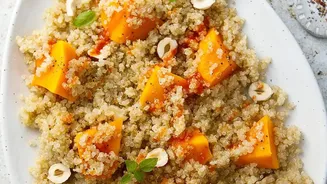
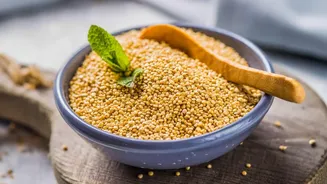
Protein is a major battleground. Quinoa is famous for being a 'complete protein', meaning it contains all nine essential amino acids the body cannot produce on its own. Per 100g, uncooked quinoa offers a hefty 14-16g of protein. Ragi, or finger millet,
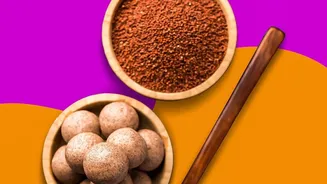
provides a more modest 7-10g of protein and is not a complete protein on its own, as it's lower in the amino acid lysine. However, this is a classic example of a nutritional trade-off. Ragi is traditionally eaten with dal or curd in India, and this combination creates a complete amino acid profile, much like quinoa. So, while quinoa wins on standalone protein content, ragi’s protein value is easily completed within a typical Indian meal.
The Calcium Champion
When it comes to bone health, ragi is the undisputed champion. It is one of the richest plant-based sources of calcium available. A 100g serving of ragi contains approximately 344mg of calcium, which is a significant portion of your daily requirement. In stark contrast, the same amount of quinoa provides only about 47mg of calcium. For anyone concerned with bone density, especially women and growing children, ragi offers a clear and substantial advantage that quinoa cannot match. This makes it an invaluable addition to diets where dairy consumption is low.
Fibre and Digestive Health
Both grains are excellent sources of dietary fibre, which is crucial for good digestion, gut health, and feeling full for longer. However, ragi generally has a slight edge here. Depending on the variety, 100g of ragi can offer around 11g of fibre, while quinoa provides about 7g. This high fibre content makes both grains beneficial for weight management by promoting satiety and preventing overeating. For those specifically looking to maximise their fibre intake for digestive wellness, ragi is a marginally better choice.
Micronutrient Breakdown
Beyond the headlines of protein and calcium, the micronutrient profiles reveal more trade-offs. Ragi is a powerhouse of iron, making it excellent for combating anaemia. Quinoa also contains iron, sometimes in slightly higher amounts depending on the source, along with significant levels of magnesium, which is important for muscle and nerve function. Quinoa also tends to be richer in B vitamins like folate, which is vital during pregnancy. The choice here depends on your specific nutritional needs. If iron and calcium are your priorities, ragi is superior. If you're seeking magnesium, folate, and a broader B-vitamin profile, quinoa has the advantage.
Blood Sugar and Glycemic Index
For individuals managing blood sugar levels, both ragi and quinoa are smart choices as they have a low glycemic index (GI). This means they release sugar into the bloodstream slowly, preventing sharp spikes. Some studies place quinoa's GI around 53, while ragi's can be in a similar range of 54-68, though some sources suggest it can be even lower. Due to its high fibre content, ragi is often highly recommended for diabetic-friendly diets. Ultimately, both are far better alternatives to refined grains like white rice or maida.
Cost, Culture, and Culinary Use
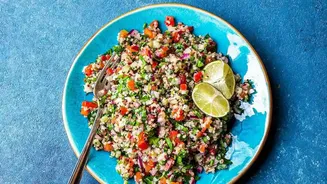
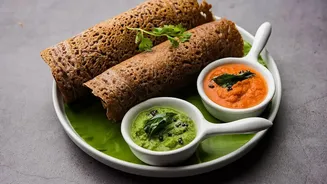
Perhaps the most practical trade-off is cost and accessibility. Ragi is an ancient Indian crop, widely available and significantly more affordable than quinoa, which is largely imported. This makes ragi a more sustainable and budget-friendly choice for daily consumption in Indian households. Culinarily, ragi is deeply integrated into Indian cuisine, used for everything from rotis and dosas to porridges (kanji) and laddus. Quinoa, with its slightly nutty flavour and fluffy texture, works well in salads and as a rice substitute but can be unfamiliar to the traditional Indian palate.