





The Problem with a Soggy Pile
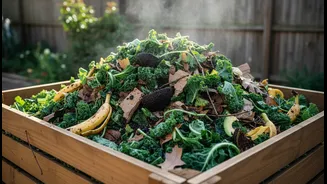
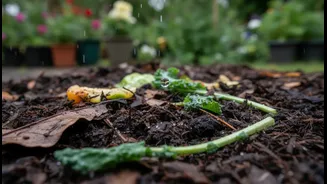
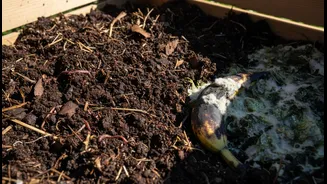
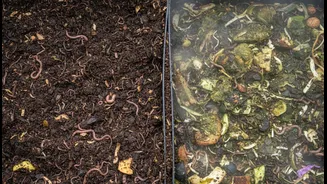
A healthy compost pile should be moist like a wrung-out sponge, not soaking wet. When a pile becomes waterlogged, it signals an imbalance. Excess moisture fills the air pockets that beneficial aerobic microbes need to breathe and work their magic. Instead,
anaerobic bacteria take over. These are the microbes that thrive without oxygen, and their digestive process is slow and smelly. The result is often a putrid, ammonia-like odour and a slimy texture, signs that your compost is decomposing inefficiently and potentially losing valuable nitrogen. This often happens when there's an overabundance of wet, nitrogen-rich materials, like kitchen scraps and fresh grass clippings.
The Science of Balance: Greens and Browns
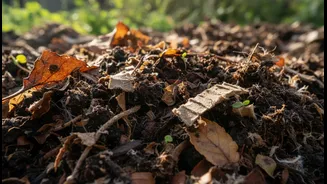
Successful composting is all about chemistry, specifically the ratio of carbon to nitrogen (C:N). Think of it in simple terms: 'greens' and 'browns'. 'Greens' are nitrogen-rich materials like vegetable scraps, coffee grounds, and fresh yard trimmings. They provide the protein and nutrients for microbes to multiply. 'Browns' are carbon-rich materials like dried leaves, straw, and, you guessed it, cardboard. Carbon is the energy source, the fuel that powers the entire decomposition process. The ideal compost pile has a C:N ratio of about 25:1 to 30:1. A wet, smelly pile is a clear sign that you have too many 'greens' and not enough 'browns' to absorb excess moisture and provide carbon.
Why Cardboard Is the Perfect Brown Material
Cardboard is an exceptional 'brown' material for several reasons. First, it is extremely high in carbon, with a C:N ratio that can be over 500:1. This makes it incredibly effective at balancing out nitrogen-heavy 'greens'. Second, its fibrous structure is fantastic at absorbing excess moisture, acting like a sponge to fix a soggy pile. Third, when shredded or torn, it creates air pockets that improve aeration, preventing the pile from becoming compacted and allowing those essential aerobic microbes to thrive. Finally, it's a resource that most households have in abundance, allowing you to divert waste from landfills while creating something valuable for your garden.
How to Prepare Cardboard for Your Compost
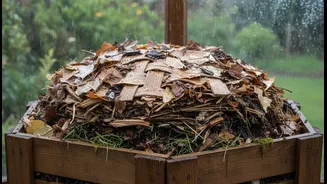
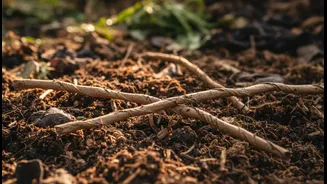
You can't just toss a whole box into your bin and expect good results. Preparation is key to unlocking cardboard's benefits. The most important step is to increase its surface area. Shredding the cardboard is ideal, but tearing it into small, hand-sized pieces works well too. The smaller the pieces, the faster microorganisms can get to work breaking it down. Before you shred, be sure to remove any plastic packing tape, staples, and glossy plastic shipping labels, as these will not decompose. A little bit of ink from standard printing is generally fine, but it's best to avoid heavily dyed or coloured boxes if you want a purely organic final product.
What Types of Cardboard to Use (and Avoid)
Not all cardboard is created equal for composting. The best choices are plain, corrugated cardboard (like from shipping boxes) and flat cardboard like cereal boxes, paper egg cartons, and toilet paper rolls. Even greasy pizza boxes, which are often rejected by recyclers, are perfectly fine for your compost pile. However, you should avoid cardboard that is coated with wax or has a plastic or foil lining. These materials are difficult to break down and can introduce non-biodegradable elements into your finished compost. If a piece of cardboard has a shiny, slick feel, it's best to leave it out.
Adding Cardboard to Your Mix
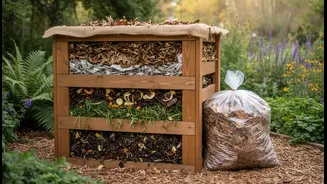
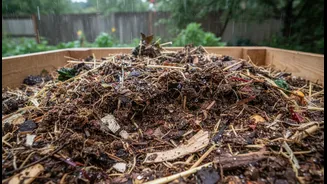
To fix a soggy pile, don't just dump a layer of cardboard on top. The best method is to mix it in thoroughly. Use a pitchfork or garden tool to turn the pile, adding the shredded cardboard as you go. Try to achieve a good distribution throughout the wet materials. A practical rule of thumb for maintaining a healthy compost pile is to add two to three parts 'browns' (by volume) for every one part 'greens'. When you add a bucket of kitchen scraps, follow it up with two or three buckets of shredded cardboard or other dry browns. This layering or mixing approach ensures a consistent balance, prevents future sogginess, and keeps your compost ecosystem healthy and active.