



A Declaration of Intent
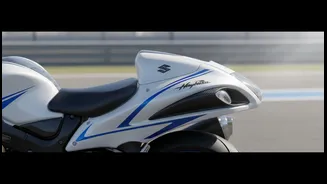
First, what is a solo cowl? It is a removable cover, often made from plastic, fibreglass, or carbon fibre, that fits over the passenger (or pillion) seat. Its function is almost entirely philosophical. By covering the rear seat, it transforms the motorcycle’s
silhouette from a potentially shared experience into a purely solo pursuit. This simple accessory makes a powerful statement, cleaning up the bike’s lines to create a minimalist, streamlined, and aggressive appearance that mimics professional racing machines. It’s a visual cue that this motorcycle is not designed for leisurely trips with a companion; it's built for a rider who values a track-focused aesthetic and the unambiguous message it sends.
Case Study: The Ultimate Sportbike
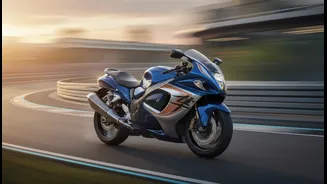
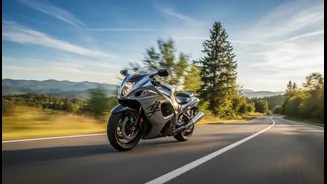
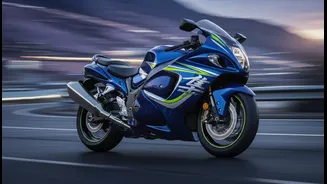
This philosophy is perfectly embodied by the recently announced 2027 Suzuki Hayabusa Special Edition. For decades, the Hayabusa has held the title of motorcycling's 'Ultimate Sportbike', a machine defined by its monstrous power and legendary top speed. In its latest special edition, Suzuki includes a colour-matched solo seat cowl as standard equipment. This isn't just an accessory; it's a core part of the bike's identity. For a motorcycle legendary for its focus on performance, the inclusion of the cowl reinforces its purpose. It tells the world that while a passenger seat exists underneath, the bike's true nature is singular, focused, and uncompromisingly fast.
A Trend Among Titans
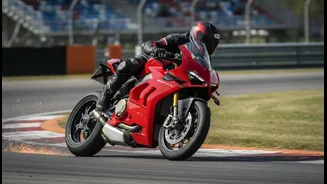
Suzuki is not alone. This trend is common across the upper echelon of performance motorcycling. Brands like Ducati often describe their superbikes with a fitting phrase: “Twin-seater by necessity, single-seater by nature.” High-performance models like the Streetfighter V4 and Panigale V4 frequently feature solo cowls, either as standard on special editions or as a must-have official accessory. Similarly, Triumph’s limited-run, track-focused models like the Street Triple 765 Moto2 Edition are designed around a singular rider experience, where passenger accommodation is an afterthought to chassis balance and aggressive ergonomics. These manufacturers understand their audience: the cowl appeals to the enthusiast who sees their motorcycle as a precision instrument, not a mode of transport.
Form Over Function?
While the primary purpose is aesthetic, some argue there are minor functional benefits. A solo cowl can help manage airflow at the rear of the bike, reducing the slight turbulence created behind the rider at high speeds. It also serves a practical purpose by protecting the pillion seat underneath from sun, rain, and wear. However, these benefits are secondary. No one adds a seat cowl for a measurable performance gain. They add it for what it represents. In a humorous but telling insight from online forums, some riders appreciate that a solo cowl wordlessly communicates that they are not running a taxi service for friends, effectively preventing requests for a ride. It reinforces the solitary nature of the sport riding experience.
The Rider's Choice
Ultimately, the solo seat cowl is more than just a piece of bodywork. It is the physical manifestation of a choice. It represents the decision to prioritise a pure, undiluted riding experience over the practicality of carrying a passenger. It speaks to a focus on aesthetics, the pursuit of a race-replica look, and an alignment with the bike's core engineering purpose. For special editions, it's a final, defining touch that separates an already potent machine from its more conventional siblings, marking it as the sharpest tool in the shed. The cowl signifies that the owner understands and embraces the machine's true character.