






The Root of the Problem
A perfect storm of factors is behind the recent surge in vegetable prices across India. The primary culprit is the erratic monsoon season, which has seen both deficient rainfall in some areas and intense, crop-damaging downpours in others. This has disrupted
harvesting and choked supply chains, leading to fewer vegetables reaching the market. The situation was worsened by intense summer heatwaves that damaged crops and reduced yields. Add rising fuel and transportation costs to the mix, and the result is a sharp increase in prices for everyday essentials, with overall food inflation hitting an 18-month high in June 2026.
The Strategy: Smart Swapping
While you can't control the market, you can control your shopping cart. The key is to become a savvy substituter. This doesn't mean sacrificing nutrition or flavour. It's about being flexible and knowing which vegetables can stand in for their pricier counterparts. The general rule is to look for vegetables that are in season, locally produced, and share a similar texture or flavour profile to what you're replacing. Many staples have surprisingly affordable and delicious alternatives that can help you navigate the price hikes without overhauling your cooking style entirely. Exploring regional cuisines can also offer inspiration for dishes that don't rely on expensive staples.
When Tomatoes Test Your Budget
Tomatoes are a cornerstone of Indian cooking, but their prices can be particularly volatile, sometimes doubling or tripling in a matter of weeks. When tomato prices soar, look to other ingredients for that tangy, sour base. Tamarind is an excellent and widely used substitute in South Indian cooking for creating sourness in curries like sambar. Whisked curd, often combined with a little gram flour, can also form a creamy and tangy gravy base for dishes like Mutter Paneer or Palak Paneer. For a different kind of richness, a paste of roasted eggplant can lend body and a smoky flavour to certain dishes, while a cashew paste can provide a creamy, thick base for Mughlai-style curries.
Beyond the Pricey Onion
Like tomatoes, onions are fundamental to many Indian gravies, providing both flavour and bulk. When onion prices jump, there are several ways to adapt. For flavour, a pinch of asafoetida (hing) can provide a similar savoury, pungent note. To replicate the body and texture that onions provide to a gravy, there are a few creative options. Finely grated cabbage, bottle gourd (lauki), or even radish can be sautéed to form a base that breaks down and thickens the masala. A paste made from cashews or melon seeds can also effectively thicken a gravy, a technique often used in rich, Mughlai-style cooking.
Green Leafy Alternatives
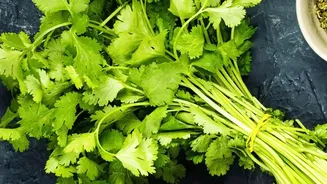
Expensive greens like lettuce or Chinese cabbage can often be swapped with more affordable and readily available local options without losing nutritional value. Spinach (palak) is a versatile and nutrient-dense substitute that works well in salads and sandwiches. Similarly, instead of pricey herbs like parsley, the stems of fresh coriander can offer a comparable flavour profile. It's all about looking at what is locally abundant. During certain seasons, mustard greens (sarson) or fenugreek leaves (methi) can also be cost-effective and nutritious choices for your daily meals.
Rethinking Your Roots and Gourds
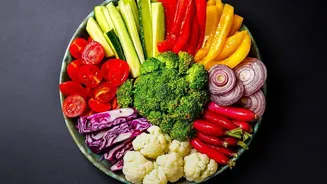
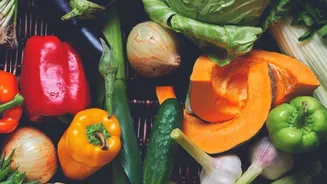
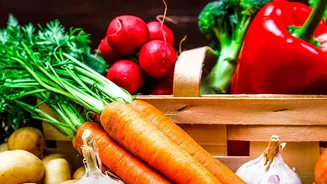
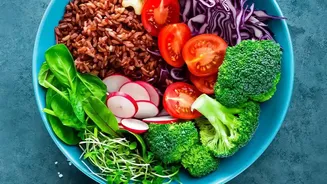
Imported or trendy vegetables like zucchini and broccoli often carry a premium price tag. Fortunately, Indian markets are full of local alternatives that are just as healthy. Bottle gourd (doodhi or lauki) is an excellent substitute for zucchini, especially in curries and stir-fries, as it's low in calories and readily available. Instead of expensive broccoli, locally grown carrots offer a wealth of nutrients and are often more affordable and sustainable. When root vegetables like potatoes see price fluctuations, consider other local options like sweet potatoes or pumpkin, which can be used in similar preparations and offer a different, delicious flavour profile.