

The Foundation: Mastering the Pin Curl
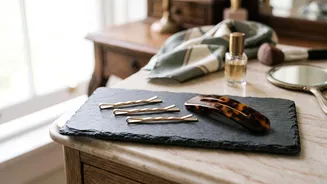
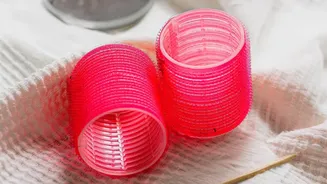
Before diving into specific decades, understanding the pin curl is essential. This no-heat technique was the backbone of vintage hairstyling from the 1930s to the 1950s. The concept is simple: take a small, damp section of hair, roll it from the end up
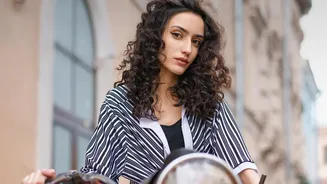
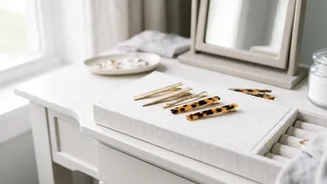
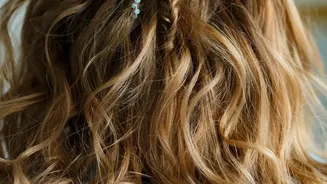
to the scalp, and secure it flat with a clip or bobby pin. For the softest results, let the curls set completely, ideally overnight wrapped in a silk scarf. The direction you roll the curl matters. For a classic pageboy look, roll the ends under; for a flip, roll them up. When you unpin and gently brush them out, the curls transform into uniform waves or bouncy ringlets, depending on the size of the section.
1940s Glamour: Side-Parted Waves and Soft Rolls
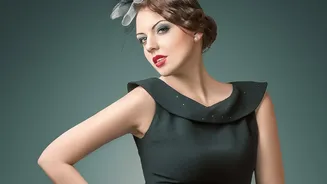
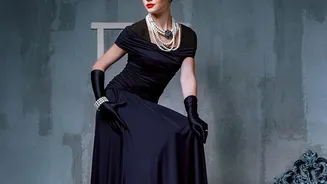
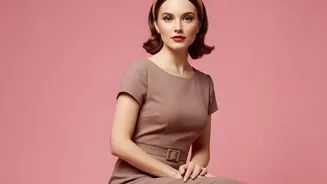
The 1940s were defined by polished, controlled curls that conveyed glamour amidst wartime practicality. One of the easiest ways to channel this era is with a deep side part and soft, brushed-out waves. This look can be achieved with a pin curl set or by using hot rollers or a curling iron. For a more structured '40s look, try a simple front roll. Part your hair to the side, take the front section, and twist it back into a small pompadour or roll that sits just above the ear, securing it with pins. This creates that classic wartime silhouette without requiring a full head of complicated victory rolls. The key was creating a defined shape, whether through carefully placed curls or structured rolls that framed the face.
Hollywood Waves: The Red-Carpet Look at Home
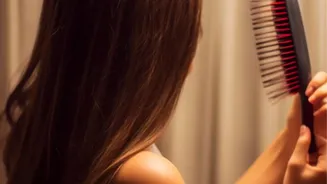
A staple of Old Hollywood, the iconic 'Hollywood wave' is a more uniform and glamorous evolution of the 1940s curl. To achieve this look, it's crucial to curl all sections of your hair in the same direction, usually toward the face. After creating curls with a medium-sized curling iron, the most important step is to let them cool completely. For extra hold, pin each fresh curl in a coil against your head and wait until it's no longer warm to the touch. The magic happens during the brush-out. Use a soft bristle brush to gently comb through the cooled curls. Keep brushing until the individual curls merge into a single, cohesive 'S' wave pattern. A light-hold hairspray will keep the look in place without making it stiff.
1970s Freedom: The Feathered Curl
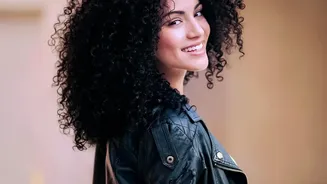
Moving into the 1970s, the structured curls of previous decades gave way to a softer, more liberated style. The most iconic look is the feathered curl, famously worn by Farrah Fawcett. This style relies on layers and volume, with curls directed away from the face. To get the look, use a curling iron or hot rollers to curl the front sections of your hair back and away from your face. Once the curls have set, brush them out vigorously and use your fingers to tease the roots for extra lift. The goal isn't a perfect, uniform wave but rather a soft, wind-swept volume that creates a 'feathered' effect around the face. A round brush and a blow dryer can also be used on layered hair to create that signature outward flip.