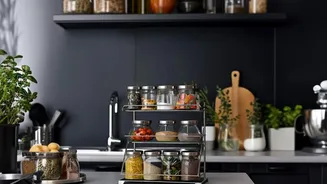









Redefine Your 'Balanced' Pantry
The first step is to abandon the one-size-fits-all image of a perfect pantry. A balanced pantry for a family that loves dal and rice will look very different from one for a person who enjoys quick pasta dishes. Balance doesn't mean having a bit of everything
from every cuisine on earth. It means having the core components for the meals you and your household genuinely enjoy eating on a regular basis. The goal is to open the cupboard and see solutions for dinner, not a collection of culinary challenges. A truly functional pantry should reflect your life, your tastes, and your available cooking time. Anything else is just clutter.
Conduct an Honesty Audit
Before you buy another thing, perform an 'honesty audit'. For one week, pay close attention to what you actually cook and eat. What did you make on Tuesday when you were tired? What was your go-to lunch? What snacks did you reach for? Keep a simple log. At the end of the week, look at your pantry. Compare the ingredients you actually used with what is taking up the most space. You might find that the giant bag of quinoa has been ignored in favour of instant noodles, or that you consistently reach for the same three spices. This isn't about judgment; it's about data collection. This data is the foundation of building a pantry that serves you. It requires you to be honest about your habits, not the habits you wish you had.
Shop for Your Reality
Armed with the insights from your audit, your next trip to the grocery store will be different. Your shopping list should be based on your real-life eating patterns. If you make dal three times a week, then stocking different types of lentils, ghee, and your favourite spices makes sense. If you never, ever get around to baking, then buying a five-kilogram bag of flour is setting yourself up for failure and waste. This is the core principle: shop for the cook you are, not the cook you think you should be. It's perfectly fine if your pantry staples are more about convenience and speed than elaborate, from-scratch cooking. Acknowledging this reality makes mealtime less stressful.
The 'Three-Meal' Rule for New Ingredients
Aspiration isn't all bad; trying new things is part of the joy of cooking. But to avoid the trap of buying ingredients that gather dust, implement the 'three-meal' rule. Before you buy a new or unfamiliar ingredient, you must be able to mentally picture three specific, realistic meals you would use it in. Not just 'a stir-fry' but 'chicken and broccoli stir-fry with this sauce on Wednesday'. This simple mental check prevents impulse buys of things like rosewater or black garlic that sound exciting in the store but have no clear place in your cooking routine. If you can't name three uses, leave it on the shelf for now.
Build a Modular System
Think of your pantry not as a fixed list of items, but as a modular system. Your core inventory, based on your audit, forms the base. These are your workhorses: the rice, pasta, oils, onions, garlic, and basic spices you use constantly. Then you have your 'flavour boosters' — things that can quickly change a meal, like a good bouillon, soy sauce, or a jar of tomato paste. Finally, you have your 'stretch' ingredients, the new things you are trying with the three-meal rule. Organizing your shelves and your mind this way — separating the essentials from the extras — makes it easy to see what you have and what you need, ensuring you can always put a meal together.