

The Unsung Hero of the Pantry
Poha, made from parboiled rice that is flattened and dried, is a marvel of simplicity and nutrition. It’s light on the stomach, easy to digest, and naturally gluten-free. This humble ingredient is a powerhouse of healthy carbohydrates, providing a steady
release of energy to power you through the morning. It's also a good source of iron and B vitamins, making it a genuinely smart start to your day. The production process even introduces beneficial probiotics, which support gut health. Available in thick and thin varieties, the medium or thick flakes are generally best for cooked breakfast dishes as they hold their shape without turning mushy.
Tips for Perfect, Fluffy Poha
The secret to perfectly soft and separate grains of poha lies in the preparation. The cardinal rule is to rinse, not soak. Place the flattened rice in a colander and wash it under running water for just a minute or two until it softens. You can test a flake by pressing it between your thumb and finger; it should break easily. Once rinsed, let it drain and rest in the colander for five to ten minutes. This allows the flakes to absorb just the right amount of moisture to become fluffy. Over-soaking is the main cause of mushy poha. Adding salt and turmeric directly to the wet poha in the colander can also help season it evenly before it even hits the pan.
Zesty and Light: Lemon Poha
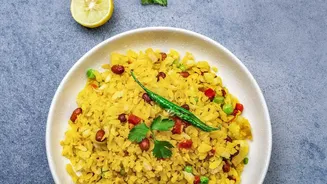
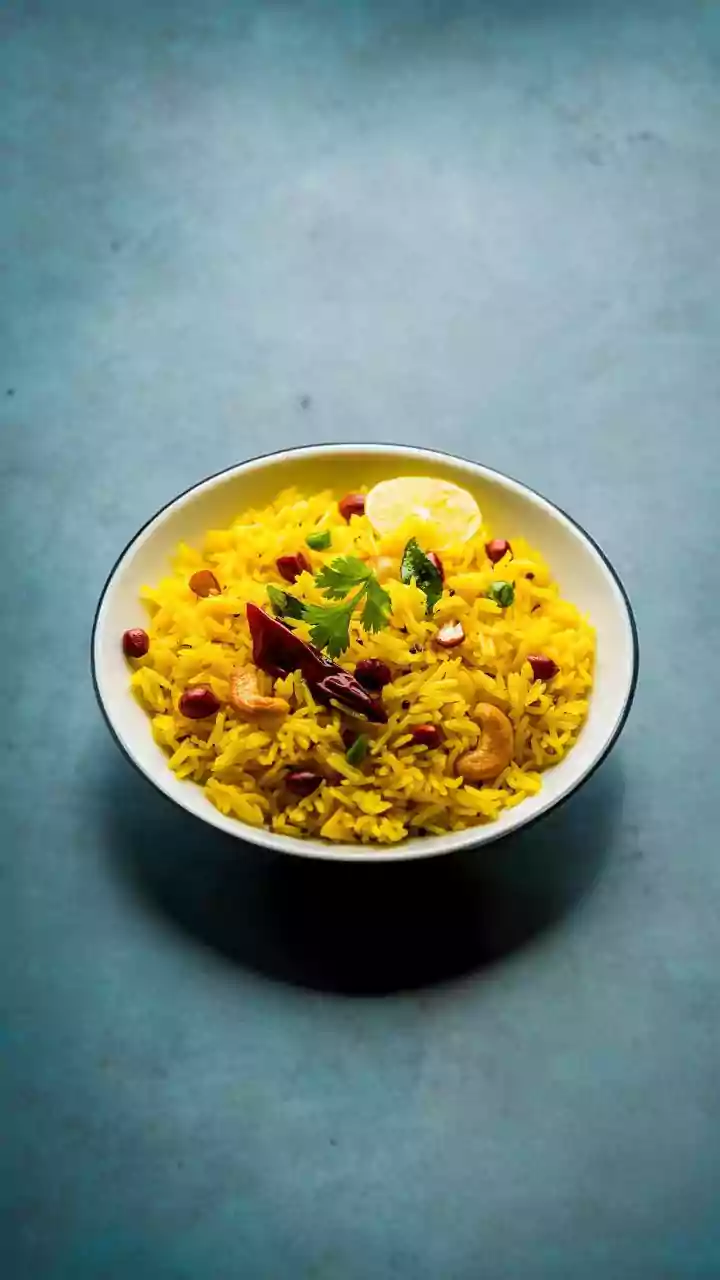
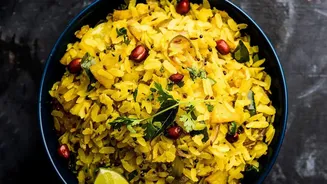
Lemon Poha, a beloved variation, is celebrated for its tangy, refreshing flavour. It's an incredibly quick dish that comes together with minimal ingredients. The process begins with a classic tempering of mustard seeds, curry leaves, and perhaps some chana dal and urad dal for crunch. Many recipes include peanuts or cashews, fried until golden and set aside to be added at the end. Once the tempering is aromatic, the rinsed poha is added to the pan. The key is to turn off the heat before adding freshly squeezed lemon juice; this preserves its bright flavour. A final garnish of fresh coriander leaves completes this simple yet elegant breakfast. The addition of lemon not only adds flavour but can also help improve the absorption of iron from the poha.
Hearty and Wholesome: Vegetable Poha
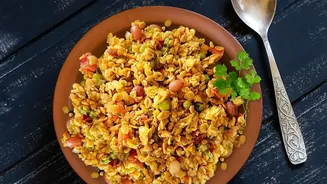
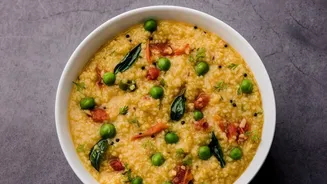
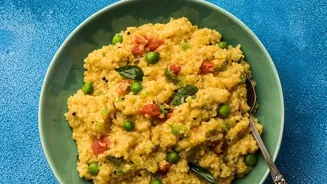
For a more substantial and nutrient-packed meal, Vegetable Poha is the answer. This version elevates the basic dish into a complete meal by incorporating a variety of finely chopped vegetables. Onions are a classic starting point, sautéed until translucent. From there, you can add anything you have on hand: diced potatoes, carrots, green peas, beans, and even bell peppers. The vegetables are typically sautéed with the tempering spices until they are tender. The rinsed poha is then folded in along with turmeric and salt, and cooked gently for a few minutes until everything is heated through. This variation is not only colourful and appealing but also a fantastic way to increase your vegetable intake first thing in the morning.
Beyond the Basics: Endless Customisation
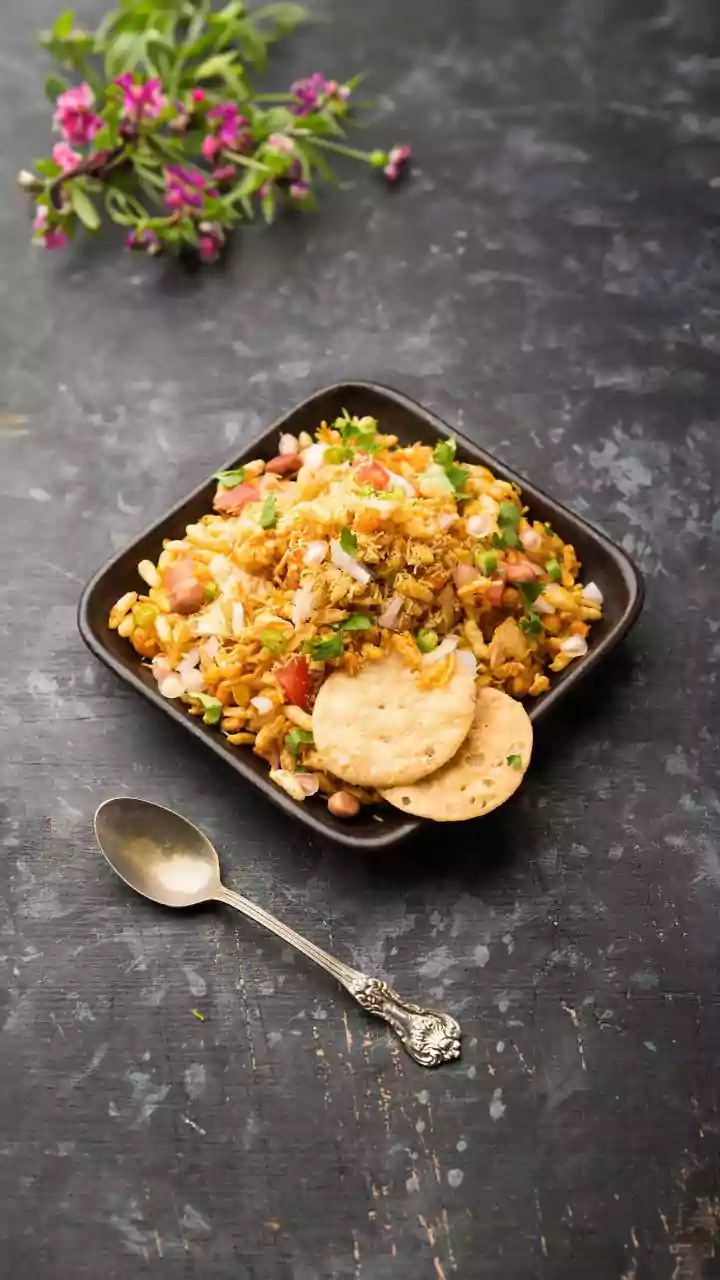
The beauty of poha lies in its adaptability. While Lemon and Vegetable Poha are fantastic starting points, the possibilities are nearly endless and can be adapted to regional tastes. In Maharashtra, Kanda Poha (with onions) and Batata Poha (with potatoes) are staples. The famous Indori Poha is known for its unique sweet and savoury taste, often topped with a special 'jeeravan masala' and crunchy sev. You can add grated coconut for richness, pomegranate seeds for a burst of sweetness, or sprouts to boost the protein content. Don't be afraid to experiment with the spices and garnishes you have in your pantry; poha is the perfect canvas for your culinary creativity.