



An Antidote to ‘Been There, Done That’
Slow travel is the art of experiencing a place, not just seeing it. Instead of rushing between landmarks, it encourages a deeper, more intentional connection with a single region. In South Africa, this translates to swapping the frantic multi-city tour
for a long, meandering drive through the Karoo or spending a week in one game reserve instead of just two nights. It’s a shift from a holiday that leaves you exhausted to one that feels restorative. The focus moves from collecting sights to gathering meaningful moments: the taste of roosterkoek from a roadside farm stall, the vast silence of a semi-desert landscape, or the quiet patience of watching a dung beetle at work. This approach allows travellers to avoid burnout and engage with the country on a more personal, memorable level.
Where the Journey is the Destination
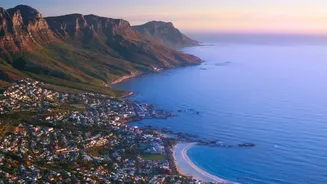
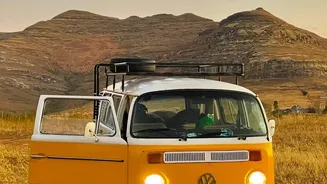
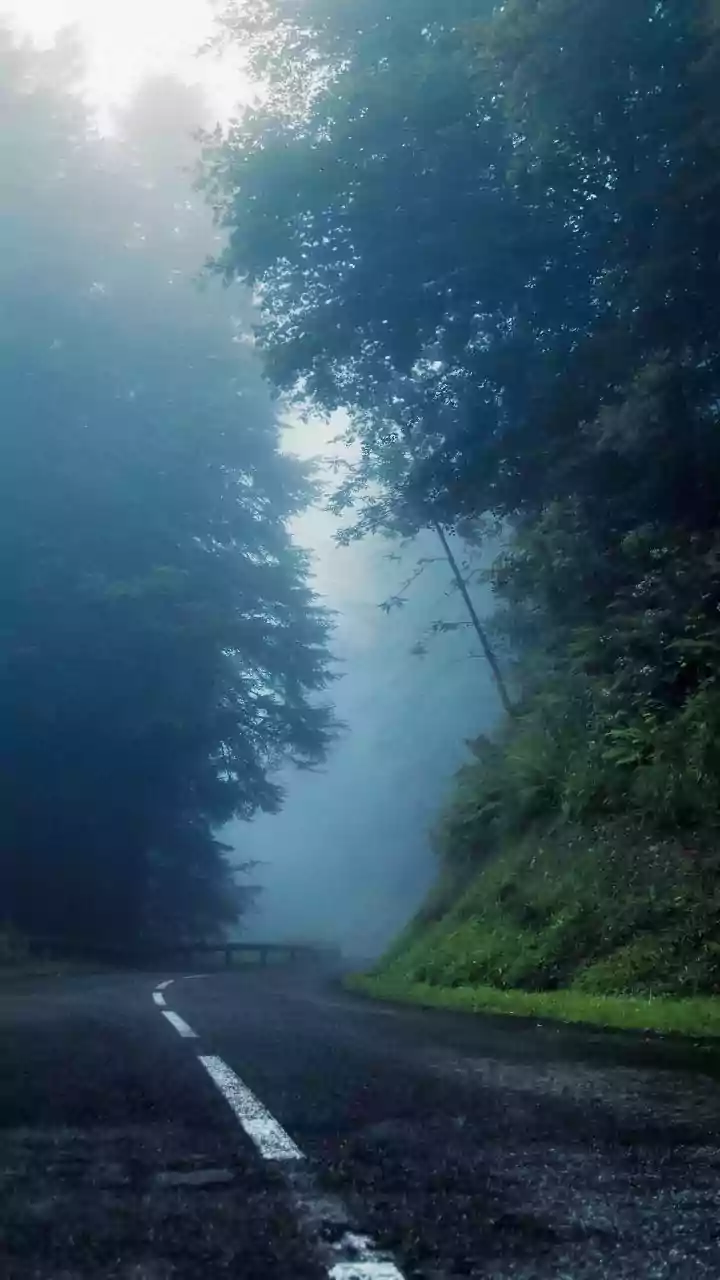
South Africa’s diverse and dramatic landscapes make it a perfect canvas for slow road-tripping. The iconic Garden Route, a 300-kilometer stretch along the coast, is a prime example. While it can be rushed, its true magic unfolds when you allow for spontaneous stops, spending days exploring its lakes, forests, and coastal towns like Wilderness and Knysna. Beyond this popular route, the country offers even quieter paths. Route 62 winds through the Little Karoo, a region of quirky towns, vineyards, and striking mountain passes. For those seeking true immensity and solitude, the vast plains of the Great Karoo offer a chance to explore dirt roads, stay on remote farms, and experience unparalleled stargazing. In the Karoo, the journey itself—marked by dusty roads and endless horizons—becomes the main event.
Deeper Into the Bush
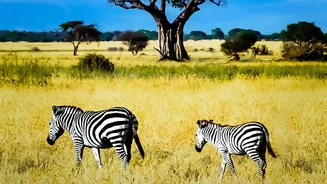
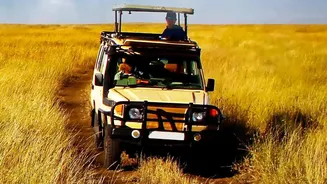
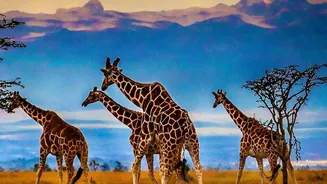
In the context of a safari, slow travel means moving beyond the hunt for the “Big Five.” It’s about immersing yourself in the entire ecosystem. Instead of short, fast-paced game drives, this could involve staying longer in a single lodge or park, like Addo Elephant National Park or one of the private reserves bordering Kruger National Park. This allows for experiences that require more time and patience. Walking safaris reveal the smaller wonders of the bush, from tracking animals to understanding medicinal plants. It’s an opportunity to learn about conservation efforts, perhaps by visiting a rhino sanctuary or an eco-lodge focused on sustainability and habitat restoration. By slowing down, the safari becomes less of a checklist and more of a deep, quiet observation of nature in its own time.
Connecting with People and Place
Ultimately, the slow travel ethos is about connection—to the landscape, the culture, and the people. This means choosing experiences that foster genuine interaction. This could be a farm stay in the Karoo, where you can sit on the porch (stoep) and chat with your hosts, or a visit to a community-run lodge on the Wild Coast. Initiatives in community-based tourism allow visitors to directly support local economies through village tours, guided hikes, or purchasing local crafts. It also includes culinary exploration, from field-to-fork meals that highlight local produce to spending time in the Cape Winelands. This approach transforms travel from a simple transaction into a meaningful exchange, leaving a positive impact on both the visitor and the host community.